
Plants
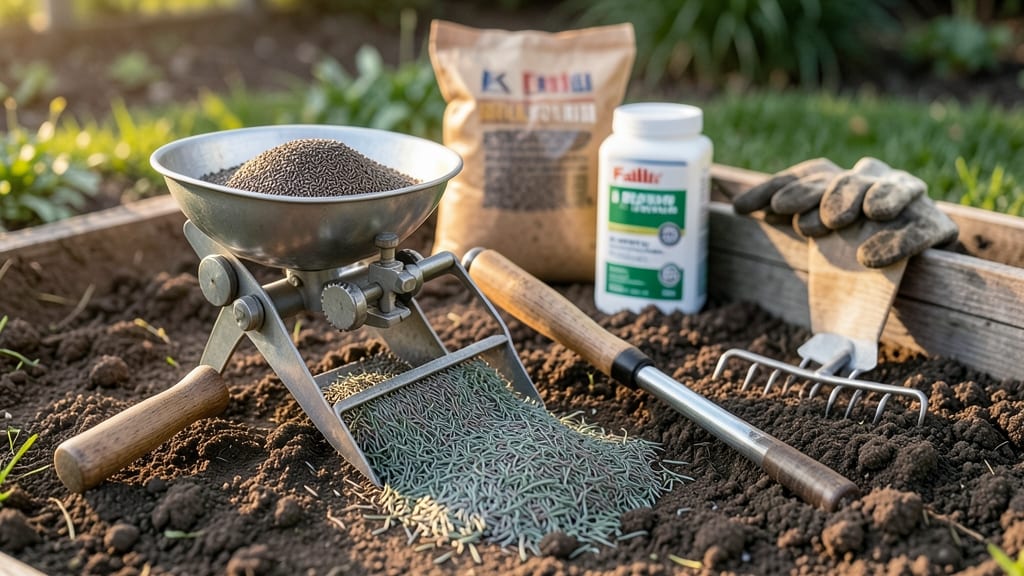
Planting grass seed in the fall at the right time can transform your lawn from a patchy eyesore into a vibrant carpet by next spring—but getting the timing wrong means wasting money and effort.
The key isn’t just picking a date; it’s understanding how your local climate and soil conditions interact with 4-6 weeks before frost to give those seeds the best chance to root deeply before winter hits.
If you’re in USDA Zone 6a (like much of the Midwest), that window typically opens in early September and closes around mid-October. But here’s the catch: cooler temperatures and shorter days actually help grass seeds germinate more consistently than spring planting ever could.
That’s why so many lawn care experts swear by fall as the most efficient time to plant—less competition from weeds and moisture that lasts longer.
You might think all grass seed is the same, but the variety you choose matters just as much as when you plant it. Cool-season grasses like Kentucky bluegrass or fescue thrive in fall’s mild weather, while warm-season types like Bermuda grass need a different approach.
I’ll walk you through selecting the right seed for your region and preparing your soil so your new lawn gets off to a strong, healthy start.
Once you’ve picked your seeds and prepped the ground, the real work begins—watering, fertilizing, and protecting your new grass from frost.
Don’t worry, though; I’ll break down every step, from soil testing to post-planting care, so you can avoid common mistakes and end up with a lawn that’s the envy of the neighborhood. Let’s get started.
The 6-Week fall planting window: exact dates by US region
Fall is the perfect time to plant grass seed because cooler temperatures and increased rainfall help seeds germinate and establish strong roots before winter.
The key is planting 4-6 weeks before your region's first frost—this gives your new grass enough time to grow deep roots while avoiding the heat of summer or the freeze of winter.
Every region in the U.S. has slightly different frost dates, so timing matters. For example, northern states like Minnesota or Maine may need to plant as early as mid-August, while southern states like Texas or Florida can wait until late October.
Let’s break down the exact windows for your area to ensure your lawn thrives.
| Region | First Frost Date | Ideal Planting Window | Soil Temp for Germination |
|---|---|---|---|
| Northern US (Zones 3-5) | Mid-October | Late August to early September | 60-75°F (15-24°C) |
| Midwest (Zones 6-7) | Late October | Early September to mid-October | 65-70°F (18-21°C) |
| Southern US (Zones 8-10) | Mid-November or none | Late September to October | 70-80°F (21-27°C) |
| Pacific Northwest (Zones 7-9) | Late October | Early September to mid-October | 60-70°F (15-21°C) |
To find your exact frost date, check the USDA Plant Hardiness Zone Map or use a local weather service. Aim to plant when daytime temperatures hover around 70-75°F (21-24°C)—this is ideal for seed germination.
If you plant too early, the heat can dry out seeds; too late, and frost will kill new sprouts.
Pro tip: Use a soil thermometer to confirm temperatures. Grass seeds need consistent moisture and warmth to sprout, so avoid planting if your soil is still above 80°F (27°C)—wait for cooler evenings.
In drier climates, like Arizona or Nevada, you may need to water more frequently to keep seeds moist.
For cool-season grasses like Kentucky bluegrass or tall fescue, fall planting is critical—they’ll spend winter dormant but emerge stronger in spring. Warm-season grasses like Bermuda or Zoysia, however, should be planted in late spring or early summer. Always double-check your grass type before scheduling!
Once you’ve picked your window, prepare your lawn by removing debris, loosening soil, and adding compost. This ensures seeds make contact with fertile soil for faster germination. Don’t skip this step—poor soil prep is the #1 reason fall plantings fail.
After planting, keep the soil moist (not soggy) for the first 2-3 weeks. Use a light layer of straw mulch to retain moisture and protect seeds from birds or wind. With the right timing and care, your lawn will be thick and green by next spring!
🌱
The 6-Week fall planting window: exact dates by US region
Fall is the perfect time to plant grass seed because cooler temperatures and increased rainfall create ideal conditions for germination. The key is planting 4-6 weeks before your first frost date, giving seeds time to establish roots before winter dormancy.
Miss this window, and your lawn may struggle to fill in before spring.
Your exact planting dates depend on your USDA hardiness zone and local climate. Northern regions (Zones 3-5) should aim for mid-August to early October, while Southern zones (Zones 6-10) have a slightly later window—late August to mid-November.
Always check your average first frost date (find it via the USDA Plant Hardiness Zone Map) to calculate your personal timeline.
Soil temperature is just as critical as air temperature. Grass seeds germinate best when soil temps range between 60°F and 75°F. In most regions, this happens naturally in September and early October. Use a soil thermometer to confirm—if temps drop below 50°F, germination slows dramatically.
| Region | USDA Zones | Planting Window | Soil Temp | Key Tip |
|---|---|---|---|---|
| Northern (Cold Climates) | 3-5 | Mid-August - Early October | 60-70°F | Use cool-season grasses like Kentucky bluegrass |
| Midwest (Moderate) | 6-7 | Late August - Mid-October | 65-75°F | Avoid planting after October 15 in Zone 6 |
| Southern (Warm Climates) | 8-10 | Late August - Mid-November | 70-80°F | Consider warm-season grasses like Bermuda |
If you're in a transition zone (like Zone 7), pay extra attention to nighttime temperatures. A hard frost can kill newly sprouted grass, so err on the earlier side of the window.
For example, in Atlanta (Zone 7b), aim to finish planting by October 1 to ensure roots establish before winter.
Pro tip: If your local weather forecast predicts unseasonably warm fall (like a 90°F heatwave in October), delay planting until temps drop. Grass seeds can overheat and dry out in hot soil, leading to poor germination. Monitor your local extended forecast 1-2 weeks before your target planting date.
Remember, the earlier you plant in the fall window, the more time your grass has to develop deep roots before winter. A well-rooted lawn will green up faster in spring and outcompete weeds naturally.
Start with soil prep now, and you’ll be ready to sow seeds at the perfect moment.