
Planting
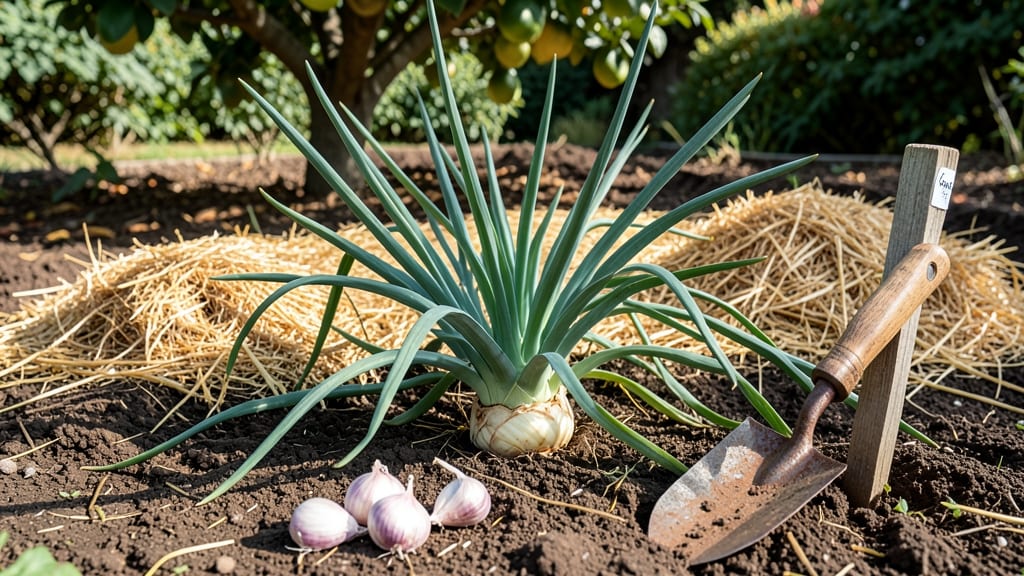
Timing your garlic planting in Zone 8 can make or break your harvest—because those October-November dates aren’t just suggestions, they’re the sweet spot for strong root growth before winter sets in.
Here’s the deal: Plant too early, and your cloves might sprout before the ground freezes, wasting energy. Too late, and the roots won’t establish properly before the cold hits. The 6-week window before your first frost is your golden opportunity to get it right.
I’ll walk you through the exact dates, soil prep tips, and how to adjust if your Zone 8 winters are milder (or harsher) than average. By the end, you’ll know exactly when to stick those 🧄 cloves in for bulbs that’ll make your neighbors jealous.
Ready to turn your garden into a garlic powerhouse? Let’s break it down step by step—no guesswork, just results.
Optimal fall planting dates for garlic in Zone 8
In Zone 8, garlic thrives when planted in fall—specifically between mid-October and November. This timing lets the cloves establish strong roots before winter dormancy, ensuring bigger bulbs next summer.
The key is planting 4-6 weeks before the ground freezes, typically around December 15 in most Zone 8 regions.
Fall-planted garlic benefits from cold winter temperatures (40–50°F), which trigger root development while keeping tops dormant. If you miss this window, spring planting is possible but yields smaller bulbs. For hardneck varieties, aim for early fall; softneck varieties can tolerate slightly later dates.
Here’s how to align your planting with Zone 8’s climate:
| Planting Window | Soil Temp | Zone 8 Timing | Notes |
|---|---|---|---|
| Ideal (Hardneck) | 40–50°F | Mid-October | Best for largest bulbs |
| Acceptable (Softneck) | 45–55°F | Late October–Early November | Smaller bulbs but still viable |
| Last Chance | Above freezing | Early December | Risk of pre-winter sprouting |
To check if your soil is ready, use a soil thermometer—garlic cloves need consistent 40–50°F temps for root growth.
In mild Zone 8 winters, aim for early October; in cooler microclimates, wait until late October. Hardneck varieties (like ‘German White’) need colder winters to form bulbs, while softnecks (like ‘Silverskin’) are more flexible.
Pro tip: Plant individual cloves (not whole bulbs) 2 inches deep, 4–6 inches apart, with the pointed end up. Mulch with 2–3 inches of straw after planting to insulate roots during winter. This protects against freeze-thaw cycles and keeps soil temps stable.
If you’re in a warmer microclimate (e.g., near coastal areas), plant earlier—as early as September—to avoid winter sprouting. Conversely, in higher-elevation Zone 8 areas, delay until November to prevent early frost damage. Always monitor your local frost dates for precision.
For spring planting (a backup option), plant in January–February when soil temps rise above 50°F. However, bulbs will be 30–50% smaller than fall-planted garlic. Spring garlic is best for green onions or scape harvesting rather than full bulbs.
Remember: Soil prep is half the battle. Amend clay-heavy Zone 8 soils with compost or sand to improve drainage. Test your soil’s pH (6.0–7.0) and add lime if needed—garlic hates acidic conditions. A well-prepped bed ensures roots grow deep and strong before winter.
Once planted, water lightly until the ground freezes, then reduce watering in winter. Resume deep watering in February–March as shoots emerge. With the right timing and care, your Zone 8 garlic will reward you with plump, flavorful bulbs by June–July.
Optimal fall planting dates for garlic in Zone 8
In Zone 8, timing your garlic planting is everything—aim for October through November to give roots time to establish before winter dormancy. The key is planting 4-6 weeks before the ground freezes, typically around mid-October to early November in most Zone 8 regions.
This window ensures strong root development while avoiding pre-winter sprouting, which weakens bulbs.
Garlic thrives when planted in cool soil (40–50°F). In Zone 8, where winters are mild but frost can still occur, this temperature range is usually reached by late October.
If your soil warms slower, push planting to early November. Use a soil thermometer to confirm—plant when temps consistently hover around 50°F.
For hardneck vs. softneck varieties, timing matters differently. Hardneck garlic (like Rocambole or Silverskin) needs cold vernalization to form bulbs, so plant by mid-October. Softneck varieties (like Artichoke) are more flexible and can handle slightly later plantings up to early November, but earlier is always better for both types.
| Month | Ideal Planting Window | Soil Temp Goal (°F) | Notes |
|---|---|---|---|
| September | Early September (Zone 8a) | 60–65°F | Only for early Zone 8a areas |
| October | Mid-October to early November | 40–50°F | Best window for most Zone 8 |
| November | Early November (last chance) | 35–45°F | Risk of weak roots if frost comes early |
If you miss the fall window, spring planting is possible but risky in Zone 8. Plant in late January to early February for a smaller harvest, but bulbs won’t mature fully. Spring-planted garlic often produces scapes (flower stalks) instead of large bulbs, making it less ideal for storage.
Pro tip: Mark your calendar for 6 weeks before your average first frost date. In Zone 8, this is usually mid-October, but check your local USDA frost map for precision. Overplanting by 20% accounts for cloves that may rot or fail to sprout.
Once planted, mulch with 4–6 inches of straw or leaves to insulate roots during winter. This protects against freeze-thaw cycles and keeps soil temps stable—critical for Zone 8’s variable winters. Remove mulch in early spring to prevent rot as temps rise.