
Flowers
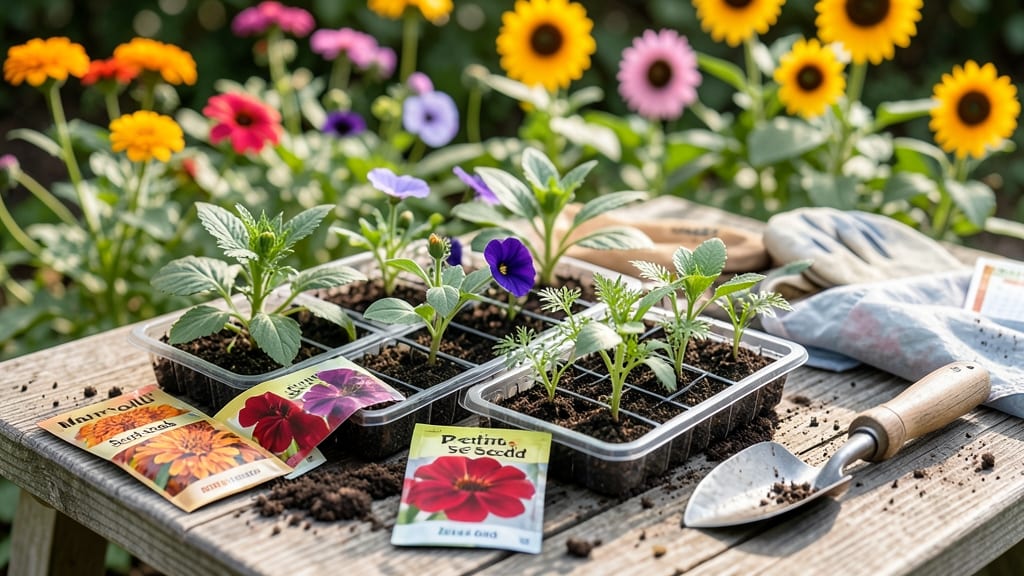
Planting your flower seeds 🌸 at the wrong time in Illinois can mean the difference between a garden bursting with color and a sad, frost-bitten failure.
The key to success lies in understanding your USDA zone—whether you're in chilly Zone 5 or slightly warmer Zone 6—because those 10-degree differences can shift your planting deadlines by weeks.
Most Illinois gardeners know spring is the prime time, but did you realize fall planting can give you a head start on next year's blooms?
With last frosts creeping in around April 15 in northern areas and first frosts arriving by October 15, timing matters more than you might think. Let me show you exactly when to start seeds indoors versus when to sow directly into your garden beds for maximum success.
We'll break down the best month-by-month schedule for your favorite flowers, from frost-hardy snapdragons to heat-loving zinnias. You'll discover how to extend your growing season with simple tricks and avoid common mistakes that waste time and money. Ready to transform your Illinois garden into a year-round floral paradise?
Whether you're a first-time gardener or a seasoned pro, these zone-specific deadlines will help you plan with confidence. Let's get those flower seeds 🌸 in the ground at exactly the right moment for vibrant blooms all season long!
Illinois flower seed planting deadlines by USDA Zone (5a–6b)
Illinois’ USDA Zones 5a–6b create a tight window for planting flower seeds—miss it, and you risk frost damage or stunted growth. The key is knowing your last spring frost and first fall frost dates, which vary by just weeks across the state.
Northern Illinois (Zone 5a) faces earlier frosts, while southern areas (Zone 6b) enjoy a longer growing season.
For example, Zone 5a (e.g., Chicago) typically sees its last frost around April 15, while Zone 6b (e.g., St. Louis) can plant as late as May 1 without risk. Perennials like black-eyed Susans can handle cooler soils, but tender annuals like marigolds need warmer temperatures.
| USDA Zone | Last Spring Frost (Avg.) | First Fall Frost (Avg.) | Annuals: Start Indoors | Annuals: Direct Sow | Perennials: Direct Sow | Cold-Hardy Flowers |
|---|---|---|---|---|---|---|
| 5a (North) | April 15 | October 15 | March 1–15 | May 15–31 | April 1–15 | Snapdragons, Sweet Alyssum |
| 5b (Central) | April 1 | October 30 | March 15–31 | May 1–15 | March 15–April 1 | Lupines, Foxgloves |
| 6a (South) | March 15 | November 1 | February 15–March 1 | April 15–May 1 | February 15–March 15 | Coreopsis, Bee Balm |
| 6b (Southern) | March 1 | November 15 | February 1–15 | April 1–15 | February 1–March 1 | Dahlias, Sunflowers |
📅 Pro Tip: Use row covers to extend your planting window by 2–3 weeks in spring or fall.
Even within zones, microclimates matter. Urban areas like Chicago may experience earlier frosts due to heat islands, while rural spots in Zone 6b can push boundaries with late-summer plantings of cosmos or zinnias.
Always check your local Almanac frost dates or use a soil thermometer (aim for 60°F+ for most annuals).
For fall planting, aim to sow seeds 8–10 weeks before your first frost. Biennials like foxgloves and hollyhocks thrive when planted in late summer for spring blooms. In Zone 5a, this means August 1–15, while Zone 6b
Best flowers to plant by month in Illinois (with frost tolerance ratings)
Illinois’ variable climate demands smart flower choices—planting the wrong type too early or late risks frost damage or stunted growth. My month-by-month guide pairs top-performing flowers with their cold tolerance ratings, so you can maximize blooms from spring to fall. 🌸
Start with March and April when soil thaws but frost lingers. Black-eyed Susans (rating: 4) and snapdragons (rating: 5) thrive in Zone 5a–6b as soon as soil reaches 50°F. For urban gardens, opt for pansies (rating: 5)—they handle light frosts and brighten early seasons. 🌿
May and June unlock the full garden, but timing matters. Cosmos (rating: 3) and zinnias (rating: 2) need soil temps above 60°F—wait until May 15 in northern Illinois to avoid stunted growth. Native Illinois flowers like coneflowers (rating: 4) are low-maintenance and drought-tolerant once established. ☀️
| Month | Top Flowers | Cold Tolerance (1–5) | Planting Tip |
|---|---|---|---|
| March–April | Pansies, Snapdragons, Black-Eyed Susans | 4–5 | Start indoors 6–8 weeks before last frost. |
| May–June | Cosmos, Zinnias, Marigolds | 2–3 | Direct sow after soil warms to 60°F. |
| July–August | Sunflowers, Nasturtiums, Sweet Alyssum | 3–4 | Succession plant every 2 weeks for continuous blooms. |
| September | Asters, Mums, Calendula | 4–5 | Sow 8–10 weeks before first frost for fall color. |
Don’t overlook July and August—this is peak bloom time for heat-loving annuals like sunflowers (rating: 3) and nasturtiums (rating: 4). These thrive in Illinois’ summer heat but need consistent watering (1 inch/week). For container gardens, sweet alyssum (rating: 5) adds sweet fragrance and tolerates partial shade. 🌻
Extend your season into fall with September plantings. Asters (rating: 5) and mums (rating: 4) handle cool nights and provide late-season color. Plant them 8–10 weeks before your first frost—in Zone 5a, that’s early September.
Add calendula (rating: 4) for edible petals and pest resistance. 🌼
Pro tip: Use Illinois-native flowers like purple coneflower or butterfly weed for low-maintenance success. They’re drought-tolerant once established and attract pollinators. Pair them with frost-tolerant annuals (rating: 4–5) to stretch your blooms from spring to frost. ✂️