
Plants
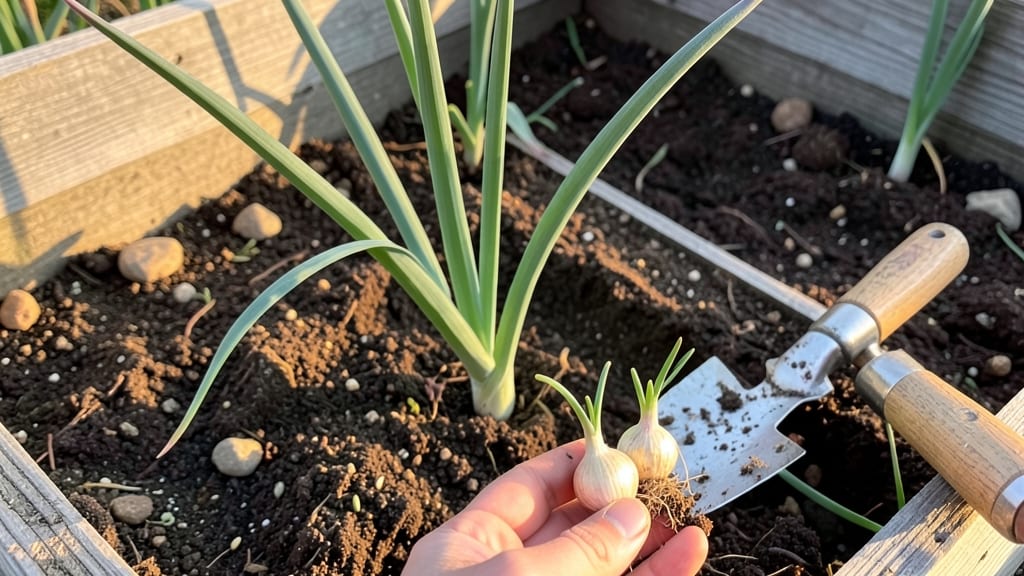
If you’ve ever planted 🧅 onions in Oklahoma only to watch them bolt in summer heat or rot from spring frost, you’re not alone. The state’s shifting microclimates—from the humid Southeast to the arid Panhandle—make timing the difference between a bumper crop and wasted effort.
Most gardeners assume one planting window works statewide, but Oklahoma’s USDA Zones 6b-7b and elevation zones (like the 1,000-foot difference between Tulsa and Lawton) create real challenges.
Whether you’re growing yellows for salsa or sweet onions for salads, getting the timing right means accounting for soil temps, frost dates, and even urban heat islands.
In this guide, I’ll break down the exact planting windows for your specific zone—plus how to adjust for Oklahoma’s unpredictable weather. You’ll learn when to plant for spring vs. fall harvests, which varieties thrive in your area, and how to protect your crop from late freezes or early heatwaves.
No more guessing. Just proven strategies to grow bigger, sweeter onions—no matter where you garden in Oklahoma.
Oklahoma onion planting calendar by elevation zone (with frost date maps)
Oklahoma’s five distinct elevation zones create dramatic differences in frost dates—up to 6 weeks between the Panhandle and southeastern plains. To maximize your onion yield, align planting with your local frost zone and soil temperature thresholds. Here’s how to pinpoint your ideal planting window based on elevation.
Use these elevation-based guidelines to avoid common mistakes like planting too early (risking freeze damage) or too late (missing the 90-day growth window). For example, Tulsa (700ft) has a March 15 last frost, while Altus (1,200ft) waits until April 1. Adjust your schedule accordingly.
🌱
| Elevation Zone | Last Frost Date | Spring Planting Window | Fall Planting Window | Soil Temp Threshold |
|---|---|---|---|---|
| 0–1,000ft (SE OK) | March 1–15 | Late Feb–Early Mar | Aug 15–Sep 15 | 45°F+ |
| 1,000–2,000ft (Central OK) | March 15–30 | Early Mar–Mid-Apr | Aug 1–Sep 10 | 40°F+ |
| 2,000–3,000ft (W OK) | April 1–15 | Mid-Apr–Early May | Jul 20–Aug 10 | 35°F+ |
| 3,000–4,000ft (Panhandle) | April 15–30 | Late Apr–Early Jun | Jul 1–Jul 15 | 30°F+ |
For urban gardeners in Oklahoma City (1,500ft), aim to plant onion sets between March 15–April 1 for spring harvests. Use row covers if late frosts threaten—even a 24-hour freeze can kill young seedlings.
In southeastern Oklahoma, where humidity spikes in summer, prioritize fall planting (August–September) to avoid onion smut fungal risks.
Pro tip: Check Oklahoma Mesonet for real-time soil temps—45°F+ is ideal for seed germination. If your soil runs cooler (common in higher elevations), opt for transplants instead of seeds to shave off 2–3 weeks of waiting.
🌡️
Microclimates matter! A south-facing garden bed warms 5–10°F faster than a north-facing one. If your yard has partial shade, choose short-day varieties like Texas Early White, which mature in 100 days—perfect for Oklahoma’s 180–220 frost-free days.
For container growing, extend your season by 2–4 weeks using black plastic mulch. This raises soil temps by 5–8°F, letting you plant onion seeds as early as February 15 in USDA Zone 7b areas like Norman.
🪴
Remember: Onions need consistent moisture—1 inch per week—but hate soggy soil. In drought-prone western Oklahoma, drip irrigation or soaker hoses are non-negotiable. Test your soil’s drainage before planting: if water pools after 30 minutes, amend with compost or sand.
💧
How to adjust onion planting for Oklahoma’s unpredictable weather patterns
Oklahoma’s unpredictable weather—from late freezes in April to sudden heatwaves in May—can derail even the best-laid onion planting plans. The Panhandle’s arid winds and Southeast’s humid heat create microclimates where standard planting advice fails.
To succeed, I’ve learned to adjust timing based on local frost risks and soil temperature trends, not just calendar dates.
Start by checking the Oklahoma Mesonet for your county’s 50% frost-free probability date. In the Panhandle (Zone 7b), this can be as early as March 1, while Southeast Oklahoma (Zone 7a) may wait until March 15.
Planting 6 weeks before this date gives onions a head start, but if temperatures dip below 40°F, cover seedlings with frost cloth for protection.
For fall-planted onions, Oklahoma’s early autumn heat (90°F+ in September) stresses seedlings. I’ve had success by planting transplants in late August instead of seeds, since they mature faster.
In drought-prone areas like the Western Plains, mulch with straw or wood chips to retain moisture—this can extend the growing season by 2-3 weeks.
If your local weather forecast predicts unseasonable warmth (like the 2021 heatwave in April), delay planting until soil temperatures stabilize above 50°F. Use a soil thermometer—onions won’t germinate well below this threshold.
In humid Southeast Oklahoma, this might mean waiting until mid-April, while drier western regions can plant earlier.
Pro tip: Short-day onion varieties (like Texas Early White) perform best in Oklahoma’s climate. They bolt less under long summer days and mature faster in shorter growing seasons. Pair this with drip irrigation to avoid fungal diseases from overhead watering during Oklahoma’s sudden summer storms.
Finally, keep a backup planting schedule: If your primary crop fails due to weather, have green onion seeds ready for a late-summer harvest. They tolerate heat better and can be sown as late as July for a fall crop. Flexibility is key in Oklahoma’s garden! 🌱