
What this work is made with
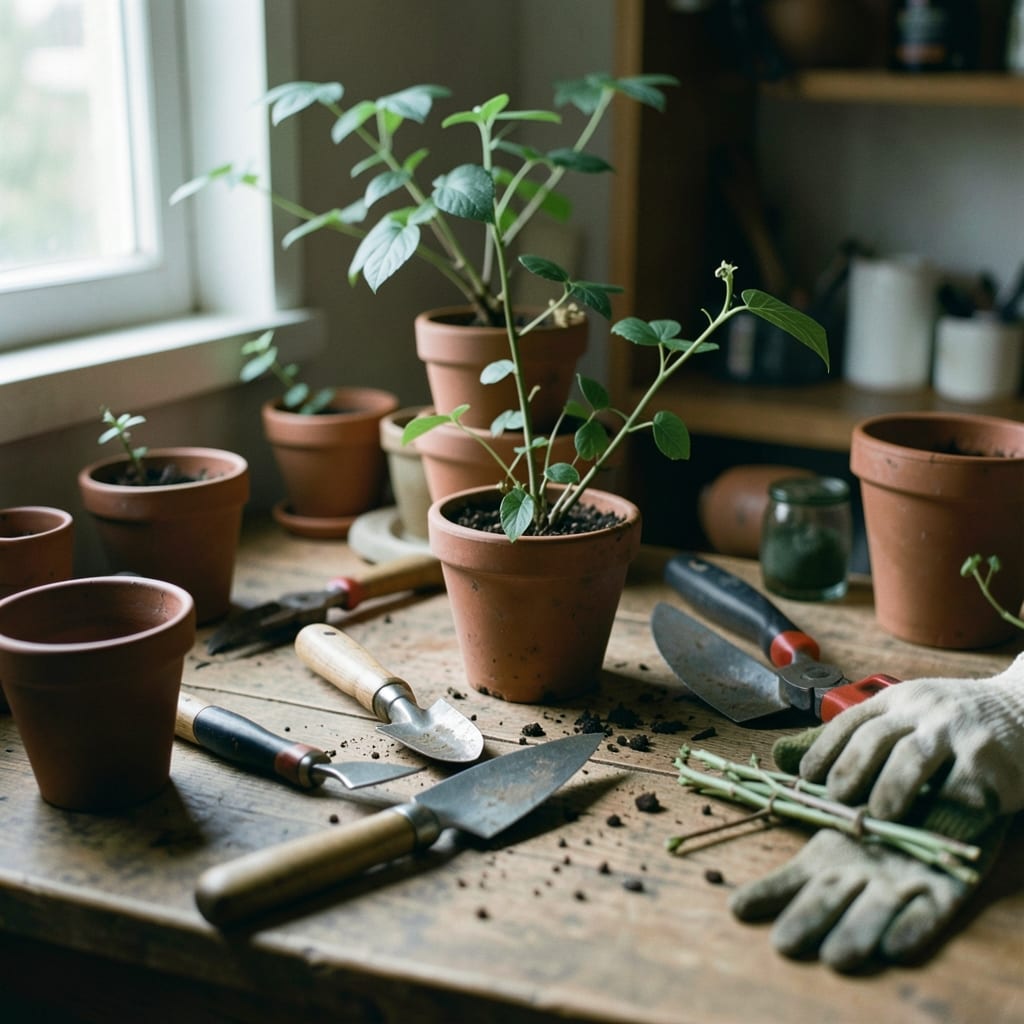
This page is not a story. It is a list of things—the objects that shape what you’ll find here. A gardening site depends on more than words: it lives in the soil, the tools, the hands that shape it, and the plants that grow (or fail) because of them.
We name what makes this work possible, not to impress, but because every object has a lesson. Some are worn out. Some are cheap. All have changed how we grow things here.
The things that do the work
Four things hold this site together: a trowel that has outlasted its handle, a wooden seed-starting tray with cracks too deep to repair, a pair of pruners that snaps shut on its own now, and a stone slab that still carries the stains of the first compost we ever mixed.
None of them were chosen for beauty. All of them have taught us something.
Trowel
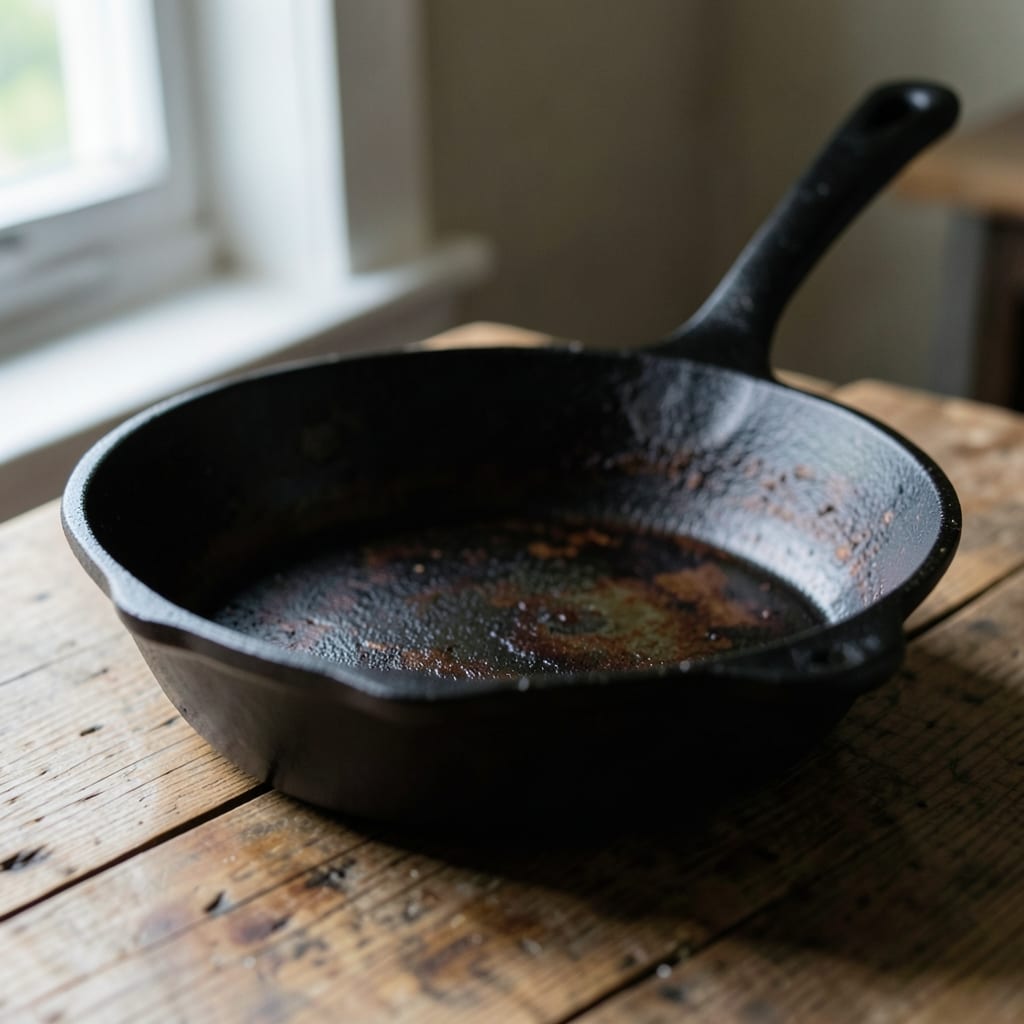
A bent, rusted trowel with a wooden handle split down the middle. It’s been here since the first raised bed, nearly five years ago, and the grip is now held together with twine.
It taught us that tools don’t need to be perfect to work. The split handle makes it harder to dig deep, but it’s the one we reach for when the soil is stubborn. The rusted blade? It’s the only one that ever cuts through those stubborn roots without bending.
Seed-starting tray
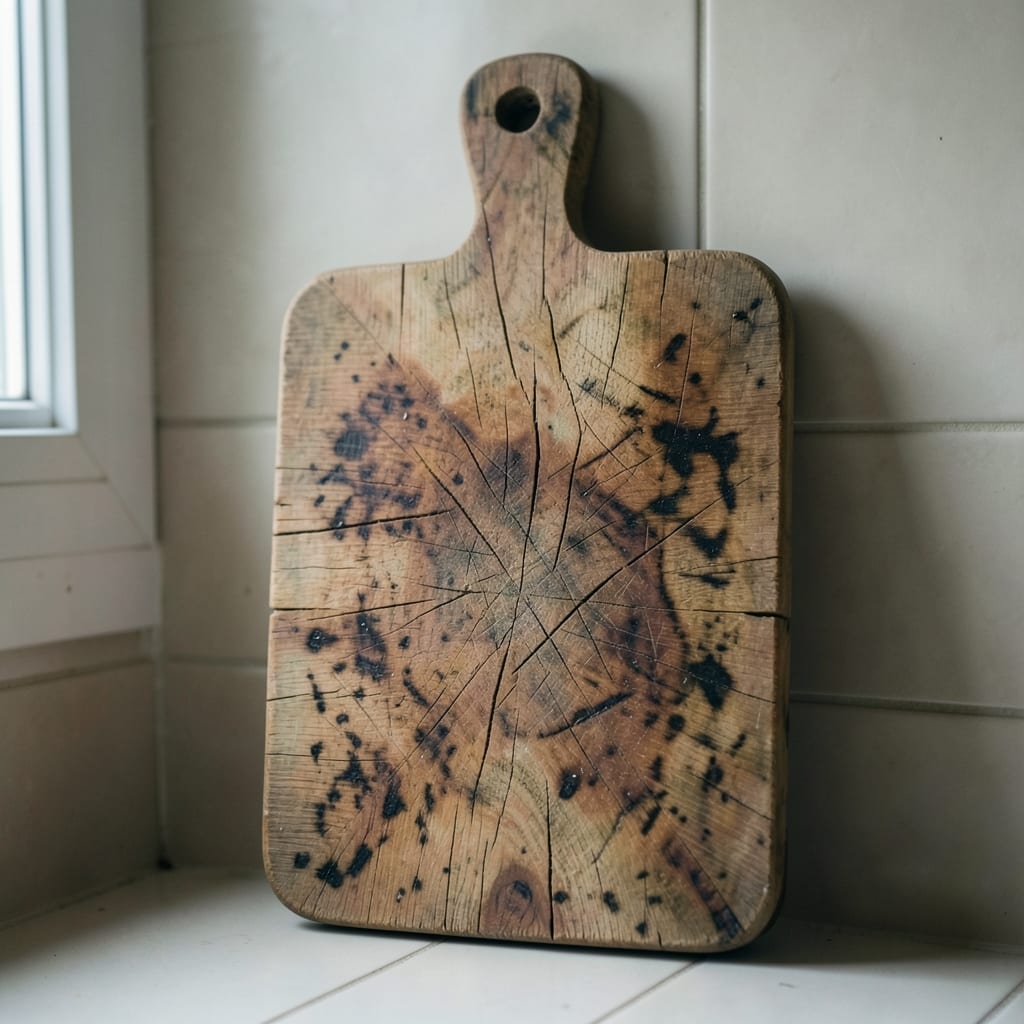
A warped wooden tray with cracks running through the bottom, held together with duct tape. It’s been here since the first batch of seedlings, three years ago, and still holds water—just not where it’s supposed to.
It taught us that failure is part of the process. The cracks mean some seeds drown, but the ones that don’t are the hardiest. We’ve learned to check the tray twice a day now, and that’s saved more than one batch of wilting sprouts.
Pruners
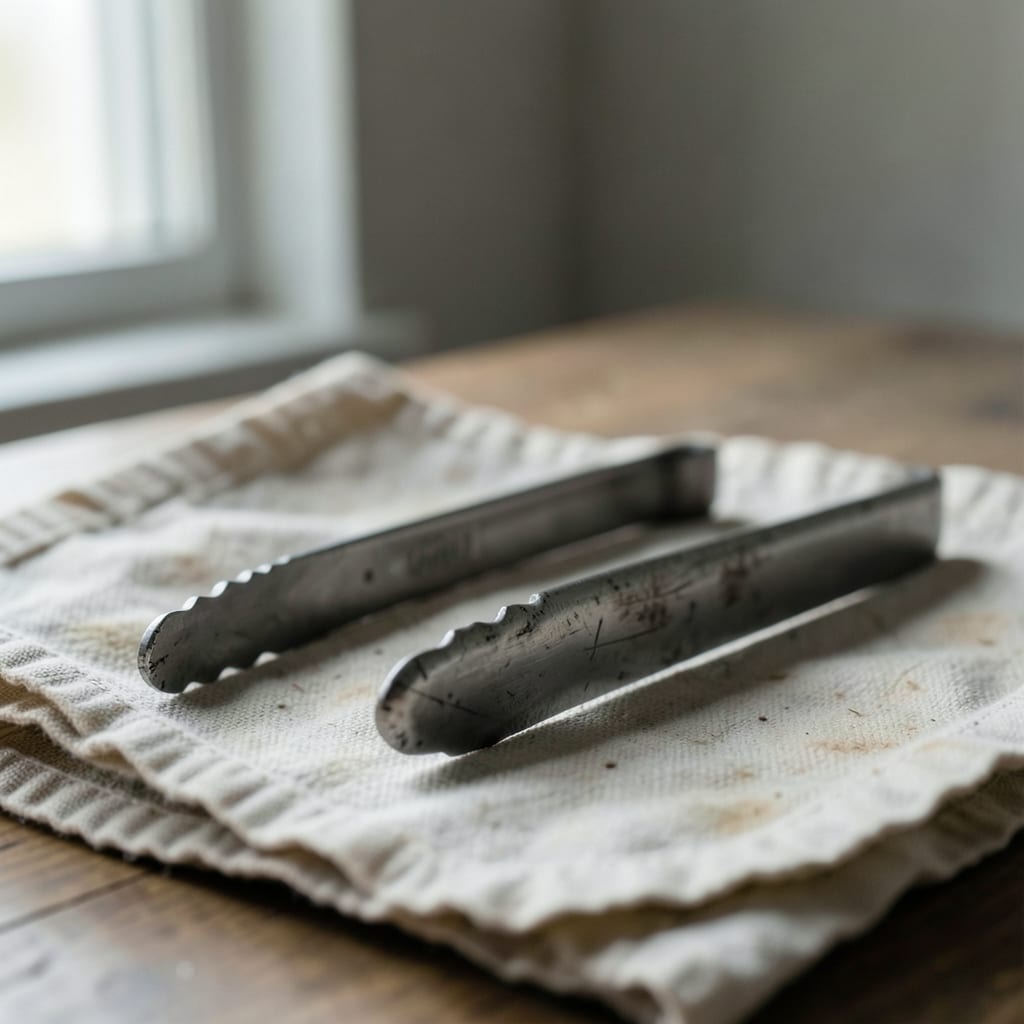
A pair of bypass pruners with a handle so worn the metal is smooth. The spring snaps shut on its own now, and the blades are dull enough to require two hands to cut through anything thicker than a twig.
It taught us that even the best tools wear out. We used to sharpen them every season, but now we just use them until they can’t cut anymore.
The last time we tried to fix them, we ruined the blade entirely—so we keep them anyway, for the jobs that don’t need precision.
Stone slab
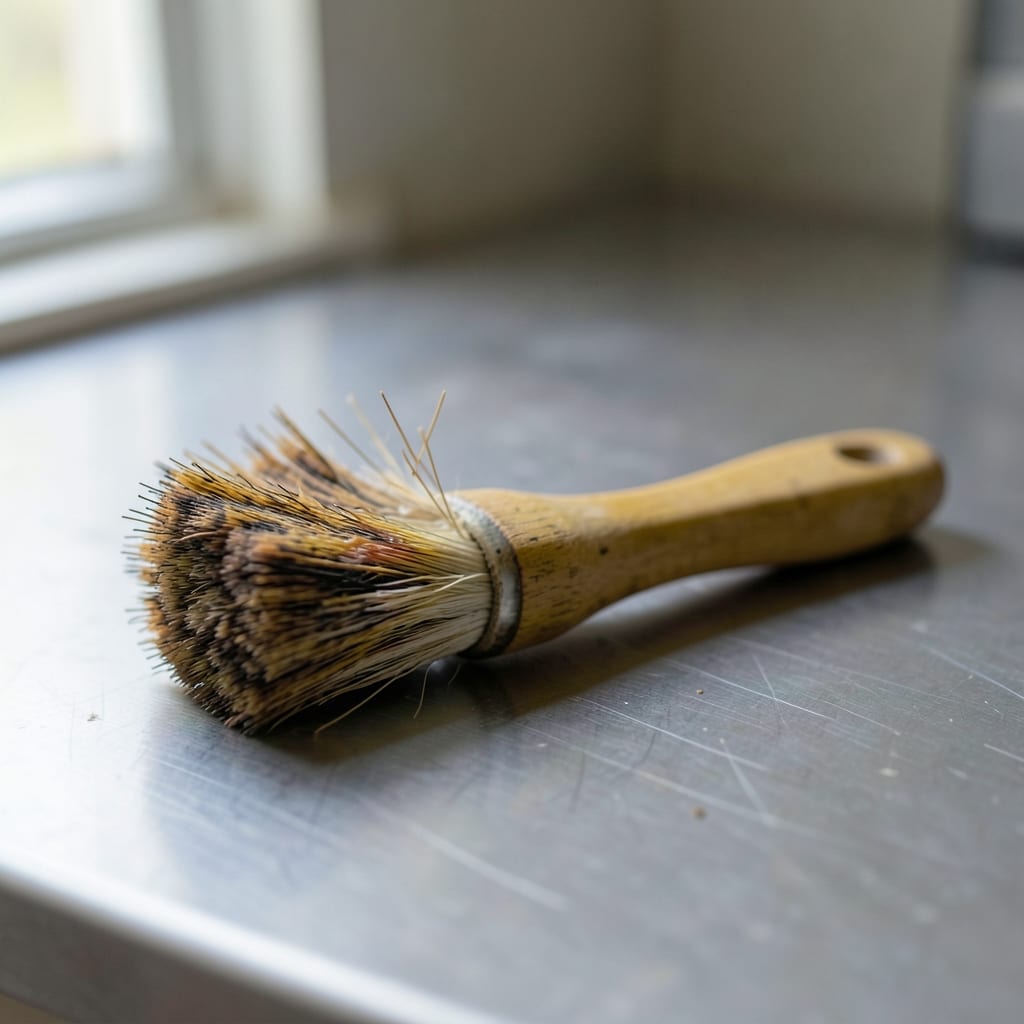
A flat river stone, about the size of a dinner plate, with dark streaks from years of compost. It’s been here since the first garden, four years ago, and still holds the shape of the first handful of soil we ever mixed.
It taught us that some things don’t need to move. We use it to weigh down pots, crack open seed packets, and measure soil pH with a cheap test kit. The stains remind us that every garden starts with dirt—and that dirt is never clean.
What is not in the drawer
This work doesn’t depend on fancy gadgets, branded tools, or anything that promises to make gardening easier. We don’t use soil meters, digital scales, or self-watering pots. No LED grow lights, no hydroponic setups, no ‘smart’ anything.
Deliberately absent
- Plastic grow bags (they kill roots over time)
- Automated irrigation systems (they hide the work)
- Brand-name fertilizers (we compost instead)
- Pressure-treated wood (it leaches chemicals)
Behind the scenes

Sheldon Mensah, Founder & Editor. I’m the one who still checks the seed-starting tray twice a day, even when it’s not my turn. I’m the one who keeps the pruners in my pocket ‘just in case,’ even though they’re useless now.
I’m the one who talks to plants like they’re answering back.
I came to this from my grandmother’s garden in Accra, where she’d press a seed into the soil and whisper to it before covering it with her hands. She handed me the trowel when I was eight and never let me use gloves. ‘Dirt is medicine,’ she’d say.
I believed her.
This work has given me calluses on my thumbs from turning pots, a permanent ache in my back from hauling bags of soil, and the habit of noticing how plants lean toward light—even in a city apartment.
I can’t walk past a garden center without checking the pH of the bags, and I’ve ruined three houseplants trying to ‘fix’ what wasn’t broken.
I’m here to write about the things that actually grow, not the ones that sound good in a catalog. The failures, the surprises, the dirt under the nails. This is for anyone who’s ever wondered if their thumb is green enough.
Why any of this matters to you
These things—worn tools, cracked trays, stubborn stones—mean every tip here is tested in real dirt, not a lab. The trowel’s split handle reminds us to dig carefully. The pruners’ dull blades mean we’ve learned to prune at the right angle. The compost stains on the stone?
That’s where we learned to mix soil like it matters.
When you read about transplanting seedlings or fighting pests, you’re reading about the same struggles we’ve had with these tools. No shortcuts. No promises. Just the dirt, the light, and what grows because of it.
Every page here is written with these things in mind: real soil, real mistakes, and real plants. You won’t find ‘perfect’ gardens—just the ones that actually work, warts and all.
The guides are grouped by category: Advice, Aphids, Blooming, Companion Plants, Container Gardens and Flowers.