
Plants
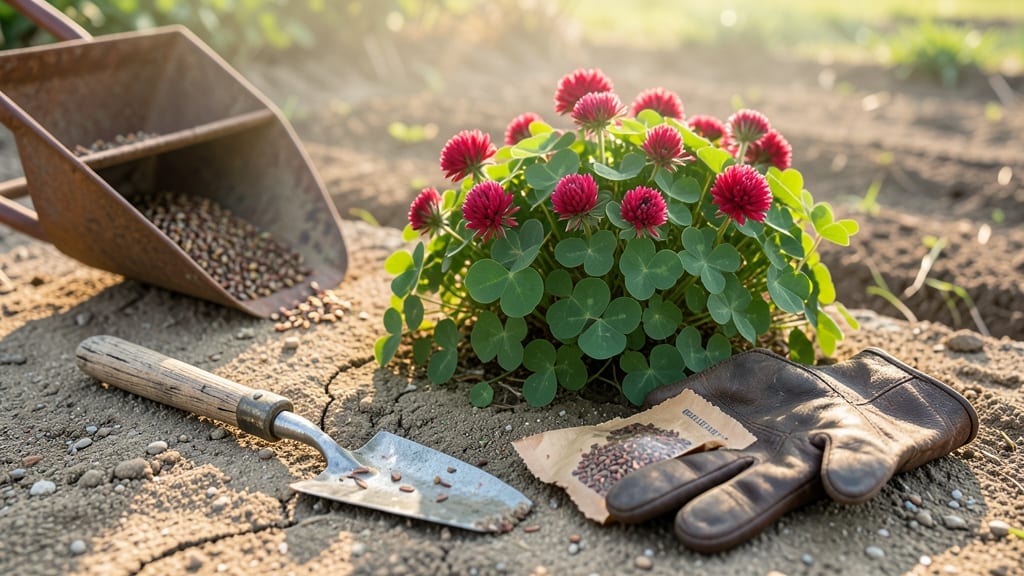
Timing your crimson clover 🌸 planting in Texas is the single most important factor for success—get it wrong, and you’ll end up with patchy growth or wasted seed.
Unlike other cover crops, crimson clover thrives in Texas’s warm winters but struggles when planted too late in fall or too early in spring, especially in zones like 8a-10b where frost dates vary wildly from North to South.
If you’ve ever watched your cover crop fail to establish—despite your best efforts—you’re not alone. The key lies in understanding when to plant based on your region’s microclimate.
Whether you’re in the High Plains or the Gulf Coast, knowing the exact deadlines for fall and spring can mean the difference between a lush, nitrogen-rich ground cover and a failed experiment.
In this guide, I’ll break down the optimal planting windows for both fall and spring, including how soil temperatures and frost dates play a role.
You’ll also discover how to extend your planting season with simple tricks like mulching or shade strategies—so you can maximize your crimson clover’s potential no matter where in Texas you garden.
Ready to stop guessing and start growing? Let’s dive into the exact deadlines and best practices tailored to your corner of the Lone Star State.
Optimal fall planting deadlines for crimson clover in Texas regions
Texas’s diverse climate means your crimson clover planting timeline should align with your specific region. Fall planting is ideal because it establishes roots before winter, giving you a head start in spring.
But timing is critical—plant too late, and frost will kill seedlings before they take hold. Let’s break down the best last planting dates by Texas zone to maximize your success.
In North Texas (USDA Zones 7b-8a), where first frosts often hit by mid-November, aim to plant crimson clover by October 15th. This gives seedlings 4-6 weeks to germinate and develop before cold snaps.
If you’re in East Texas (Zones 7b-8b), you have a slightly longer window—plant by November 1st—thanks to milder winters and later frosts.
For the High Plains (Zones 7a-8a), where winters are harsher, stick to September 15th–October 1st. Soil temperatures drop faster here, and seedlings need consistent warmth to sprout.
Meanwhile, in the Gulf Coast (Zones 8b-10a), you can push it later—planting through November 15th works well, as frosts are rare and soil stays warmer longer.
| Texas Region | USDA Zone | Last Planting Date | First Frost Avg. | Soil Temp. Goal (°F) |
|---|---|---|---|---|
| North Texas | 7b-8a | October 15 | Mid-November | 60-65°F |
| East Texas | 7b-8b | November 1 | Late November | 55-60°F |
| High Plains | 7a-8a | October 1 | Early November | 58-62°F |
| Gulf Coast | 8b-10a | November 15 | January-February | 60-68°F |
Soil temperature is just as critical as the calendar date. Crimson clover seeds need soil temps of at least 60°F to germinate reliably. Use a soil thermometer to check—if temps dip below 55°F, germination slows dramatically.
In cooler zones like the High Plains, aim to plant when soil temps consistently hit 60°F during the day, even if it’s still September.
Pro tip: If you’re in a microclimate (like a sheltered garden bed), you might extend your planting window by 1-2 weeks. South-facing slopes or urban heat islands can keep soil warmer longer. Always monitor local weather forecasts for unseasonable warmth—a late-September heatwave could push your planting date back.
Once planted, mulch lightly with straw or leaves to retain heat and moisture. This helps seedlings establish faster, especially in dry Texas soils. Avoid heavy mulch, though—it can smother young plants. Aim for a 1-inch layer to strike the right balance.
If you miss the ideal window, don’t panic. Crimson clover is hardy and can often survive light frosts once established. However, seedlings won’t tolerate freezing temps.
In North Texas, if you plant after November 1st, cover seedlings with row fabric on cold nights to protect them until they’re 3-4 inches tall.
For best results, pair your planting with a light nitrogen fertilizer (like 5-10-10) to encourage early growth. This is especially helpful in poor or sandy soils, where nutrients leach out quickly. Water deeply after planting to settle seeds into the soil—1 inch of water is ideal for germination.
Remember, crimson clover thrives in full sun, so choose a spot with 6+ hours of sunlight daily. If your garden is shady, consider planting near a fence or wall that reflects sunlight. This extra warmth can help push your planting window just a little later in the season.
By following these regional guidelines, you’ll give your crimson clover the best shot at a strong start—whether you’re in freeze-prone North Texas
Optimal fall planting deadlines for crimson clover in Texas regions
Texas’ diverse climate means your crimson clover planting window varies dramatically from the High Plains to the Gulf Coast. In North Texas (USDA Zones 7b-8a), aim to plant by October 15 to avoid early frosts, while South Texas (Zones 9a-10b) gardeners can push planting until November 15 safely.
These deadlines ensure seeds germinate before soil temps drop below 50°F, which stalls growth.
For East Texas, where humidity lingers longer, November 1 is your cutoff—delaying risks fungal issues. Meanwhile, West Texas’s drier air lets you plant until November 10, but irrigation becomes critical after that.
Always check your local first frost date (e.g., December 15 in Dallas vs. January 31 in Brownsville) to adjust.
| Texas Region | USDA Zone | Last Planting Date | Soil Temp Threshold | Key Risk |
|---|---|---|---|---|
| High Plains | 7b-8a | October 15 | 50°F | Early frost |
| North Central | 8a-8b | October 31 | 55°F | Drought stress |
| East Texas | 8a-9a | November 1 | 60°F | Fungal growth |
| Gulf Coast | 9a-10b | November 15 | 65°F | Heat stress |
Pro tip: Use a soil thermometer to confirm temps—crimson clover germinates best at 60-70°F. If your soil cools faster than expected (common in North Texas), opt for earlier planting in September to build a stronger root system before winter.
Mulch with straw to insulate seeds and retain moisture during fall’s erratic rains.
For organic gardeners, mix crimson clover seeds with a compost top-dressing to boost early growth. This combo improves soil structure while the clover fixes nitrogen—ideal for spring vegetable beds. Just avoid planting too close to warm-season crops like tomatoes, which compete for resources.
Remember: Fall planting is your safest bet in Texas, but spring windows exist—just with higher risks. We’ll cover those in the next section, including how to avoid summer die-off in 100°F+ heat.
Start your cover crop early, and you’ll thank yourself next spring when your soil is teeming with life!