
Plants
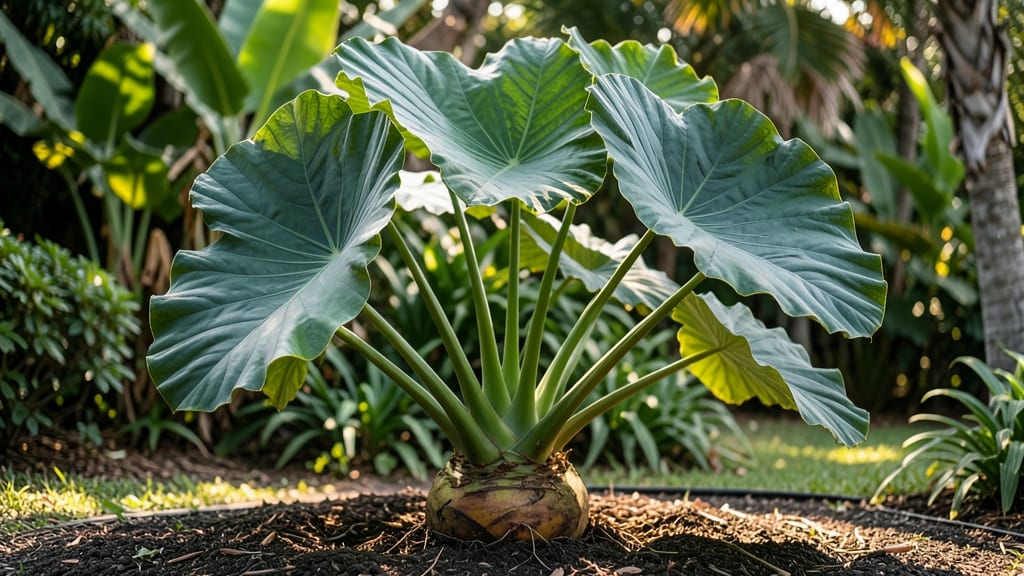
Ever wondered how tall your Elephant Ear 🌿 plants could grow—and whether they’ll turn your garden into a jungle or just add a bold statement? The answer depends on the variety you choose, and the difference between a compact 2-foot beauty and a towering 6-foot giant might surprise you.
If you’re planning your garden layout in Zone 6a, knowing these heights is the key to avoiding crowded spaces or wasted potential. Some varieties stay manageable for small gardens, while others reach heights that make them perfect for dramatic backdrops.
Let’s break down the exact ranges so you can pick the perfect fit for your space.
What’s even more interesting is how simple adjustments—like sunlight exposure or soil quality—can influence whether your Elephant Ear stays on the smaller side or stretches toward the sky. Whether you’re a first-time gardener or a seasoned pro, these insights will help you control the height naturally, without heavy pruning.
Ready to transform your garden with these striking plants? I’ll walk you through the most popular varieties, their growth habits, and the easiest ways to keep them at your ideal height—so you can enjoy their lush foliage without the worry.


Elephant ear plant height by variety: from dwarf to giant sizes
Elephant ear plants—specifically Colocasia and Alocasia varieties—offer a stunning range of heights, from compact dwarf varieties to towering giants. Knowing these mature height ranges helps you choose the perfect fit for your garden, whether you're creating a lush tropical border or adding a statement plant to a container.
Let’s break down the exact heights you can expect from popular varieties.
The average elephant ear plant reaches 3 to 5 feet tall, but some varieties stretch up to 6 feet or more, while dwarf types stay under 2 feet. The key factors influencing height are the species, growing conditions, and how well you manage their care.
For example, Alocasia zebrina often stays shorter than Colocasia esculenta, which can grow aggressively in ideal conditions.
Below, you’ll find a detailed comparison of 10+ elephant ear varieties, including their mature heights, growth habits, and ideal uses in your garden.
This will help you visualize how each variety will fit into your space and whether it’s suited for containers, border plantings, or background focal points.
🌿
When planning your garden layout, consider not only the height of each variety but also its spread. Many elephant ear plants, like Colocasia esculenta, can spread 3 to 5 feet wide, making them ideal for filling in spaces quickly.
If you’re working with limited space, opt for dwarf varieties like 'Hopeleaves' or 'Polly', which stay under 3 feet tall and wide.
For containers, choose varieties that won’t outgrow their pots quickly. A 5-gallon container can comfortably hold 'Pink Beauty' or 'Hopeleaves', while larger pots (15+ gallons) are needed for 'Black Magic' or 'White Queen' to accommodate their taller stature and expansive roots.
If you’re aiming for a tropical jungle vibe, mix tall varieties like 'White Queen' or 'Black Magic' with shorter types like 'Zebrina' or 'Frydek'. This creates visual layers and adds depth to your garden design.
Just be sure to give taller varieties plenty of space to avoid crowding, which can lead to pests or disease.
🌳
One common misconception is that all elephant ear plants grow equally tall. In reality, Alocasia varieties tend to stay shorter and more compact, while Colocasia species often reach greater heights. For example, Alocasia 'Polly' rarely exceeds 3 feet, whereas Colocasia 'Illustris' can easily top 5 feet.
Understanding these differences helps you select the right plants for your specific needs, whether you want a low-maintenance ground cover or a dramatic statement plant.
Pro tip: If you’re unsure about a variety’s mature size, check the plant tag or ask your local nursery for guidance. Some nurseries even provide growth charts to help you visualize how tall a plant will become.
This small step can save you from planting a 6-foot giant in a space meant for a 2-foot dwarf!
✂️
Elephant ear plant height by variety: from dwarf to giant sizes
Elephant ear plants—whether Colocasia or Alocasia varieties—can range from compact dwarf varieties to towering giants, making them perfect for both small containers and large garden beds. The mature height varies dramatically by species, with some reaching over 6 feet tall while others stay under 2 feet.
Knowing these differences helps you choose the right variety for your space and design goals.
For example, Colocasia esculenta (the classic elephant ear) typically grows 3–5 feet tall, while Alocasia zebrina (the zebra plant) often maxes out at 2–3 feet.
These variations depend on genetics, care, and growing conditions, so let’s break down the most popular varieties and their expected heights to help you plan your garden layout.
| Variety | Mature Height | Growth Rate | Best For |
|---|---|---|---|
| Colocasia esculenta 'Black Magic' | 4–6 ft | Fast (1–2 seasons) | Large garden beds, focal points |
| Colocasia 'Illustris' | 3–5 ft | Moderate (1 season) | Containers, mixed borders |
| Alocasia zebrina | 2–3 ft | Slow (2+ seasons) | Small spaces, indoor pots |
| Colocasia 'Pink China' | 2–4 ft | Moderate (1 season) | Shade gardens, borders |
| Alocasia 'Polly' | 1–2 ft | Slow (2+ seasons) | Dwarf collections, terrariums |
If you’re working with limited space, dwarf varieties like Alocasia 'Polly' or Colocasia 'Pink China' are ideal, while tall varieties like 'Black Magic' make stunning focal points in tropical-themed gardens.
Always check the mature height before purchasing, as some nurseries sell plants labeled as "compact" that can still reach unexpected heights.
Another key factor is growth rate. Fast-growing varieties like Colocasia esculenta can reach their mature height in just one growing season, while slower growers like Alocasia zebrina may take two seasons or more. This affects when you’ll need to prune or divide your plants to control their size.
For container gardening, stick to varieties under 3 feet tall to avoid top-heavy pots that can tip over in windy conditions. If you love the dramatic look of tall elephant ears, opt for heavy containers or ground planting to support their weight and prevent accidents.
🌱