
Plants
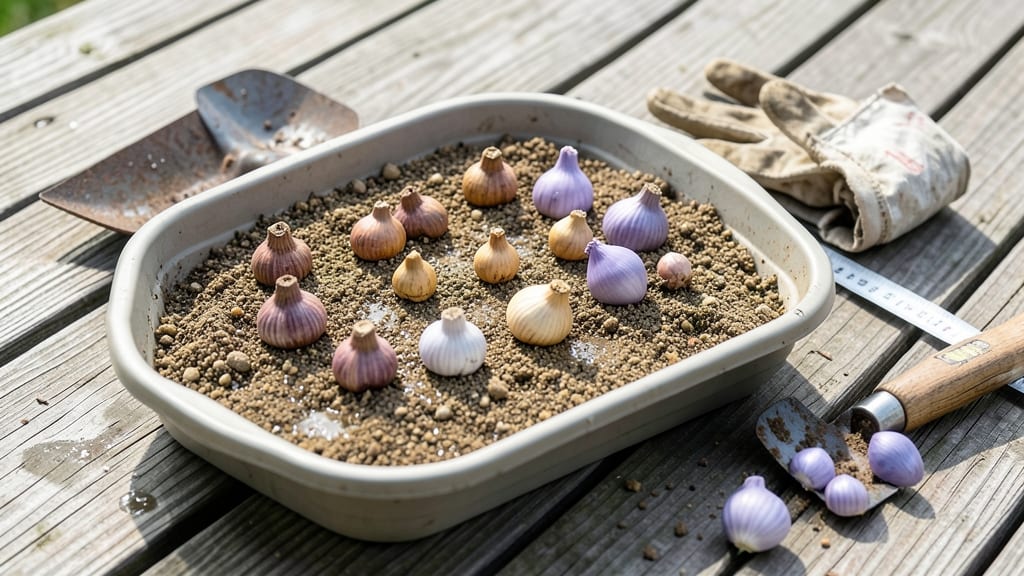
Timing your bulbs (General) planting in Arkansas can make or break your spring garden—get it wrong, and you risk frost damage or weak growth. With Arkansas's 7a-8b zones and humid subtropical climate, knowing the exact window ensures your 🌷 thrive.
Most gardeners plant between September and November, but late frosts or early cold snaps can throw off even the best-laid plans. The key is planting 6-8 weeks before the ground freezes, typically by mid-November, to give roots time to establish.
If you miss fall, don’t panic—winter planting (January-February) still works for hardy varieties like tulips and daffodils. Just adjust for soil temperature and Arkansas’s unpredictable weather patterns.
Let’s break down the zone-specific deadlines and pro tips to guarantee vibrant blooms next spring—no guesswork required.
Arkansas planting zones: when to plant bulbs by hardiness zone (6a-7b)
Arkansas spans USDA hardiness zones 6a through 7b, creating distinct planting windows for bulbs. In zone 6a (northern Arkansas), the first frost typically arrives by November 15, while zone 7b (southern Arkansas) enjoys a 3-4 week longer growing season.
These differences mean your planting timeline should adjust based on your location—even within the same county.
For spring-blooming bulbs like tulips and daffodils, aim to plant 6-8 weeks before the ground freezes. In zone 6a, this means starting by late September, while zone 7b gardeners have until mid-November.
Fall-blooming varieties like crocuses and alliums can wait until January-February, but act quickly before spring growth begins.
Soil temperature is your best indicator—bulbs should go into 40-50°F soil. Use a soil thermometer to confirm readiness, especially in microclimates like the Ouachita Mountains (cooler) or the Delta (warmer). These regional differences can shift your ideal planting window by 2-3 weeks.
Here’s how Arkansas’s zones break down for bulb planting:
| Zone | First Frost | Ideal Planting Window | Soil Temp Goal | Notes |
|---|---|---|---|---|
| 6a (North AR) | Nov 15 | Late Sept–Oct 15 | 40–50°F | Plant by Oct 15 to avoid frost |
| 7a (Central AR) | Nov 22 | Late Sept–Nov 1 | 40–50°F | Flexible window; prioritize soil temp |
| 7b (South AR) | Nov 28 | Late Sept–Nov 15 | 45–55°F | Can plant later; warmer microclimates |
If you’re in zone 6a, rush to plant by October 15—delaying risks frost damage. Zone 7b gardeners have more flexibility but should still aim for soil temperatures below 60°F to prevent premature sprouting.
Pro tip: Check the Arkansas Cooperative Extension Service for localized frost alerts to fine-tune your schedule.
For high-altitude areas like the Ozark Mountains, plant 2 weeks earlier than zone guidelines. Conversely, lowland regions near the Mississippi River may tolerate slightly later plantings. Always prioritize soil temperature over calendar dates—a bulb planted in warm soil in November may sprout too early and suffer from cold snaps.
Test your soil’s readiness with a soil thermometer ($10 at garden centers). Insert it 4 inches deep (the typical bulb planting depth) and wait 30 minutes for an accurate reading. If it’s above 50°F, hold off—your bulbs will rot before winter sets in.
Remember: Bulbs need 8–12 weeks of cold exposure to bloom properly. Planting too late in fall (e.g., December) may result in weak or no flowers the following spring. Use this table as your zone-specific roadmap, but stay flexible—Arkansas weather loves to surprise us!
🌱
Best fall planting schedule for Arkansas bulbs: month-by-month timeline
Arkansas’s humid subtropical climate creates two distinct planting windows for bulbs—fall for spring bloomers and winter for late arrivals. Focus on September through November to give bulbs time to root before winter’s chill sets in.
For Zone 6a areas (north Arkansas), aim for earlier planting; Zone 7b (south Arkansas) has a slightly extended window.
Start with early September for crocuses and snowdrops, which thrive in cooler soil. By mid-September, move to tulips and daffodils, while hyacinths and alliums can wait until late September. This staggered approach ensures continuous color from early spring through late spring.
- 🌱 Early September: Plant crocuses and snowdrops (hardy to 20°F). Ideal for Zone 6a.
- 🌷 Mid-September: Add tulips and daffodils. Soil temps should be 50-60°F.
- 🌿 Late September: Plant hyacinths and alliums. Mulch with 3-4 inches of straw.
- 🍂 October: Final window for late-blooming tulips and garden narcissus. Avoid planting if ground is frozen.
- ❄️ November (early): Only plant extremely hardy bulbs (e.g., squirrel corn) if soil hasn’t frozen.
For Zone 7b gardeners, extend deadlines by 2-3 weeks. However, avoid planting after November 15—bulbs need 6-8 weeks to establish roots before winter. If you miss the fall window, January is your backup, but expect smaller blooms the first year.
Adjust for microclimates: Higher elevations (e.g., Ouachita Mountains) may need earlier planting, while Delta regions can plant slightly later. Always check the Arkansas Cooperative Extension for localized frost alerts.
After planting, water deeply to settle soil and encourage root growth. Avoid overwatering—bulbs rot in soggy soil. Apply a 2-inch layer of mulch (straw or shredded leaves) to insulate roots and retain moisture.
By following this schedule, you’ll enjoy bold spring color with minimal effort. Start early, mulch well, and let Arkansas’s mild winters do the rest! 🌸