
Plants
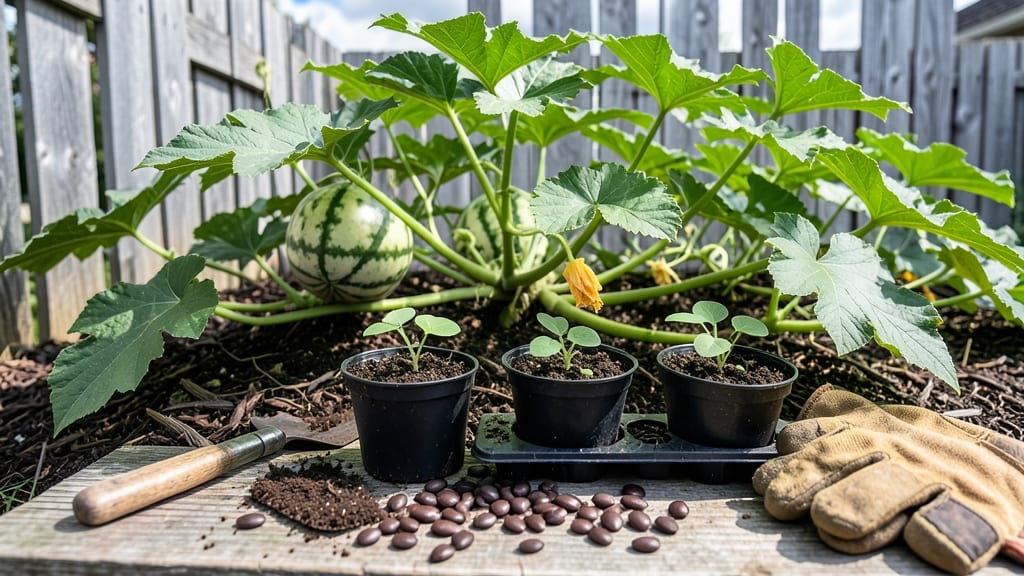
Timing your watermelon seed planting in California isn’t just about following a calendar—it’s about reading your microclimate like a pro. Whether you’re in the coastal fog or the Central Valley’s baking heat, planting too early or too late can mean the difference between a bountiful harvest and wasted effort.
For most of California (like USDA Zone 9b), the sweet spot is late winter to early spring—think February through March—when soil temperatures finally climb above 70°F.
But here’s the catch: coastal areas might wait until April, while inland zones can start as early as February. The key? Soil temperature, not just dates.
I’ll break down exactly when to plant in your specific region, plus how to prep your soil and care for those delicate seedlings. Skip the guesswork and get ready for a harvest that’ll make your neighbors jealous.
Let’s dive into the zone-specific heat tolerance chart that’ll tell you when your watermelon seeds are ready to meet the sun—without the risk of frost or stunted growth.
California planting zones for watermelon seeds: heat tolerance by region
Planting watermelon seeds in California requires understanding your USDA zone and heat tolerance thresholds. Unlike cooler climates, watermelons thrive when soil temperatures stay above 70°F (21°C).
Coastal areas like San Diego may need late spring planting, while inland deserts like Palm Springs can start as early as February. Let’s break down the best times for each California region to maximize your harvest potential.
Watermelons are heat-loving annuals that despise frost. In California’s USDA zones 8-11, the key is planting after the last frost date and ensuring the ground stays warm.
Coastal fog belts (like Santa Barbara) may delay planting until May, while the Central Valley can start as early as March. Always check your local frost-free date—this is your green light to plant.
Here’s a quick reference for soil temperature requirements by region. Watermelon seeds won’t germinate below 60°F (15°C), but they’ll struggle to thrive below 70°F (21°C). Use a soil thermometer to confirm readiness—this simple tool can save you from wasted effort.
| Region | USDA Zone | Last Frost Date | Optimal Planting Window | Soil Temp Requirement | Notes |
|---|---|---|---|---|---|
| Northern CA (Sacramento, Bay Area) | 8a-9b | March 15-April 15 | April 15-May 15 | ≥70°F (21°C) | Use black plastic mulch to warm soil faster |
| Central Valley (Fresno, Bakersfield) | 9a-10a | February 15-March 15 | March 15-April 15 | ≥75°F (24°C) | Ideal for early varieties like 'Sugar Baby' |
| Southern CA (LA, San Diego) | 10a-11 | January 15-February 15 | February 15-March 30 | ≥65°F (18°C) | Coastal areas may need late spring planting |
| Desert (Palm Springs, Joshua Tree) | 10b-12 | December 15-January 15 | February-March | ≥60°F (15°C) | Use shade cloth to prevent bolting |
If you’re in a cooler microclimate (like the Bay Area hills), consider starting seeds indoors 6-8 weeks before your last frost date. Use biodegradable pots to avoid disturbing roots when transplanting. For desert regions, shade cloth can prevent premature flowering—watermelons need consistent warmth to develop sweet fruit.
Pro tip: Black plastic mulch raises soil temperatures by 10-15°F and speeds up germination. Lay it down 2 weeks before planting to create the ideal environment. Pair this with drip irrigation to maintain even moisture—watermelons hate dry spells during flowering.
Watch for soil-borne diseases in regions with high summer humidity (like the Central Valley). Rotate crops annually and avoid planting watermelons in the same spot for 3+ years. If your soil drains poorly, amend it with compost and perlite to prevent root rot.
For urban gardeners in heat islands (like downtown LA), plant watermelons near reflective surfaces or use light-colored mulch to reduce soil temperatures. Container growing works too—just ensure pots are at least 12 inches deep and use a fast-draining mix with 50% compost.
Remember: Watermelon seeds need warmth to germinate. If your soil is still chilly, opt
Step-by-step watermelon planting timeline for CA’s microclimates
California’s microclimates create wildly different planting windows—what works in San Diego’s coastal warmth fails in Sacramento’s chilly valleys. My region-specific timeline ensures you plant watermelon seeds at the perfect moment for your zone, whether you’re in LA’s urban heat or the Central Valley’s fertile soil.
Let’s break it down by month and location.
For Southern California (LA, San Diego), start indoor seedling trays in late February when nighttime temps stay above 55°F (13°C). By March 15, transplant hardened-off seedlings into well-warmed soil (use a soil thermometer—70°F+ (21°C+) is non-negotiable).
Coastal areas can push planting 1-2 weeks earlier than inland desert zones.
Central Valley (Fresno, Bakersfield) gardeners should wait until April 1 for direct sowing or March 15 for indoor starts. The Valley’s rapid warming means you’ll have a longer harvest window than coastal areas, but avoid planting before April—cold snaps here can kill tender seedlings overnight.
🌱 Southern CA Timeline
- Late February: Start seeds indoors under grow lights (6-8 weeks before last frost).
- March 15: Transplant seedlings into black plastic mulch beds (warms soil faster).
- April 1: Direct-sow seeds in raised beds (avoid compacted soil).
- May-June: Expect first harvests in coastal areas; inland zones follow 2 weeks later.
🌿 Central Valley Timeline
- March 15: Start seeds indoors (use heat mats for faster germination).
- April 1: Harden off seedlings; transplant after soil hits 75°F+ (24°C+).
- April 15: Direct-sow seeds in fertile loam (Valley soil is ideal for watermelons).
- June-July: Peak harvest season with longer daylight boosting fruit size.
🌳 Northern CA (Bay Area, Sacramento)
- April 1: Start seeds indoors with bottom heat (critical for germination).
- May 15: Transplant only after nighttime temps stay above 60°F (15°C).
- June 1: Direct-sow in protected microclimates (e.g., near south-facing walls).
- July-August: Harvest before September’s early frosts hit inland areas.
Pro tip: Use black plastic mulch in all zones to raise soil temps by 5-10°F and speed up germination. In coastal fog belts, add a clear plastic tunnel over seedlings to trap heat.
And remember—watermelons hate cold feet, so always check soil temp with a thermometer, not just air temp.
If you’re in urban heat islands (LA, Sacramento), plant earlier—concrete absorbs heat and can accelerate growth by 1-2 weeks. But watch for pests like cucumber beetles, which thrive in warm cities. Use row covers for young plants until they’re established.
For container growing, start seeds 4-6 weeks earlier than your zone’s timeline—pots heat up faster than ground soil. Choose 5-gallon containers with drainage holes and fill with 50% compost to mimic fertile Valley soil.