
Plants
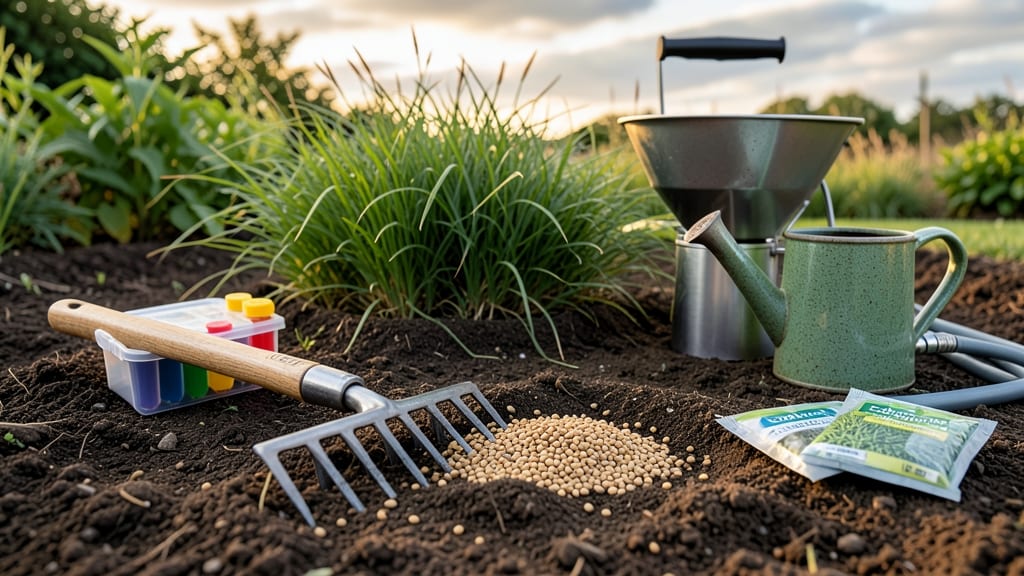
If you’ve ever stared at a patchy lawn in Utah and wondered when is the best time to plant grass seed in Utah, you’re not alone—timing is everything in this high-desert climate.
One wrong move, and your grass could struggle for years against Utah’s extreme heat, dry spells, and temperature swings.
The good news? With the right schedule, you can establish a thick, resilient lawn that thrives despite the challenges.
I’ve tested the best planting windows across Utah’s 5b-7a zones, and the secrets to success—like fall vs. spring timing, soil prep, and watering hacks—are about to change how you approach your lawn.
Whether you’re in Northern Utah’s cooler 5b zone or Southern Utah’s warmer 7a region, this guide breaks down the exact months to plant, the ideal soil conditions, and how to adjust for Utah’s microclimates. Let’s get your grass off to the strongest start possible.
You’ll discover why fall planting often wins in Utah, how to prep your soil for germination, and the watering schedule that keeps your new grass alive through Utah’s dry spells. Ready to transform that bare patch into a lush, green lawn? Let’s dive in.
Optimal Utah grass seed planting windows: fall vs. spring timing for high-desert success
Utah’s high-desert climate creates unique challenges for lawn establishment, where timing is everything. Unlike humid regions, Utah’s low humidity and temperature swings mean your grass seed must germinate quickly or risk drying out.
The two best windows—early fall and late spring—offer ideal conditions, but each requires different strategies to succeed.
For most of Utah, late August through mid-September is the golden window for planting cool-season grasses like Kentucky Bluegrass or Tall Fescue. During this time, soil temperatures remain warm enough for germination (60–75°F) while afternoon heat has lessened.
This gives seedlings a 6–8 week growing window before winter dormancy sets in.
Spring planting is trickier but possible from mid-April to early May, aligning with Utah’s last frost dates (April 1 in central Utah, April 15 in northern areas). The risk? Hot, dry winds can desiccate seedlings before they establish.
Southern Utah’s earlier springs (March 15 last frost) allow for February planting of warm-season grasses like Buffalograss, but this is rare in cooler northern regions.
Here’s how Utah’s microclimates influence timing: - Wasatch Front (USDA Zone 6a): Aim for September 1–15 to avoid early frosts. - Central Utah (Zone 6a–7a): Late August to early October works best. - Southern Utah (Zone 7a): September–October extends the window due to milder winters.
Why fall dominates: Cool-season grasses grow aggressively in fall’s mild temperatures (50–70°F) and establish deep roots before winter. Spring-planted lawns often struggle with summer heat and require more frequent watering to survive.
If you miss fall, late spring is your next best shot—but prepare for intensive watering and shade protection during the hottest months. Avoid planting in June or July; seedlings will bake in the sun and fail to establish.
🌱
| Factor | Fall Planting (Aug–Sep) | Spring Planting (Apr–May) |
|---|---|---|
| Ideal Soil Temp | 60–75°F | 50–65°F |
| Germination Time | 7–14 days | 10–21 days |
| Watering Needs | Moderate (cooler temps) | High (hot/dry winds) |
| Frost Risk | Low (established roots) | Moderate (late frosts) |
| Best Grass Types | Cool-season (KBG, Fescue) | Cool-season (or warm-season in south) |
| Success Rate | 90%+ with care | 60–80% (higher risk) |
To maximize success, align your planting with Utah’s rainfall patterns. Fall planting benefits from September monsoons in southern Utah, while spring plantings rely on snowmelt moisture in northern areas.
Always test soil moisture before planting—if the top 2 inches are dry, wait for rain or irrigate lightly to prep the seedbed.
Pro tip: Use a soil thermometer to confirm temperatures. Cool-season grasses need soil temps below 75°F to germinate; warm-season grasses like Bermuda thrive when soils hit 75–85°F. Southern Utah’s March–April can work for warm-season grasses, but northern Utah’s cooler soils delay germination until May.
If you’re planting in sandy soils (common in Utah’s desert regions), mulch with straw to retain moisture and reduce evaporation. In clay-heavy soils (Wasatch Front), amend with compost to improve drainage before seeding.
💧
Utah-specific grass seed selection: choosing drought-tolerant varieties for your planting timeline
Selecting the right grass seed variety for Utah’s climate is just as critical as timing. The high-desert environment demands grasses that tolerate drought, heat, and alkaline soils. Cool-season grasses dominate Utah’s lawns, but your location—whether northern Utah’s cooler zones or southern Utah’s warmer desert—will dictate the best choices.
For fall planting (the preferred window), focus on cool-season grasses like Kentucky Bluegrass or Tall Fescue, which establish roots before winter. If you’re planting in early spring, opt for drought-resistant varieties like Buffalograss or Fine Fescue to handle Utah’s dry spells.
Warm-season grasses, such as Bermudagrass, are better suited for southern Utah’s hotter microclimates but should only be planted in late spring or early summer. Planting them too early risks heat stress before they establish.
| Variety | Best for Utah Region | Planting Window | Drought Tolerance |
|---|---|---|---|
| Kentucky Bluegrass | Northern Utah (5b-6a) | Early fall or late summer | Moderate |
| Tall Fescue | Central Utah (6a) | Late summer to early fall | High |
| Buffalograss | Southern Utah (7a) | Late spring to early summer | Very High |
| Fine Fescue | All regions (shady areas) | Early fall | Moderate |
Avoid warm-season grasses like Zoysia or St. Augustine unless you’re in southern Utah’s lowest elevations. These struggle in Utah’s cool nights and alkaline soils. Instead, blend Tall Fescue (for heat tolerance) with Kentucky Bluegrass (for cold hardiness) for a year-round green lawn.
For sandy or rocky soils common in Utah, mix Buffalograss with Blue Grama—both thrive with minimal water. Always check the seed label for Utah-specific recommendations and avoid cheap blends with low-quality fillers.
Once you’ve chosen your variety, prep your soil 2-3 weeks before planting to ensure the seeds have the best chance to germinate. This means testing pH levels (aim for 6.0-7.5) and amending with compost or sulfur if needed.