
Plants
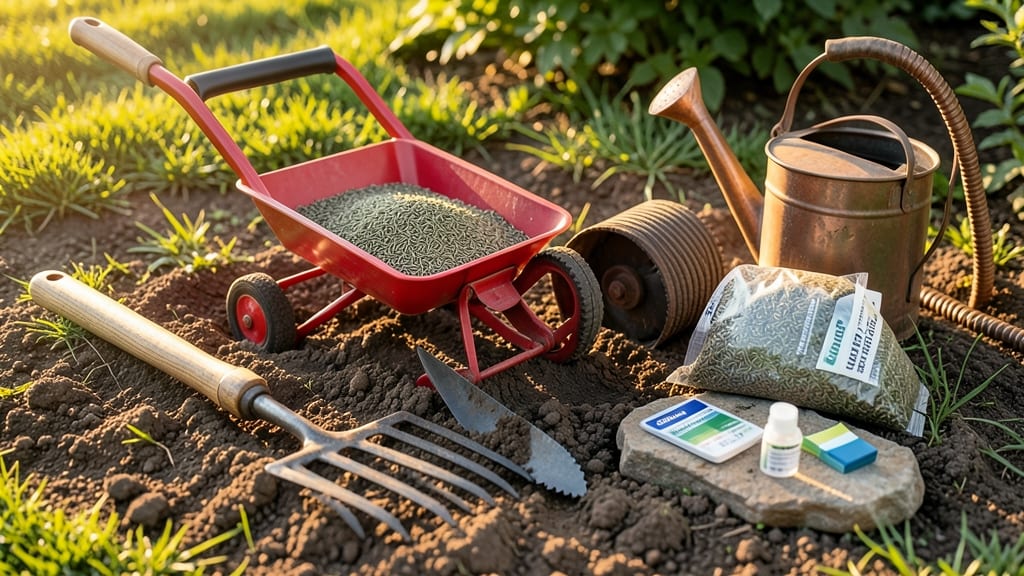
If you’ve ever stared at a patchy lawn wondering why your grass seed didn’t take, the answer might be simpler than you think: the best time to plant grass seed in Iowa isn’t just about seasons—it’s about precise timing that aligns with your USDA zone, soil temperature, and even local weather quirks.
Iowa’s 5a-5b climate means frost can linger into April or sneak back in October, turning a rushed planting into a gamble. Cool-season grasses like Kentucky bluegrass thrive when soil hits 50-65°F, but planting too early risks frost damage, while waiting too long leaves your lawn vulnerable to weeds.
The key? A narrow window that balances warmth, moisture, and minimal competition.
In this guide, I’ll break down the exact months to plant—whether you’re seeding in early spring or late fall—plus how to prep your soil, adjust for Iowa’s variable weather, and avoid common mistakes that derail even the best-laid plans. No more guesswork, just a lush lawn by next summer.
Ready to transform your yard? Let’s dive into the science-backed deadlines that’ll make your grass seed the envy of the neighborhood.
Iowa’s ideal grass-seeding windows: spring vs. fall deadlines by zone
Iowa’s USDA zones 5a-6b create unique challenges for grass seed timing. Unlike milder climates, Iowa’s freeze-thaw cycles and variable rainfall demand precision.
Cool-season grasses like Kentucky bluegrass and tall fescue dominate here, thriving when soil temps hit 50-65°F—a window that opens earlier in southern Iowa and later in the north.
Most Iowans target two ideal windows: early spring and late fall. Spring planting kicks off when daytime highs consistently reach 60°F, typically mid-April to early May in most zones.
Fall seeding, however, offers the best success rate because cooler temps reduce weed competition and drought stress. Aim for mid-September to early October when nights dip below 70°F.
Northern Iowa (zone 5a) gardeners should wait until late April or early May for spring planting due to later frost dates. Southern Iowa (zone 6b) can start as early as mid-April.
For fall, northern areas must plant by mid-September to avoid early frosts, while southern zones have until early October.
🌱 Iowa Grass-Seeding Timeline by Zone
| Zone | Spring Window | Fall Window | Soil Temp Threshold | Key Grass Types |
|---|---|---|---|---|
| 5a (Northern IA) | Late April - Early May | Mid-September | 50-55°F | Kentucky bluegrass, hard fescue |
| 5b (Central IA) | Mid-April - Early May | Late September | 55-60°F | Tall fescue, perennial ryegrass |
| 6a (Southern IA) | Early April - Mid-May | Early October | 60-65°F | Bermuda grass, zoysia |
⚠️ Pro Tip: Use a soil thermometer (available at Iowa State University Extension offices) to confirm soil temps before planting.
Warm-season grasses like Bermuda and zoysia (common in southern Iowa) have different rules. Plant these after the last frost, typically mid-May to June, when soil temps stay above 70°F for consistent germination. These grasses go dormant in winter, so fall planting isn’t ideal.
Iowa’s clay-heavy soils slow water drainage, which can delay germination. To combat this, loosen soil to 3-4 inches deep before planting and mix in compost or sand to improve aeration. This is especially critical in northern Iowa, where compacted soils are more common.
For overseeding existing lawns, fall remains the best time. The cooler weather helps new seeds establish before winter, while your current grass provides shade and moisture retention. Spring overseeding is riskier due to weed competition and drought stress as temps rise.
One common mistake Iowans make is planting too early in spring when soils are still cold. Seeds may rot before germinating. Conversely, planting too late in fall leaves little time for root establishment before frost.
Use the 6-week rule: plant seeds at least 6 weeks before your area’s first expected frost date.
If you’re in zone 5a, aim for September 15 as your fall deadline. Zone 6b gardeners can push it to October 10. For spring, April 15 is a safe start date for southern Iowa, while northern areas should wait until May 1.
🌱 Remember: Consistency matters. Even if you plant at the perfect time, daily watering (1/4 inch per week) and light mulching with straw will make or break your lawn’s success in Iowa’s variable climate.
5 Critical factors that determine your exact planting date in Iowa
Iowa’s variable climate means planting grass seed at the wrong time can leave your lawn thin and vulnerable. While general guidelines exist, 5 key factors will help you pinpoint the perfect moment for your yard.
Start by checking the soil temperature, which should stay consistently between 50-65°F for 7-10 days before planting. Use a soil thermometer—Iowa State University recommends testing in the morning for accuracy.
Next, consider your local frost dates. Northern Iowa (USDA Zone 5a) faces earlier frosts than southern Iowa (Zone 5b). Aim to plant 4-6 weeks before the first frost in fall or after the last frost in spring.
For most of Iowa, this means late March to early April for spring or mid-September to early October for fall.
- Soil Temperature: 50-65°F for 7-10 days (use a thermometer)
- Frost Risk: Plant 4-6 weeks before first frost or after last frost
- Rainfall Forecast: Avoid planting during heavy rain predictions (seeds wash away)
- Seed Viability: Store seeds in cool, dry places—old seeds lose 50% germination after 1 year
- Lawn Prep: Rake soil to fine tilth and cover seeds with ¼-inch soil
Don’t ignore rainfall forecasts—planting during heavy rain can wash seeds away or cause soil compaction. Check the National Weather Service for your area and schedule seeding during dry, mild spells.
If rain delays planting, seeds typically stay viable for 2-4 weeks if stored properly in a cool, dry place.
Your lawn’s current condition also matters. If you’re overseeding an existing lawn, wait until current grass is actively growing (spring or early fall). For new lawns, prepare the soil by removing debris, tilling, and leveling. Use a lawn roller to ensure seed-to-soil contact, which is critical for germination.
Finally, choose the right grass type for your Iowa climate. Cool-season grasses like Kentucky bluegrass and fescue thrive in Iowa’s spring and fall, while warm-season grasses like Bermuda grass need late spring planting.
Always check the seed packet for specific planting guidelines—some varieties require soil temperatures above 65°F.
By focusing on these 5 factors, you’ll avoid common mistakes and give your grass seed the best chance to establish strong roots before Iowa’s harsh winters. Start with soil temperature, then cross-check with frost dates and weather forecasts for foolproof timing.