
Plants
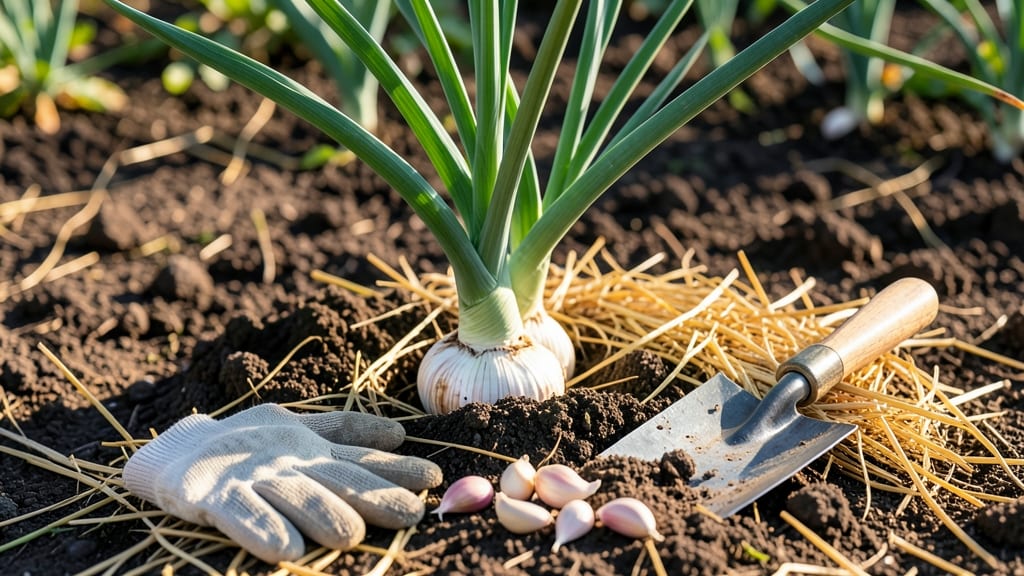
If you've ever wondered when to plant garlic in Ohio Zone 6, timing isn't just important—it's the difference between a thriving crop and a disappointing one.
Ohio's chilly winters and unpredictable fall weather create a narrow window for success, and missing it can leave you with weak bulbs or no harvest at all.
The key to growing hardneck garlic—the variety that thrives in Zone 6—starts in the fall, specifically between October and mid-November. Planting too early risks rot, while waiting too long exposes cloves to frost before they establish strong roots.
I'll show you exactly how to nail this window, including soil temperature tricks and frost date calculations that work for Ohio's climate.
You might think spring planting could work, but garlic actually needs cold winter temperatures to form those prized bulbs. That's why fall is non-negotiable for serious growers. I'll break down the science behind why timing matters so much and share my proven methods for adjusting to Ohio's variable weather patterns.
Whether you're a first-time gardener or a seasoned Ohio grower, these insights will help you grow bigger, healthier garlic bulbs. Let's get your 🧄 off to the best possible start this fall season.
The perfect fall planting window for Ohio Zone 6 hardneck garlic
Ohio’s Zone 6 climate creates a unique challenge for garlic growers—plant too early, and your cloves may rot before winter; too late, and they won’t establish strong roots before dormancy.
The ideal window for hardneck garlic in Ohio is early to mid-October, when soil temperatures drop to 40–50°F but before hard freezes arrive. This timing ensures bulbs form properly over winter.
Most Ohio gardeners target October 1–15 for planting, aligning with the 6–8 weeks before hard frost rule. For example, if your last frost date is November 15, aim to plant by October 1. This gives garlic enough time to develop a root system before the ground freezes solid.
Why does timing matter so much? Garlic bulbs form during winter dormancy, when the plant focuses energy on bulb development rather than leaf growth. Plant too late (after October 30), and bulbs may stay small or split due to uneven growth.
Here’s the science behind the window: Garlic needs 40–50°F soil temps to trigger bulb formation. In Ohio, this typically happens by mid-October, but early years can push it to late September. Use a soil thermometer to confirm—plant when temps stabilize below 50°F.
| Stage | Action | Ohio Zone 6 Timing |
|---|---|---|
| Soil Prep | Loosen soil, add compost | Late August–early September |
| Planting Window | Plant cloves 2" deep | October 1–15 (ideal) |
| Soil Temp Check | Use thermometer (40–50°F) | Mid-September–early October |
| Frost Protection | Mulch with straw (4" deep) | After planting (November) |
| Harvest Ready | Lower leaves brown, bulbs firm | Late June–July |
Pro tip: If your October is unusually warm (like 2016’s 70°F soils), wait until October 15 to avoid premature sprouting. Conversely, in cold years (like 2014’s early frosts), plant by October 1 to guarantee root establishment.
Hardneck varieties like ‘Music’ or ‘German White’ thrive in Ohio’s winters, but they need that early October window. Softneck garlic (like ‘Artichoke’) can stretch to late October, but yields suffer. Always prioritize hardnecks for Zone 6.
Mulching with straw (not leaves) after planting is critical—it insulates bulbs from freeze-thaw cycles that cause bulb splitting. Apply 4–6 inches of straw once soil temps drop below 32°F, typically in November.
Watch for early snow cover—garlic can handle light snow, but heavy, wet snow may compact soil. Remove excess snow to prevent rot and ensure air circulation around cloves.
Remember: No spring planting for hardneck garlic in Ohio—it needs cold vernalization to form bulbs. Spring-planted garlic will produce scapes but no proper bulbs.
The perfect fall planting window for Ohio Zone 6 hardneck garlic
Ohio’s Zone 6 climate creates a 6-week fall window for planting hardneck garlic—critical for bulb formation. Planting too early risks rot, while late planting means smaller bulbs. The ideal time is when soil temps drop to 40–50°F, typically October 1–15 in most of Ohio.
This timing lets garlic establish roots before winter dormancy, ensuring large, flavorful bulbs by next summer. Miss the window, and you’ll either deal with frost-heaved cloves or stunted growth. For Ohio gardeners, this means acting fast after first frost (usually mid-October).
| Stage | Action | Ohio Zone 6 Timeline |
|---|---|---|
| Soil Prep | Test pH (6.0–7.0), amend with compost | Late August–early September |
| Planting | Cloves 2" deep, 6" apart, pointed end up | October 1–15 (soil 40–50°F) |
| Winter Dormancy | Mulch 2–4" with straw; no water | November–March |
| Spring Growth | Water lightly when soil thaws | April–May |
| Harvest | Lower leaves brown, bulbs firm | Late June–July |
For northern Ohio (e.g., Cleveland, Toledo), aim for October 1–10—soil cools faster. In southern Ohio (e.g., Cincinnati, Columbus), you have until October 15–20. Use a soil thermometer to confirm temps; garlic needs 4–6 weeks to root before freezing.
Pro tip: Plant hardneck varieties like ‘German White’ or ‘Music’—they thrive in Ohio’s winters. Softneck garlic (like ‘Artichoke’) struggles with cold and often fails to bulb properly. Always use last year’s bulbs for planting, as fresh grocery-store garlic won’t sprout reliably.
If you miss the fall window, don’t panic—spring planting (March–April) works but yields smaller bulbs. The key is soil warmth (50–60°F), not frost dates. For spring plantings, use a black plastic mulch to warm the soil faster.
Remember: Garlic needs cold to form bulbs. Plant too late, and you’ll get skinny, weak cloves—or worse, no harvest at all. Mark your calendar and set a reminder for early October—your future garlic feasts depend on it! 🌱