
Plants
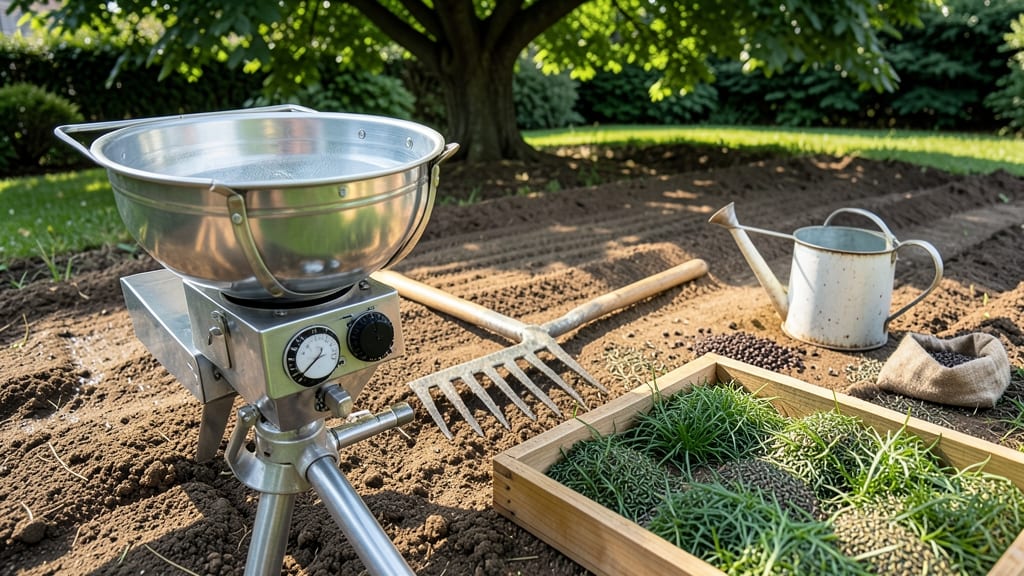
Timing your grass seed planting in Missouri isn’t just about grabbing a bag and scattering—it’s the difference between a lush, green lawn and a patchy, weed-infested battlefield. Missouri’s 5b-6b climate throws curveballs with its unpredictable frost dates and humidity swings, so getting it right means knowing exactly when to act.
Most gardeners swear by early spring or fall, but those windows aren’t one-size-fits-all. In northern Missouri, you might need to wait until mid-April to avoid late frosts, while southern regions can start as early as March.
The key? Planting when soil temperatures hit 50°F—that’s your green light for 🌱 turfgrass to germinate strong and outpace weeds.
Here’s the game-changer: 6-8 weeks of ideal growing conditions before the first frost or summer heat sets in. That means if you plant in September, your grass has time to root deep before winter slams the brakes.
Skip the guesswork—I’ll break down the exact deadlines for your zone, plus how to prep your soil for maximum success.
Ready to stop second-guessing and start growing? Let’s dive into the zone-specific timeline that’ll turn your Missouri lawn from ‘meh’ to ‘wow’—without the trial-and-error headaches.
Missouri’s grass planting zones & exact deadlines by month (2024 guide)
Missouri spans USDA Hardiness Zones 5b through 7a, meaning your last frost date can vary by 2-3 weeks from northern to southern regions. This variation makes timing critical—plant too early, and frost will kill tender seedlings; too late, and weeds will outcompete your grass.
The ideal planting window is 4-6 weeks before the first frost or 4-6 weeks after the last frost, but Missouri’s zones complicate things.
For example, in Zone 5b (northern MO), your last frost typically arrives around April 15, while Zone 7a (southern MO) might see frost-free conditions by March 20.
These differences mean spring planting in northern Missouri starts in late March, while southern Missourians can begin as early as mid-February. Fall planting follows the reverse logic—northern zones wrap up by mid-October, while southern Missouri can extend until early November.
Soil temperature is just as critical as air temperature. Grass seeds need soil that’s at least 50°F (10°C) for germination. In Missouri, this usually aligns with late April for spring and early September for fall, but a soil thermometer (or a free Missouri Botanical Garden soil temperature map) can confirm local conditions. Pro tip: Warm-season grasses like buffalo grass prefer 65°F+ soil, while cool-season grasses like Kentucky bluegrass thrive in 50-65°F.
| Zone & Region | Last Frost (Avg.) | First Frost (Avg.) | Spring Planting Window | Fall Planting Window |
|---|---|---|---|---|
| Zone 5b (St. Joseph, Kirksville) | April 15 | October 15 | Late March–April 15 | Mid-Sept–Oct 1 |
| Zone 6a (Columbia, Springfield) | April 1 | October 30 | Mid-March–April 15 | Late Aug–Nov 1 |
| Zone 7a (Poplar Bluff, Cape Girardeau) | March 20 | November 15 | Late Feb–March 31 | Aug 15–Dec 1 |
🌱 Need your exact zone? Use the USDA Plant Hardiness Zone Map (link) or the Missouri Climate Center tool.
Missouri’s humidity and summer heat also play a role. Planting in late spring (May) risks drought stress or weed competition, while late fall (November) planting may not give roots enough time to establish before winter.
My rule of thumb: Aim for soil temps between 50-70°F—this balances germination speed and root development without overwhelming young plants.
For cool-season grasses (like tall fescue or Kentucky bluegrass), fall planting is often superior. Cooler temps reduce water stress, and fall rains help roots establish before winter. In contrast, warm-season grasses (like bermudagrass) should be planted in late spring when soil is consistently warm.
Check your seed packet—it’ll specify whether your mix is cool-season or warm-season.
Don’t rely solely on calendar dates. Monitor local weather forecasts for 7-day temperature predictions and soil moisture levels. Tools like the National Weather Service’s Missouri climate dashboard or a soil thermometer (available for $10-$15 at garden centers) can save you from costly mistakes.
For example, a heatwave in late April might push your planting window back, while an unusually warm September could extend your fall window.
If you’re unsure whether your timing is right, perform a simple soil scratch test: Dig down 2 inches and check moisture. If it’s dry and crumbly, wait for rain or water lightly before seeding. If it’s soggy, let it dry out
5 Signs you’re planting grass seed at the wrong time in Missouri (and how to fix it)
Planting grass seed in Missouri at the wrong time can waste money, effort, and months of growth. Even with the right grass type, timing is everything—especially when dealing with the state’s unpredictable frost dates and soil temperature swings.
Here’s how to spot the red flags and course-correct before it’s too late.
First, frost damage is the #1 sign you planted too early. If your seedlings turn crispy or brown after a late freeze, you’ve missed the window. Missouri’s last frost date varies by zone—April 15 in the north, but as late as May 1 in southern regions like Springfield.
Check your local USDA Plant Hardiness Zone to avoid this mistake.
Weed competition is another dead giveaway. If weeds sprout faster than your grass, you likely planted too late in spring or missed the early fall window (September-October). Weeds thrive in warm soil and outcompete grass for nutrients. To fix this, pre-treat with herbicide 1-2 weeks before seeding and keep the soil moist.
If your grass struggles to germinate after mid-May or mid-October, you’ve likely planted outside the ideal window. Late planting leads to shallow root systems and dormancy issues before winter. Solution: Wait for soil temps to stabilize at 50°F+ and monitor 7-day forecasts for frost.
Watch for patchy germination, another classic sign of poor timing. Uneven sprouting often means the soil was either too dry (planting in summer) or too cold (planting in early spring).
Missouri’s humidity levels also play a role—if the air feels stagnant, fungal diseases like dollar spot can take over weak seedlings. Fix it by watering deeply twice daily for the first week and using a starter fertilizer with mycorrhizae.
Finally, if your grass stops growing mid-season (June-August), you may have planted warm-season grass (like Bermuda) too early or cool-season grass (like Kentucky bluegrass) too late.
Missouri’s heat waves can shock cool-season grasses, while warm-season types struggle in spring frosts. Solution: Match your grass type to your zone and planting window—early fall is ideal for cool-season grasses, while late spring works for warm-season varieties.
Pro tip: Use a soil thermometer to confirm temps are 50°F+ before planting. If you’re unsure, test your soil’s pH (aim for 6.0-7.0) and amend with compost to improve moisture retention. Timing isn’t just about the calendar—it’s about giving your grass the perfect conditions to thrive.