
Plants
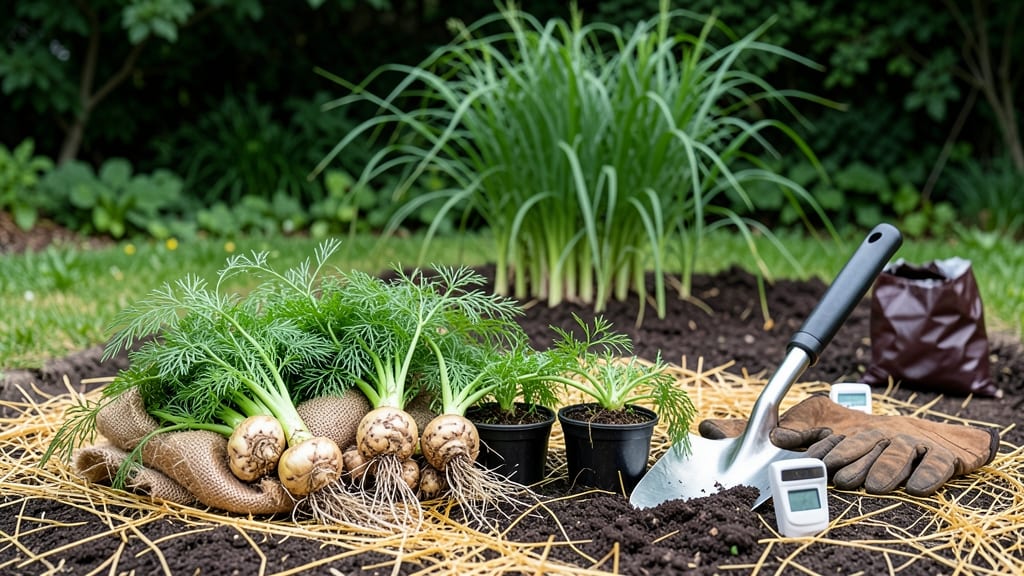
Timing your asparagus planting in Zone 6 could mean the difference between years of waiting for harvests and enjoying fresh spears in just two seasons. This cold-hardy perennial thrives when planted at the right moment—too early, and frost zaps young roots; too late, and summer heat stresses the crowns.
For Zone 6 gardeners like you, the sweet spot is early spring (March-April), when soil temperatures hover around 50°F—warm enough for roots to establish but cool enough to avoid drought stress.
But here’s the catch: microclimates in 6a vs. 6b can shift that window by 2-3 weeks, so knowing your last frost date is key.
I’ll break down exactly when to plant—whether you’re working with 1-year-old crowns or adjusting for late frosts—and how to set up your asparagus bed for decades of harvests. Spoiler: Patience pays off, but the right timing makes all the difference.
Ready to turn your garden into a spears-for-life operation? Let’s get those crowns in the ground at the perfect moment for Zone 6’s unpredictable spring weather.
Optimal planting timeline for asparagus in Zone 6
Planting asparagus in Zone 6 requires precision—timing directly impacts how quickly you’ll enjoy those prized spears. Unlike many vegetables, asparagus crowns need 60-70 days of warm soil (above 50°F) to establish roots before shoots emerge.
In Zone 6, that means planting too early risks frost damage, while waiting too late delays your first harvest by a full year.
Most gardeners in Zone 6 plant asparagus crowns in early spring, typically between March 15 and April 15, once soil temperatures consistently reach 50°F.
However, fall planting is also possible in milder Zone 6 microclimates (like 6b), with a 6-8 week window before first frost (usually late August to early September).
Here’s the key: Soil temperature matters more than air temperature. Use a soil thermometer to confirm 50°F+ at 4-inch depth. In colder Zone 6a areas, aim for April 1 or later; in warmer 6b zones, March 15 works well.
Rushing too early can leave crowns vulnerable to late frosts, while planting after April 30 may push harvest back to Year 3 instead of Year 2.
| Planting Window | Zone 6a (Colder) | Zone 6b (Warmer) | Soil Temp Threshold | Harvest Impact |
|---|---|---|---|---|
| Spring Planting | April 1–15 | March 15–April 1 | 50°F+ at 4" | Year 2 harvest (April–June) |
| Fall Planting | Not recommended | Late Aug–early Sept | 50°F+ at 4" | Year 2 harvest (April–June) |
| Late Spring Planting | After April 30 | After April 30 | 50°F+ at 4" | Year 3 harvest (delayed) |
For Zone 6a gardeners, I recommend waiting until mid-April to plant, even if soil is workable earlier. The risk of late spring frosts (common until April 15) can stunt young crowns.
In Zone 6b, you can plant as early as mid-March if soil warms quickly, but monitor forecasts for unexpected cold snaps.
Pro tip: If you’re unsure about soil temperature, use black plastic mulch or straw bales to warm the soil by 5–10°F faster. Lay it down 2 weeks before planting to create a microclimate for faster root establishment. This trick lets you plant 2–3 weeks earlier in cooler microclimates.
Another critical factor is crown maturity. Always plant 1-year-old crowns (not younger), as they’ve already developed 20–30 roots and establish faster. Smaller crowns (with fewer roots) take 1–2 extra years to reach harvestable size. Invest in larger crowns (with 10+ buds) to cut your wait time.
Finally, avoid planting asparagus where nightshades (tomatoes, peppers, potatoes) or onions grew in the past 3 years. These plants share diseases like fusarium wilt, which can devastate your asparagus bed. Rotate crops or test soil for pathogens before planting.
With the right timing and soil prep, your asparagus bed will reward you with decades of harvests—starting as early as Year 2 if planted correctly. Next, we’ll cover what to expect month-by-month as your asparagus grows in Zone 6’s climate.
Optimal planting timeline for asparagus in Zone 6
Zone 6 gardeners know timing is everything when planting asparagus—this perennial needs patience, and rushing the process can delay your first harvest by years.
The ideal window for planting 1-year-old crowns is between mid-March and mid-April, when soil temperatures consistently reach 50°F (10°C) but before the last frost date (around April 15). This balance ensures roots establish before summer heat arrives.
Planting too early risks frost damage to tender crowns, while late planting may stunt root growth, pushing back harvests to Year 3 or 4 instead of Year 2. For fall planting (less common but possible), aim for late August to early September—roots need time to establish before winter dormancy.
Always check your local last frost date for precise timing.
Soil temperature is your best indicator for planting asparagus in Zone 6. Use a soil thermometer to confirm 50°F (10°C) at 4" depth—this signals roots can safely grow without frost damage.
In colder Zone 6a areas, wait until mid-April; warmer Zone 6b gardeners can start as early as late March.
Pro tip: Amend your soil with compost or aged manure before planting to improve drainage—a critical factor for asparagus, which rots in soggy soil. Test your soil’s pH (ideal range: 6.5–7.5) and adjust with lime if needed.
Mulch heavily after planting to retain moisture and suppress weeds, which compete for nutrients during the critical first year.
If you miss the spring window, don’t despair—fall planting can still work if you act quickly. Choose disease-resistant varieties like 'Jersey Knight' or 'Mary Washington', which thrive in Zone 6’s climate. Just remember: fall-planted crowns may take an extra year to produce spears compared to spring plantings.
For maximum yield, plan to harvest spears for 6–8 weeks starting in Year 2. Early planting ensures you’re ready to enjoy fresh asparagus by late April or early May, just in time for spring feasts.
With the right timing, your asparagus bed could produce harvests for 15–20 years—a true garden legacy! 🌱