
Plants
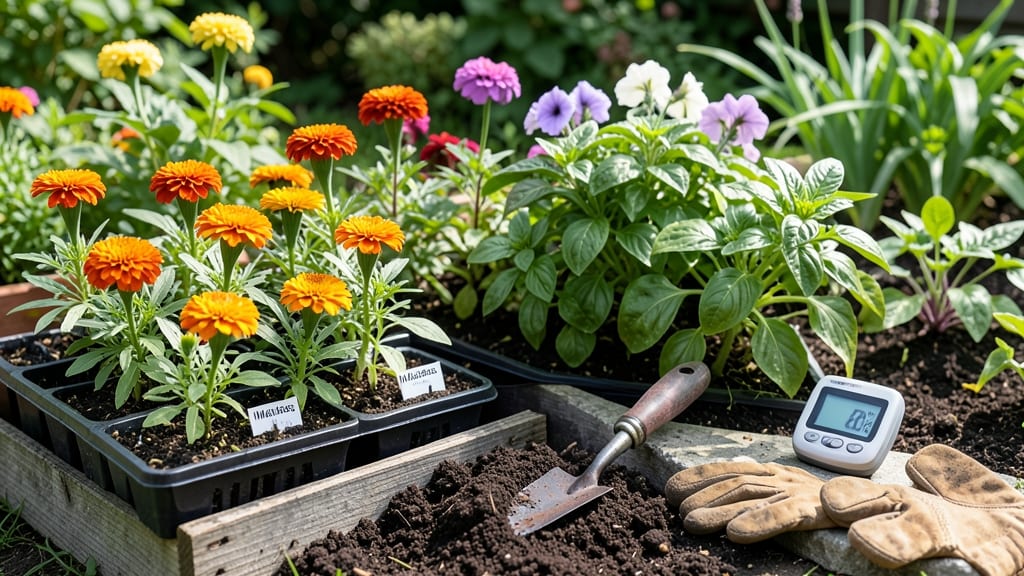
Timing your annuals planting in NJ can feel like guessing whether your garden will get a late frost or an early heatwave—but getting it right means vibrant blooms and bountiful harvests all season long.
With USDA Zones 6b-7a, New Jersey’s climate creates unique challenges for gardeners. The last frost typically arrives between mid-April in the north and early April in the south, but that doesn’t mean you can just start planting.
Cool-season annuals like pansies need to go in the ground 4-6 weeks before that final frost, while heat-loving varieties like basil and marigolds won’t thrive until soil temperatures hit at least 60°F.
I’ve spent years testing what works best in my own New Jersey garden, and the key is understanding how to adjust your planting schedule based on microclimates and unpredictable weather. Whether you’re growing flowers for color or veggies for your table, knowing the right window makes all the difference.
Let’s break down exactly when to plant your annuals this year—so you can enjoy a garden that’s always in bloom, no matter what Mother Nature throws your way.
New Jersey’s planting timeline for annuals by heat Zone (6b vs 7a)
New Jersey’s USDA Zones 6b and 7a create distinct planting windows for annuals, with northern NJ (Zone 6b) experiencing later last frosts and southern NJ (Zone 7a) enjoying longer growing seasons.
These differences mean 3-4 weeks of timing variation between regions—critical for heat-sensitive plants like basil or tomatoes versus hardy marigolds or cosmos.
The average last frost dates in NJ range from April 15 (Zone 7a) to May 1 (Zone 6b), while the first frost arrives between October 15 (Zone 6b) and November 1 (Zone 7a).
These dates determine whether you’ll plant cool-season annuals like lettuce in early spring or wait for warm-season favorites like peppers until soil warms.
🌱
| Planting Window | Zone 6b (Northern NJ) | Zone 7a (Southern NJ) | Key Notes |
|---|---|---|---|
| Cool-Season Annuals (e.g., Lettuce, Pansies) | March 15 - April 15 | March 1 - April 1 | Plant 4-6 weeks before last frost; use row covers for late frosts. |
| Warm-Season Annuals (e.g., Tomatoes, Marigolds) | May 15 - June 1 | April 20 - May 10 | Wait until soil reaches 60°F+; transplant after last frost. |
| Fall-Blooming Annuals (e.g., Zinnias, Cosmos) | August 1 - September 1 | July 15 - August 15 | Plant 10-12 weeks before first frost for continuous blooms. |
| Heat-Tolerant Annuals (e.g., Okra, Lantana) | May 1 - June 15 | April 1 - May 15 | Direct-sow after last frost; thrives in 90°F+ heat. |
| Succession Planting (e.g., Basil, Radishes) | Every 2-3 weeks until July 15 | Every 2-3 weeks until August 1 | Extend harvests by sowing new seeds every 3 weeks. |
For Zone 6b gardeners, the shorter season means prioritizing fast-maturing varieties like bush beans (50 days) or cosmos (60 days), while Zone 7a allows for longer-season crops such as okra (120 days) or sunflowers (100 days).
Always check seed packets for days-to-maturity and align them with your local frost dates.
🌿
One of the biggest mistakes NJ gardeners make is planting warm-season annuals like peppers too early. Soil temperatures below 55°F stunt growth, leading to blossom-end rot or poor germination. Use a soil thermometer to confirm 60°F+ before transplanting heat lovers.
For cool-season plants, harden off seedlings gradually to avoid transplant shock when moving them outdoors before the last frost.
🪴
Pro tip: Southern NJ gardeners can push the envelope with late-summer plantings of heat-tolerant annuals like celosia or portulaca, which thrive in 90°F+ conditions. Meanwhile, northern NJ gardeners should focus on early starts for cool-season herbs like cilantro or dill, which bolt quickly in summer heat.
💧
To track your local frost dates, consult the NJAES Garden Guide or use the Old Farmer’s Almanac for NJ-specific forecasts. For a foolproof method, plant test crops like radishes (25 days) or bush beans (50 days) to gauge your soil’s readiness. Adjust your planting schedule based
How to adjust planting times for NJ’s microclimates and unpredictable weather
New Jersey’s microclimates can throw off even the best-laid planting plans. Coastal areas like Cape May experience milder winters, while inland regions near the Delaware Water Gap face harsher frosts—sometimes just 20 miles apart.
To succeed, I’ve learned to adjust planting times based on local frost patterns, heat waves, and even urban heat islands in cities like Newark.
Start by checking your last frost date—typically April 15 in southern NJ (Zone 7a) but May 1 in northern NJ (Zone 6b). However, late frosts in May aren’t unheard of, so I always keep row covers or a cold frame handy for tender seedlings like basil or petunias.
🌱
- 📅 Plant warm-season annuals (tomatoes, peppers) only after soil reaches 60°F—use a soil thermometer to confirm.
- 🌡️ Monitor heat waves—if temps hit 90°F+, shade leafy greens (like lettuce) with shade cloth to prevent bolting.
- 🌬️ Adjust for wind—coastal gardens need staking or windbreaks for tall annuals like sunflowers or cosmos.
- 🌧️ Succession plant every 2 weeks in spring/fall to extend harvests—try bush beans or zinnias for continuous blooms.
- 📊 Track local data—use NJAES Garden Guide or Pest Alert NJ for real-time frost/heat advisories.
For fall planting, aim for September 1-15 in southern NJ and September 15-30 in the north. Cool-season annuals like pansies or kale can handle light frosts, but I always plant them 6 weeks before the first frost (typically October 15 in Zone 6b).
Urban gardeners in Jersey City or Newark face extra challenges due to heat islands. I’ve found that drought-tolerant annuals like lantana or portulaca thrive here, while moisture-loving plants (like impatiens) need daily watering in summer. Mulching with straw or wood chips helps retain moisture and regulate soil temps.
If an early frost threatens, I never hesitate to harvest and replant. For example, marigolds sown in late August can still bloom until November if protected with a lightweight row cover.
And for herbs like cilantro, I direct-sow every 3 weeks in spring and fall to ensure a steady supply.
Remember: NJ’s weather is a moving target. By staying flexible and using these adjustments, you’ll turn unpredictable conditions into garden opportunities—not obstacles. 🌿