
Plants
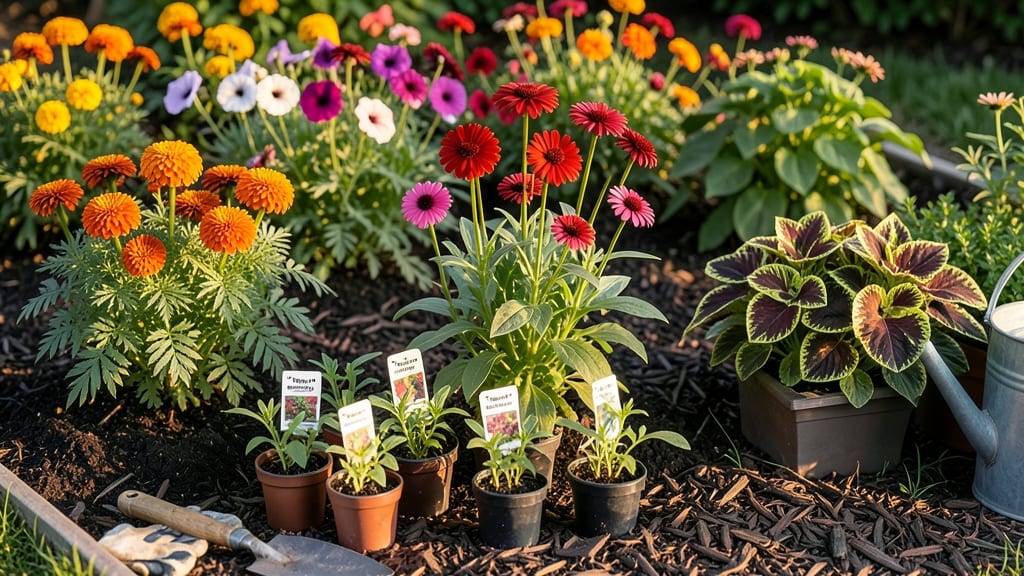
Timing your annuals planting in CT wrong could mean the difference between a garden bursting with 🌸 color and one struggling against frost. Connecticut’s 6a zone brings unique challenges—coastal areas warm faster than inland valleys, and urban heat islands create their own microclimates.
Get it right, and you’ll enjoy blooms from May through October; get it wrong, and you might be replanting by June.
Most gardeners know the general rule: wait until after the last frost, but Connecticut’s frost dates vary wildly—April 15 on average, but earlier in sheltered spots.
That’s why I’ve broken down the best planting windows for both spring and fall annuals, so you can avoid the common mistakes that leave gardens looking half-hearted.
Whether you’re planting marigolds for pest control or petunias for summer color, knowing when to start seeds indoors or transplant outdoors is the key.
What you’ll discover here are the exact dates to plant your favorite annuals, tailored to Connecticut’s three main microclimates.
We’ll cover how to extend your growing season with simple strategies, which annuals handle our unpredictable frosts best, and even how to adjust for your specific location—whether you’re in a city garden or a rural yard. No more guessing games, just a clear, actionable plan to make your garden thrive.
Ready to transform your garden from “meh” to “wow”? Let’s dive into the perfect planting schedule that actually works for Connecticut’s climate, so you can enjoy your annuals from first bloom to final harvest.
CT planting zones by microclimate: when to plant annuals safely
Connecticut’s diverse geography means frost dates can vary by up to 3 weeks between coastal areas and inland highlands.
The average last frost date for most of the state falls between April 15 and May 1, but coastal regions like New London or Groton often see frost-free conditions 1-2 weeks earlier than inland areas like Hartford or Torrington.
Highland areas, such as those near Litchfield Hills, may experience frost 2 weeks later due to colder air settling in valleys. Urban areas like Bridgeton or New Haven can have heat island effects, allowing tender annuals to thrive 10-14 days earlier than rural zones.
For hardy annuals like pansies, snapdragons, and calendula, you can start seeds indoors by late March and transplant outdoors 2-3 weeks before your local last frost date. Tender annuals, including marigolds, impatiens, and petunias, should wait until after May 15 for safe planting in most regions.
🌡️ Connecticut Planting Zones: Frost-Free Dates by Region
| Region | Last Frost Date | First Frost Date | Safe Planting Window | Notes |
|---|---|---|---|---|
| Coastal (New London, Groton, Stamford) | April 15 | October 20 | April 20 - May 10 | Warmer microclimate; extend season with row covers |
| Inland (Hartford, New Haven, Waterbury) | April 30 | October 10 | May 1 - May 15 | Standard frost dates; urban areas may be 1 week earlier |
| Highland (Litchfield Hills, Torrington) | May 10 | October 5 | May 15 - May 30 | Colder nights; wait for soil to warm |
If you’re unsure about your local frost date, use the National Weather Service or check USDA Plant Hardiness Zone Map for Zone 6a. For coastal gardeners, consider planting heat-loving annuals like geraniums or salvias as early as April 25—they’ll outperform in warmer conditions.
For fall planting, aim to sow seeds 8-10 weeks before your first frost date. Coastal areas can extend this to September 15, while inland regions should finish by September 1 to ensure blooms before frost.
Always monitor soil temperature—most annuals need 50°F+ soil to germinate. Use a soil thermometer or wait until nighttime temps stay above 40°F for 5 consecutive days before planting tender varieties.
Pro tip: Urban gardeners can push limits by planting microgreens or lettuce under row covers as early as March 15, even if frost is still possible. These fast-growing annuals will give you early harvests before traditional planting windows open.
🌱
How to extend your planting season in CT using frost-proof strategies
Connecticut’s unpredictable frost patterns can cut your annual blooms short—but don’t let that stop you! With the right strategies, you can extend your planting season by 4-6 weeks on either end.
Whether you’re in coastal New Haven or inland Hartford, these tactics will help you beat frost and maximize blooms.
Start by using row covers or cold frames to protect tender seedlings. These simple tools can raise soil temperatures by 5-10°F, allowing you to plant 2-3 weeks earlier in spring or 2 weeks later in fall.
For example, marigolds and zinnias can thrive under covers until May 1 instead of waiting for May 15.
🌱 4 Frost-Proof Strategies for CT Gardeners
- Row Covers: Use lightweight fabric to protect seedlings from light frosts (down to 28°F). Remove during the day for pollination.
- Cold Frames: Create a mini greenhouse with clear lids to trap heat. Ideal for hardy annuals like pansies and snapdragons.
- Succession Planting: Stagger plantings every 2 weeks to ensure continuous blooms. Start with fast growers like basil and cosmos.
- Heat-Loving Annuals: Choose drought-tolerant varieties like lantana or portulaca for late-season planting (up to September 15).
For coastal CT, where frost arrives later, focus on fall planting of cool-season annuals. Plant sweet alyssum or calendula by August 15—they’ll bloom until first frost (typically October 15). Inland areas should aim for August 1 to avoid early frosts.
Don’t forget mulching! A 2-3 inch layer of straw or shredded leaves insulates soil and keeps roots 5°F warmer. This is especially helpful for tender annuals like impatiens or geraniums, which struggle with temperature swings.
Pair mulch with evening watering (before 8 PM) to prevent frost damage.
Pro tip: Use a 4-week pre-planting