
Plants
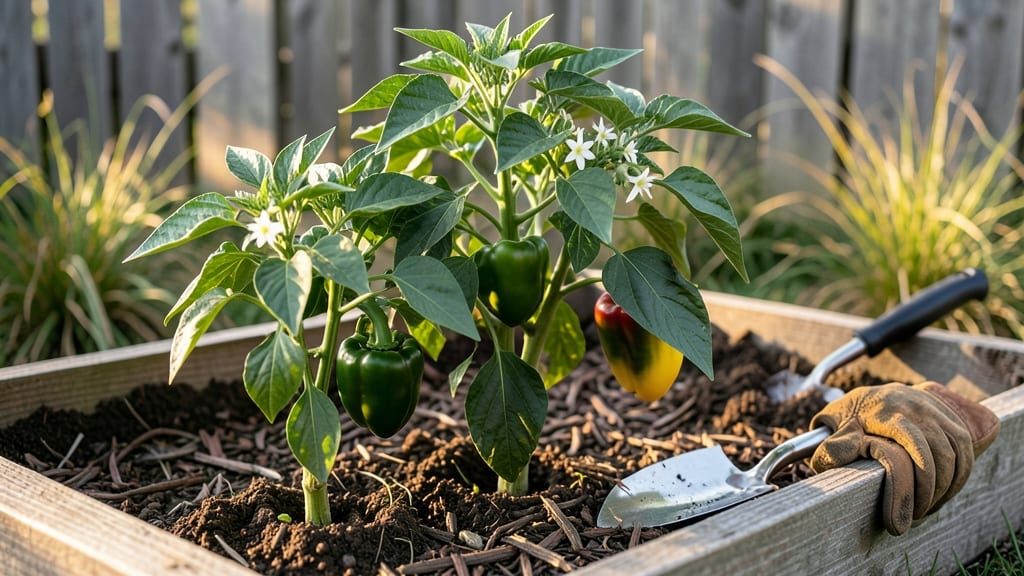
Timing your 🌶️ bell pepper planting in Oklahoma isn’t just about the calendar—it’s about beating frost, embracing heat, and working with your microclimate’s quirks. Skip the guesswork, and you could end up with stunted plants or missed harvests, no matter how much care you put in.
Most gardeners in Oklahoma’s 6b-8a zones know the struggle: plant too early, and a late frost wipes out your seedlings. Too late, and the summer heat zaps their energy before they even fruit.
The sweet spot? Waiting until soil temps hit 60°F—usually between April 15 and May 30—but that’s just the start.
Here’s the game-changer: Oklahoma’s regions vary wildly. The panhandle’s dry heat demands earlier planting, while Tulsa’s humidity might push you toward late May.
I’ll break down exactly when to start seeds indoors or transplant seedlings in your specific corner of the state—plus how to stretch your growing season for a fall harvest.
Ready to turn your garden into a pepper powerhouse? Let’s dive into the microclimate-specific deadlines that’ll have you harvesting crisp, flavorful peppers from July through November—no frost risk, no wasted effort.
Oklahoma’s microclimate zones: when to plant bell peppers by region
Oklahoma’s diverse microclimates mean your bell pepper planting timeline should depend on where you live. From the humid east to the dry panhandle, each region has unique frost risks and soil warming patterns.
Let’s break down the best planting windows for Oklahoma City, Tulsa, Lawton, and the panhandle to ensure zero frost damage.
Bell peppers thrive in warm soil (at least 60°F) and can’t tolerate frost. Oklahoma’s last frost typically ranges from late March in the southeast to mid-April in the panhandle. Planting too early risks cold-sensitive seedlings, while waiting too long may stunt growth before harvest season.
Here’s your region-specific planting guide, including soil temperature tips and ideal transplant dates to maximize your bell pepper harvest.
| Region | USDA Zone | Last Frost Date | Ideal Planting Window | Soil Temp Requirement |
|---|---|---|---|---|
| Oklahoma City | 7a-7b | April 1-15 | April 20 - May 10 | 60°F+ |
| Tulsa | 7a-7b | March 25 - April 5 | April 15 - May 5 | 60°F+ |
| Lawton | 7b-8a | March 20 - April 1 | April 10 - April 30 | 60°F+ |
| Panhandle (Amarillo) | 7b-8a | April 1-15 | April 25 - May 10 | 65°F+ (warmer soil needed) |
🌱 Pro Tip: Use a soil thermometer to confirm 60°F+ before planting.
For fall planting, aim for August 1 - September 15 in most regions. Bell peppers need 90-100 days to mature, so late-season plantings should be heat-tolerant varieties like ‘Carmen’ or ‘Aristotle.’ In the panhandle, where summers are hotter, consider shade cloth to protect plants from sunscald.
If you’re starting seeds indoors, begin 8-10 weeks before your last frost date. Seedlings need 70-80°F soil to germinate, so use a heat mat if your home is cool. Harden off seedlings for 7-10 days before transplanting to avoid shock.
In elevated areas like the Wichita Mountains, frost risk lingers longer. Monitor local weather forecasts and use row covers if nights dip below 50°F after transplanting. This extra protection can extend your growing season by 2-3 weeks.
For container gardening, black pots warm up faster than plastic or ceramic. Place containers in south-facing spots and use self-watering systems to maintain consistent moisture. Containers also allow you to move plants to shadier spots during Oklahoma’s 100°F+ heat waves.
Remember, soil preparation is key. Amend your garden beds with compost and a balanced fertilizer (10-10-10) before planting. Bell peppers prefer slightly acidic soil (pH 6.0-6.8), so test your soil in early spring and adjust with lime or sulfur if needed.
By following these region-specific deadlines, you’ll avoid the two biggest mistakes: planting too early and risking frost or waiting too late and missing the harvest window. With the right timing, you’ll enjoy juicy, homegrown bell peppers from July through October.
How to extend your bell pepper growing season in Oklahoma
Oklahoma’s short growing season and scorching summers can limit your bell pepper harvest, but with the right strategies, you can enjoy fresh peppers from spring through fall. The key is to start early, protect young plants, and choose varieties that thrive in heat.
By extending your season, you’ll maximize your yield and avoid disappointment when summer arrives.
One of the most effective ways to get a head start is by starting seeds indoors 8-10 weeks before your last frost date. For most of Oklahoma, this means beginning in early March.
Use seed trays with well-draining soil and place them under grow lights or in a sunny window. Once seedlings are 2-3 inches tall and have true leaves, they’re ready to harden off and transplant outdoors after the last frost.
For late-season protection, consider using shade cloth or drip irrigation to keep plants hydrated and cool during Oklahoma’s infamous summer heat. Drip irrigation delivers water directly to the roots, reducing stress and preventing leaf burn.
Pair this with a thick layer of mulch (3-4 inches) to insulate the soil and maintain even moisture levels.
Don’t overlook the power of companion planting to extend your harvest. Planting bell peppers near basil, marigolds, or onions can deter pests like aphids and spider mites, which thrive in Oklahoma’s heat.
Additionally, these companions improve flavor and yield, giving you more time to enjoy homegrown peppers before the first frost.
With these strategies, you can turn Oklahoma’s challenging climate into an advantage. By starting early, protecting young plants, and choosing the right varieties, you’ll enjoy a longer harvest window and a more productive garden. Happy growing! 🌱