
Companion Plants
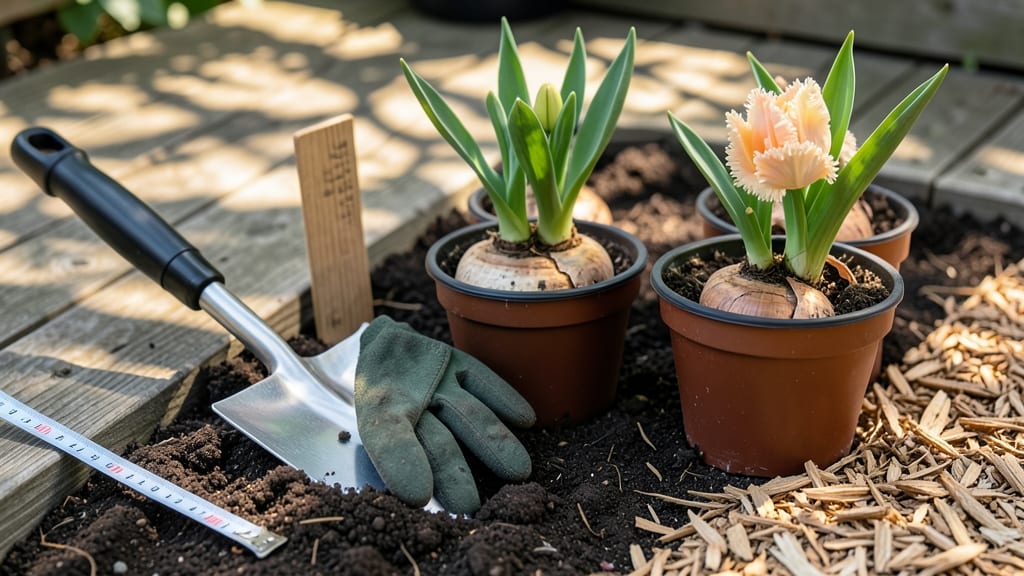
Planting potted tulips in the ground at the wrong time can mean the difference between vibrant spring blooms and disappointment. The key to success lies in understanding your local climate and timing it perfectly—whether you're in a chilly Zone 6a or a warmer region.
For most gardeners, the ideal window opens in fall, about 4-6 weeks before the ground freezes. This gives those dormant bulbs just enough time to establish roots before winter sets in. But if you missed that boat, don't worry—spring planting can still work with the right adjustments.
I'll walk you through the exact deadlines for your zone, plus how to spot when your tulips are truly ready to transition from pot to soil. No more guessing—just clear, actionable steps to ensure your 🌷 tulips thrive and put on a show next spring.
Let’s dive into the specifics so you can plant with confidence and avoid common pitfalls that sabotage blooms. Your future garden will thank you!
USDA planting zones & exact deadlines for potted tulips
Planting potted tulips in the ground at the wrong time can leave your bulbs struggling to establish roots before winter—or worse, rotting in soggy soil. The key is understanding your USDA hardiness zone and planting 4-6 weeks before the first frost to give roots time to anchor.
In warmer zones (8-10), you can plant as late as December, while colder zones (3-5) need bulbs in the ground by early October.
Fall planting is ideal because tulips need a cool dormancy period to develop strong roots. If you miss this window, spring planting is possible—but only if you’re in a mild zone (7+) and plant bulbs as soon as soil is workable (around March-April).
In colder zones, spring planting risks weak blooms or no flowers at all.
Here’s how climate affects your timeline: In Zone 3-5, ground freezes by late October, so aim for September planting. In Zone 6-7, you’ve got until mid-November. Zones 8-10 can plant through December, but avoid soggy winter soils.
Pro tip: Use your average first frost date as your deadline. For example, if frost hits November 15, plant by October 15. Check local weather trends—some years frost comes early!
| USDA Zone | Fall Planting Window | Spring Planting Window | Key Consideration |
|---|---|---|---|
| 3-5 | September 15 - October 15 | Not recommended | Early frost risk; plant early |
| 6-7 | October 1 - November 15 | March 15 - April 15 | Balanced frost timing |
| 8-10 | November 1 - December 15 | February 1 - March 15 | Mild winters; avoid soggy soil |
Soil temperature matters just as much as air temperature. Tulip bulbs need soil to be below 60°F (15°C) for root growth. Use a soil thermometer to check—if it’s still warm, wait a few weeks. In containers, roots may struggle to cool down, so transplant sooner rather than later.
Another critical factor is daylength. Tulips in Zones 3-5 need shorter days to trigger dormancy. If you’re in a long-day zone (6+), consider planting Darwin Hybrid tulips, which handle longer daylight better.
For a foolproof approach, mark your calendar 6 weeks before your first frost and plant then. If you’re unsure about your zone, use the USDA Zone Finder tool to pinpoint your exact location. Even a one-week delay can reduce bloom quality, so don’t wait!
Remember: Potted tulips need well-draining soil to prevent rot. Amend heavy clay with compost or sand before planting. In waterlogged areas, raise beds or plant on a mound to improve drainage.
Signs your potted tulips are ready for ground planting (and how to Prep them)
Transplanting potted tulips too early can shock their delicate roots, while waiting too long risks overcrowded containers. Look for these 3 key signs that your bulbs are ready to move: green shoots breaking through the soil, root growth circling the container bottom, and leaf emergence reaching 2-3 inches tall.
These indicate the bulb has broken dormancy and is eager to establish itself in garden soil.
First, check for root congestion—if roots are densely packed or growing in circles, your tulips need more space. Gently remove the bulb from its pot and inspect: healthy roots should be white and firm, not mushy or brown.
If you spot root rot or mold, trim affected areas with sterilized shears before replanting to prevent soil-borne diseases.
Next, test your garden soil’s readiness. Tulips thrive in well-draining soil with a pH between 6.0-7.0. Use a simple soil test kit (available at garden centers) or do the "squeeze test": dampen soil and press—if it crumbles easily, it’s ideal.
Amend heavy clay with compost or perlite to improve drainage, and mix in a bulb-specific fertilizer (5-10-10 NPK ratio) at planting time.
🌱 Key Takeaways for Prepping Potted Tulips
- Root Check: Healthy roots = white and firm; trim rot before planting.
- Soil Prep: Loosen ground 6-8 inches deep; mix in compost.
- Fertilizer: 1 tbsp bulb fertilizer per bulb at planting.
- Timing: Plant when night temps stay above 40°F (5°C).
- Watering: Deep water 1 week before and 1 week after transplanting.
⏰ Pro Tip: Transplant on a cloudy day to reduce stress on bulbs.
When moving your tulips, dig a hole twice as wide as the bulb and 6-8 inches deep. Place the bulb in the center with the pointy end up—this ensures proper shoot growth. Space bulbs 4-6 inches apart to allow airflow and prevent fungal diseases.
If your climate experiences late frosts, wait until after the last frost date in your zone to avoid freezing tender new growth.
After planting, water deeply to settle the soil and eliminate air pockets. Mulch around the base with 2-3 inches of straw or shredded leaves to retain moisture and regulate soil temperature.
Avoid overwatering—soggy soil can cause bulb rot. For the first 2 weeks, water lightly every 5-7 days to encourage root establishment, then taper off as temperatures rise.
Monitor your newly planted tulips for signs of stress, like yellowing leaves or wilted stems, which may indicate transplant shock. If you notice these, trim damaged foliage and water at the soil line (not the leaves) to prevent fungal issues.
With proper timing and care, your potted tulips will reward you with bold blooms next spring—worth the wait!