
Plants
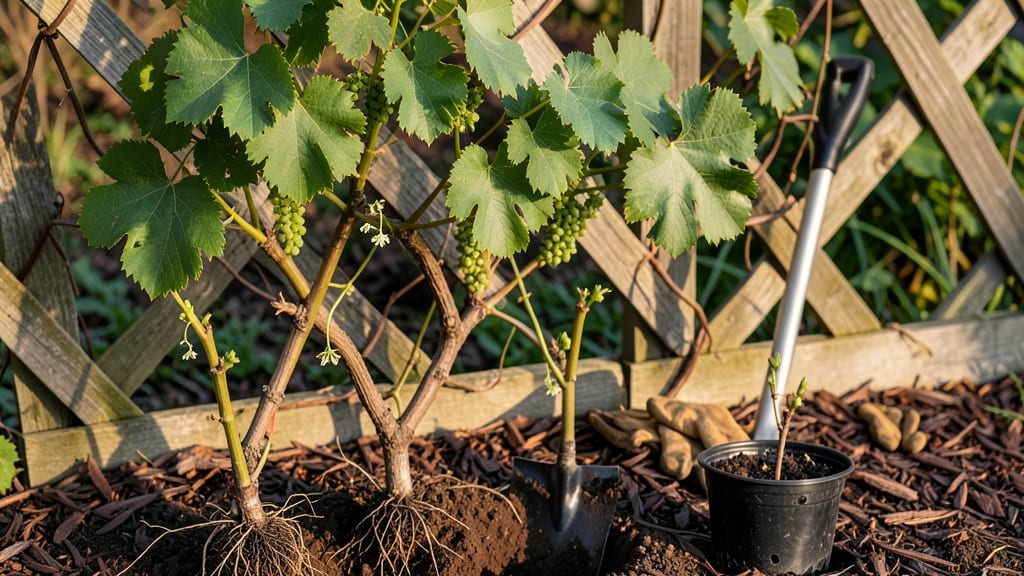
Timing your 🍇 grape vine planting in Texas isn’t just about the calendar—it’s about outsmarting the heat, avoiding transplant shock, and setting your vines up for a bountiful harvest in zones 8a-10b.
Whether you’re in North Texas or the Gulf Coast, planting too early or too late can mean the difference between thriving vines and struggling starts.
Most gardeners in Texas swear by late winter or early spring, but fall planting works too—if you time it right. The key is understanding your local frost dates and soil temperatures, which can vary wildly from February in the Panhandle to November near the coast.
Get this wrong, and your vines might struggle to establish roots before the next heatwave hits.
In this guide, I’ll break down the exact zone-specific windows for planting, whether you’re growing Muscadines in the Hill Country or Flame Seedless in the Rio Grande Valley.
You’ll also learn how to prep your soil, choose the right varieties for your climate, and even troubleshoot common mistakes that derail Texas grape growers.
Ready to plant with confidence? Let’s dive into the perfect timing—and why a little extra prep now means fewer headaches (and more grapes!) later in the season.
Texas grape vine planting calendar by hardiness zones (6-10)
Texas’ diverse climate zones—from North Texas’ chilly winters to the Gulf Coast’s humid heat—mean grape vines need zone-specific timing to thrive. Planting too early risks frost damage, while late planting delays root establishment. The key? Align with soil temperatures (60°F+) and local frost dates for optimal success.
For most of Texas (Zones 8a-10b), the ideal planting windows are late winter to early spring (February–March) or fall (October–November).
Fall planting lets vines establish roots before winter, while spring planting avoids heat stress. Drought-prone regions like West Texas benefit from fall planting to conserve moisture.
📅 Texas Grape Vine Planting Calendar by Zone
| Zone | Primary Planting Window | Soil Temp Requirement | Key Considerations |
|---|---|---|---|
| 6a (North Texas: Amarillo, Lubbock) | Late March–Early April | 55–60°F | Wait for last frost (March 15); use cold-hardy varieties like Concord. |
| 7b–8a (Dallas, Austin, San Antonio) | February–March or October–November | 60–65°F | Fall planting preferred; Flame Seedless thrives here. |
| 8b–9a (Hill Country, Coastal Bend) | January–February or September–October | 65–70°F | Avoid summer heat; Muscadine loves humidity. |
| 9b–10b (Houston, Gulf Coast) | December–January or August–September | 70–75°F | Plant in cool months; Thompson Seedless excels here. |
In North Texas (Zone 6a), grape vines like Concord or Niagara should wait until after the last frost date (March 15). Use row covers if planting earlier to protect young shoots. Soil temperature is critical—wait until it consistently stays above 55°F for root growth.
For Central Texas (Zones 7b–8a), like Austin or San Antonio, fall planting (October–November) is ideal. This gives vines time to establish roots before winter, reducing transplant shock. Flame Seedless grapes, a favorite for Texas’ heat, thrive when planted in fall.
In South Texas (Zones 9b–10b), where winters are mild, December–January is the sweet spot. Avoid summer planting—100°F+ soil can scorch roots. Thompson Seedless and Crimson Seedless varieties handle the heat well when planted early.
Pro tip: Use a soil thermometer to check temperatures before planting. 60°F+ ensures roots grow actively without stress. In drought-prone areas, mulch heavily to retain moisture during Texas’ brutal summers.
Container growing? Plant 1–2 months earlier than in-ground vines, as pots warm faster. Choose 5-gallon containers for dwarf varieties like Black Monukka to ensure root stability.
Remember: Texas A&M AgriLife Extension recommends spacing vines 6–10 feet apart for airflow, reducing fungal risks like powdery mildew. Train vines on a trellis or arbor to maximize sun exposure and fruit quality.
Texas grape vine planting calendar by hardiness zones (6-10)
Texas spans USDA hardiness zones 6-10, meaning your grape vine planting window varies dramatically from the Panhandle to the Gulf Coast.
In colder zones (6-7), aim for late February to early March after the last frost, while warmer zones (9-10) can plant as late as April or even fall (October-November) for cooler root establishment. The key is soil temperature—wait until it reaches 60°F+ at 4" depth.
Fall planting (October-November) works well in zones 8-10, giving vines time to establish roots before winter. However, avoid planting in November for zones 6-7, as early frosts can damage tender roots.
Always check your local Texas A&M AgriLife Extension for zone-specific frost dates—these vary by 5-10 days even within the same region.
Here’s a quick zone-by-zone breakdown to avoid common timing mistakes:
For container growing in urban areas (common in zones 8-10), extend your planting window by 2-3 weeks—containers warm up faster. Use black plastic pots to accelerate soil heating in spring.
Pro tip: Plant Muscadine varieties in fall (October)—they handle Texas’ heat better than European grapes and establish roots faster in cooler soil.
Timing isn’t just about months—it’s about dormancy cues. In zones 6-7, look for bud swell before planting; in zones 8-10, wait until new growth appears in spring or leaves fall in autumn. This natural rhythm beats guessing by calendar dates alone.
Remember: Overwatering after planting is the #1 mistake in Texas. Grape vines need deep, infrequent watering (1-2 gallons per vine) to encourage strong root growth. Use a soil moisture meter to check—roots need consistent moisture but not soggy soil. Mulch with wood chips to retain moisture and regulate temperature.
🌱