
Plants
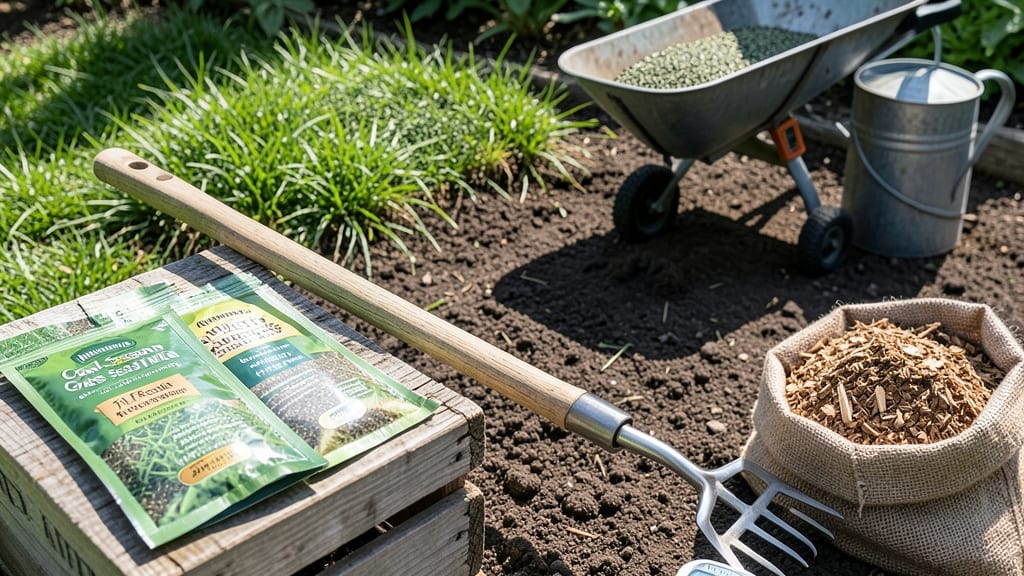
Planting grass seed in Minnesota isn’t just about grabbing a bag and scattering—it’s about outsmarting frost, heat, and the North Star State’s unpredictable weather. The wrong timing means wasted seed or stunted growth, while the right window gives you a thick, resilient lawn that survives harsh winters.
Let’s cut through the guesswork and pinpoint exactly when to plant in your specific zone.
Most Minnesota gardeners swear by early spring or late summer planting, but the 3b-5b zones have critical differences. Too early, and frost will kill tender sprouts; too late, and summer heat stunts root development.
We’ll break down the ideal planting windows—from March’s last frost to September’s cooling temperatures—so you know when to act.
Beyond timing, soil prep and seed selection make all the difference. Minnesota’s clay-heavy soils need special attention, and choosing the right grass type (like cold-hardy Kentucky bluegrass) sets you up for success. Let’s walk through the steps to ensure your lawn thrives from seed to maturity.
Ready to transform your yard into a lush green oasis? Stick with me, and I’ll show you how to plant at the perfect moment—no more second-guessing, just a flawless lawn that stands up to Minnesota’s challenges.
Minnesota grass seed planting deadlines by USDA hardiness zones (3-5)
Minnesota’s USDA Hardiness Zones 3-5 create unique challenges for grass seed planting. The average last frost date shifts from mid-May in Zone 3 to late May in Zone 5, while the first frost arrives as early as mid-October in Zone 3.
Cool-season grasses like Kentucky bluegrass and fine fescue thrive when planted during these narrow windows.
Your best bets are early spring (March-April) or late summer/early fall (September-October). Spring planting gives seeds 6-8 weeks of warm soil before summer heat, while fall planting lets roots establish before winter. Never plant when soil temps exceed 75°F—this stresses seeds and reduces germination rates.
| USDA Zone | Last Frost Date | First Frost Date | Ideal Planting Window | Soil Temp Threshold |
|---|---|---|---|---|
| Zone 3b | Mid-May | Mid-October | March 15-April 15 or September 1-15 | 45°F-65°F |
| Zone 4a | Late April | Late September | March 20-April 30 or September 10-25 | 45°F-65°F |
| Zone 4b | Early May | Early October | March 25-April 15 or September 15-30 | 45°F-65°F |
| Zone 5a | Late May | Mid-October | April 1-15 or September 20-October 5 | 45°F-65°F |
🌱 Plant when soil temps are consistently 45°F-65°F for best germination.
For Zone 3 gardeners, late March to mid-April is your prime window. Wait until the soil temperature reaches 45°F—use a soil thermometer to check. In Zone 5, you can push planting slightly later, but avoid May 15+ to prevent summer drought stress on young seedlings.
Fall planting in September-October works best when seeds have 4-6 weeks to germinate before the first frost. Aim for a 60-day window before ground freezes. Perennial ryegrass germinates fastest in cool temps, making it ideal for late-season planting.
Check your local Minnesota Department of Agriculture frost dates annually—they shift 1-2 weeks due to climate variability. Northern Minnesota (Zone 3) faces earlier frosts, while southern zones (4-5) have slightly longer growing seasons.
If you miss the spring window, don’t panic—late summer overseeding (August) can still work for cool-season grasses. Just ensure consistent moisture and protect new growth from late-season heatwaves with light mulch.
For warm-season grasses like Bermuda grass (less common in MN), plant in late spring (May-June) after the last frost when soil temps hit 65°F+. These varieties struggle in Minnesota’s winters and aren’t recommended for most lawns.
Pro tip: Use a seed germination calculator to estimate your local window. Input your zip code into tools like Minnesota State University Extension’s planting guide for hyper-local advice tailored to your microclimate.
Remember, Minnesota’s clay-heavy soils can delay warming—always test soil temps at 4-inch depth, not surface temps. Morning shade can make soil appear cooler than it is.
How to prepare Minnesota soil for grass seed success (before planting)
Prepping your Minnesota soil before planting grass seed is the secret weapon against thin, patchy lawns. The state’s clay-heavy soils and short growing season demand extra attention—skipping prep means seeds struggle to germinate, even with perfect timing.
Start by testing your soil pH (aim for 6.0-7.5), as Minnesota’s natural acidity can stunt grass growth.
Use a soil test kit from the University of Minnesota Extension—their free guides explain how to adjust pH with lime (to raise) or sulfur (to lower).
Apply amendments 8-12 weeks before planting to let them integrate into the soil. Clay soils also benefit from organic matter like compost or peat moss to improve drainage.
- 🌱 Test soil pH (use a kit or lab test) – Aim for 6.0-7.5
- 🪴 Remove debris – Clear rocks, weeds, and old grass clippings
- ✂️ Loosen top 2-3 inches – Use a rake or tiller (avoid deep tilling in clay)
- 💧 Add compost – Mix in 1-2 inches of compost or peat moss
- 🌡️ Protect from frost heave – Avoid working soil when temps fluctuate
⏰ Do this 4-6 weeks before planting for best results.
Weeds are your biggest enemy—they compete with grass seedlings for water and nutrients. Apply a pre-emergent herbicide (like corn gluten meal) 2 weeks before planting to block weed seeds. For existing weeds, spot-treat with vinegar-based sprays (avoid chemical herbicides near planting areas).
Minnesota’s frost heave (when soil expands and contracts) can uproot new seedlings. To prevent this, avoid tilling or planting when soil temps fluctuate between freezing and thawing. Wait until consistent daytime temps stay above 45°F for at least a week.
For high-traffic areas or bare spots, consider a starter fertilizer with high phosphorus (look for a 10-20-10 ratio). This boosts root development, helping grass establish faster in Minnesota’s cool, short growing season. Apply it lightly 1-2 weeks before planting.
Finally, level the soil—Minnesota’s clay can create uneven surfaces. Use a garden rake to smooth bumps and fill low spots with a topsoil-compost mix. A flat surface ensures even seed distribution and consistent watering, critical for germination.
Pro tip: If your yard has shady spots, choose fine fescue—it tolerates low light better than Kentucky bluegrass. Test your light levels with a sunlight tracker app to match grass types to your yard’s conditions.