
Plants
Optimal planting windows for Bermuda grass in SC by hardiness zones
South Carolina’s varied climate—from the coastal lowlands to the Upstate mountains—means your Bermuda grass planting window depends on your USDA hardiness zone. Most of SC falls in zones 7b-9a, where soil temperatures and frost dates dictate the best time to plant.
Aim for 65°F soil temps and consistent warmth to kickstart germination and root growth.
For seeds, the ideal window is late spring (March–April) or late summer (August–early September). Sod, however, establishes faster and can handle slightly cooler temps, so you can plant 2–4 weeks earlier than seeds.
The key is avoiding late spring frost risks and fall’s early cold snaps, which can stunt growth or kill young grass.
Here’s how to align your planting with SC’s microclimates. Coastal areas (e.g., Charleston, Myrtle Beach) in zone 8a can plant 2 weeks earlier than the Upstate (e.g., Greenville, Spartanburg) in zone 7b. Use the summary-table below to pinpoint your zone’s perfect timing.
| USDA Zone | Best Planting Window | Soil Temp Threshold | Key Consideration |
|---|---|---|---|
| 7b (Upstate: Greenville, Spartanburg) | April 15–May 15 (spring) or August 20–Sept 10 (fall) | 65°F+ (consistently) | Avoid late frost after March 15 |
| 8a (Piedmont: Columbia, Rock Hill) | March 20–April 10 (spring) or August 10–Sept 5 (fall) | 65°F+ (consistently) | Warmer soils = earlier planting |
| 9a (Coastal: Charleston, Myrtle Beach) | March 1–March 20 (spring) or July 25–Aug 15 (fall) | 65°F+ (consistently) | Humidity speeds germination |
Spring planting offers the longest growing season for Bermuda grass to establish before summer’s heat. However, fall planting (August–September) reduces water stress and weed competition, giving your lawn a head start in spring. For sod, fall is often the best choice—it roots deeply before winter dormancy.
If you’re in zone 7b and plant in late spring, monitor weather forecasts for unseasonal cold snaps. A light frost after planting can kill young grass. Use a row cover or straw mulch to protect seedlings if temps dip below 50°F at night.
In coastal zones, humidity can delay germination, so keep soil moist but not soggy.
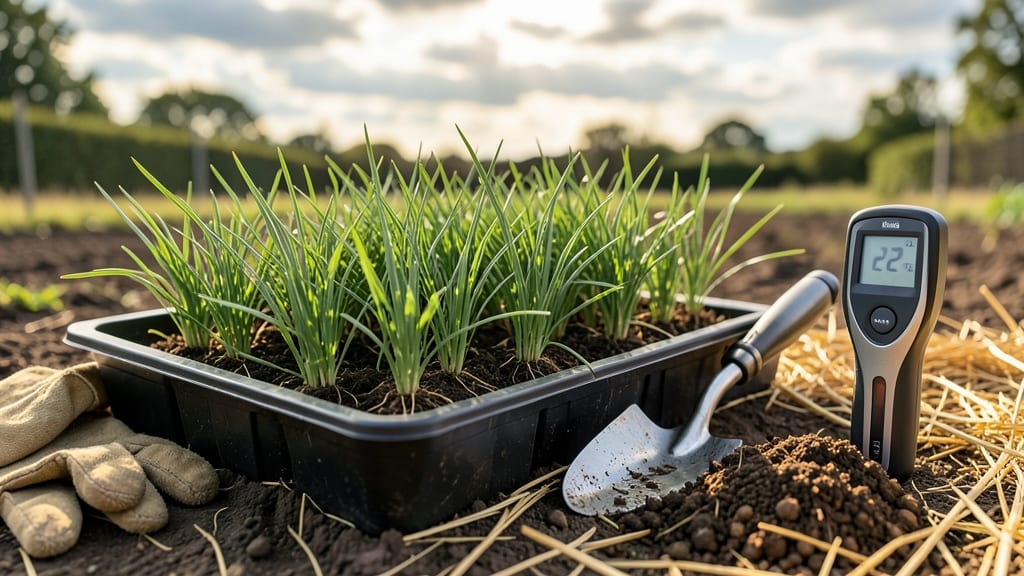
Pro tip: Use a soil thermometer to confirm temps. Bury it 4 inches deep—the depth where Bermuda grass roots will grow. If temps fluctuate below 60°F, wait 1–2 weeks before planting. Patience here saves weeks of recovery time later.
For sod, the window is slightly wider. You can lay sod as early as mid-March in coastal zones or late April in the Upstate, as sod tolerates cooler soil temps than seeds.
Just ensure the ground isn’t frozen or waterlogged. Roll out sod on dry, sunny days to speed up rooting.
Remember: Bermuda grass is a warm-season grass, meaning it goes dormant in winter. Planting too late in fall (after October 1) risks weak establishment before dormancy. In zone 9a, you can push fall planting to early November, but September is still ideal for most of SC.
🌱
Optimal planting windows for Bermuda grass in SC by hardiness zones
South Carolina’s climate—with its humid subtropical conditions and USDA Zones 7b-9a—creates two ideal windows for planting Bermuda grass. Timing matters because seeds need consistent soil temps above 65°F to germinate, while sod thrives when roots can establish before summer heat peaks.
Miss these windows, and you’ll face slow growth or dormancy.
For seeds, aim for early spring (March–April) when frost risk fades but before summer’s intensity. For sod, late summer (August–early September) works best—roots anchor before fall’s cooler temps slow growth. Both methods avoid SC’s late spring heat waves, which can stress young grass.
Here’s how to adjust timing by zone: - Zone 7b (Piedmont): Plant seeds by April 15 or sod by September 1 to avoid early freezes. - Zone 8a (Coastal): Extend seed planting to May 1 and sod to September 15 due to milder winters. - Zone 9a (Charleston): Seed planting can stretch to May 10, but sod must go in by August 20 to establish before monsoon rains.
| Zone & Region | Seed Planting Window | Sod Planting Window | Soil Temp Threshold |
|---|---|---|---|
| 7b (Upstate: Greenville, Spartanburg) | March 15–April 15 | August 1–September 1 | 65°F+ (consistent) |
| 8a (Midlands: Columbia, Florence) | March 1–May 1 | July 20–September 15 | 65°F+ (consistent) |
| 9a (Coastal: Charleston, Hilton Head) | March 1–May 10 | July 15–August 20 | 68°F+ (warmer coastal soils) |
Pro tip: Use a soil thermometer to confirm temps. Bury it 4 inches deep—Bermuda grass roots need warmth to activate. If temps dip below 60°F at night, delay planting until stability returns. Coastal areas often warm faster due to maritime influence, so adjust accordingly.
For sod, prioritize late summer because established roots handle summer’s heat better. If you plant too early, sod may go dormant before anchoring. For seeds, spring’s cooler mornings reduce stress on sprouts, while summer’s intensity can scorch them without proper hydration.
Remember: Bermuda grass is a warm-season grass, meaning it thrives when temps stay above 80°F during the day. Planting too late in spring risks heat shock; planting too early in fall may leave it vulnerable to early frosts.
Balance is key—aim for 6–8 weeks of warm growing conditions post-planting.