
Plants
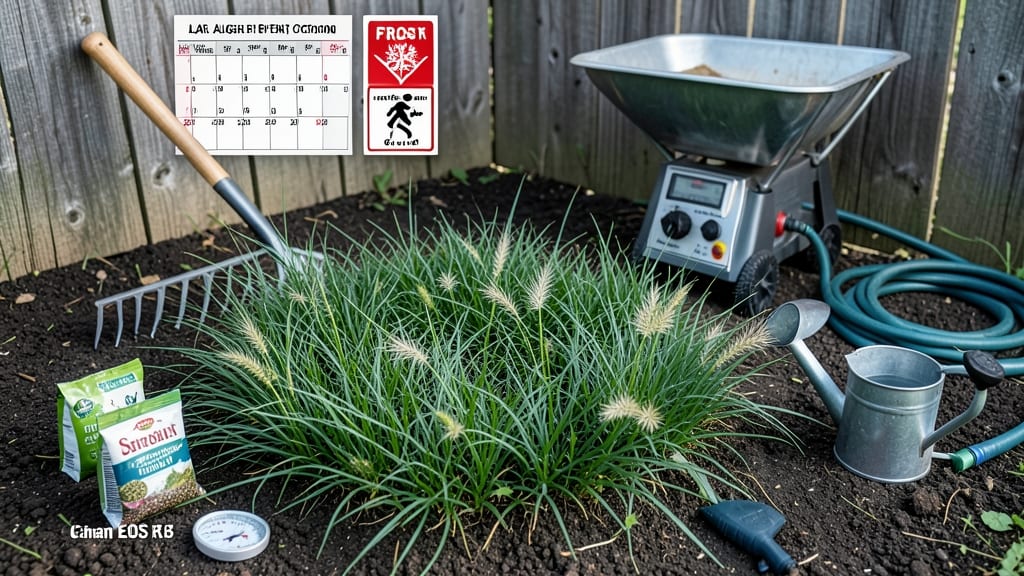
Knowing when is it too late to plant grass seed in Michigan could mean the difference between a lush, green lawn and a patchy, weak one next summer.
With Michigan's unpredictable weather—from late spring frosts to early fall freezes—timing your grass seed planting just right is critical for strong root establishment.
Most gardeners in zones 5b-6b aim to plant in early spring or early fall, but life happens, and sometimes you miss the ideal window. The good news?
With the right strategies, you can still plant 🌱 Grass (Turfgrass) later than you think—if you understand the risks and how to prepare your soil for success.
In this guide, I’ll break down the last safe dates for planting in your specific zone, how to extend your planting window, and what to watch for if you’re pushing the limits.
Whether you’re dealing with drought concerns, soil temperature challenges, or regional variations between northern and southern Michigan, you’ll find the answers you need to make your lawn thrive.
Let’s dive into the science and practical tips so you can confidently plant grass seed—even when the calendar says it’s too late.
Michigan’s last safe grass seed planting dates by hardiness zone (2024 guide)
Michigan’s USDA hardiness zones 5a-6b create a 6-week window for planting grass seed—too late, and your lawn risks shallow roots or winter die-off. Northern Michigan (zone 5a) has earlier deadlines than southern Michigan (zone 6b), with soil temperature being the critical factor.
Most grass varieties need 50-60°F soil temps to germinate reliably.
For cool-season grasses (Kentucky bluegrass, fescue, ryegrass), your last safe planting date falls between late August and mid-September, depending on your zone. Warm-season grasses (like Bermuda) are rare in Michigan but can be planted until late June—though they’re not ideal for our climate.
Always check your local frost dates to time planting 4-6 weeks before frost.
Soil temperature is more important than air temperature. Use a soil thermometer ($10 at garden centers) to confirm temps are above 55°F at 4-inch depth. If temps drop below 50°F before germination, your seed will fail to sprout. In northern Michigan (zone 5a), this usually means late August is your cutoff.
Here’s the zone-by-zone breakdown of Michigan’s last safe planting dates, including soil temp thresholds and frost risk windows:
| Zone | Last Safe Planting Date | Soil Temp Threshold (°F) | Frost Risk Window | Grass Types |
|---|---|---|---|---|
| Zone 5a (UP, Northern MI) | Late August | 55°F+ at 4" | First frost: Early Oct | Tall fescue, fine fescue, ryegrass |
| Zone 5b (Traverse City, Grand Rapids) | Mid-September | 55°F+ at 4" | First frost: Mid-Oct | Kentucky bluegrass, perennial ryegrass |
| Zone 6a (Detroit, Lansing) | Early October | 50°F+ at 4" | First frost: Late Oct | All cool-season grasses |
| Zone 6b (Southwest MI) | Mid-October | 50°F+ at 4" | First frost: Early Nov | All cool-season grasses |
If you’re in zone 5a and plant after August 25, your grass may not establish strong roots before winter. In zone 6b, you can push it to October 15, but only if soil temps stay above 50°F.
Always test your soil—cool, wet autumns can delay germination even if dates align.
For overseeding (adding seed to an existing lawn), you have a 2-week grace period past these dates. Overseeded grass doesn’t need to establish deep roots before winter, so you can plant until mid-October in zone 5a or late October in zone 6b.
Just avoid fertilizing after September 1 to prevent winter burn.
Pro tip: Use a black plastic mulch to warm soil by 10-15°F if you’re planting near the cutoff. Lay it down 1 week before seeding to create a microclimate that extends your planting window by 7-10 days. Just remove it once grass sprouts to avoid smothering.
Remember, late planting ≠ failure. With the right grass variety (like tall fescue for drought tolerance) and soil prep, you can still get a dense lawn—but expect slower establishment the first year. Next spring, focus on light fertilization and deep watering to help weak roots recover.
🌱
How to extend your grass seed planting window with soil prep and variety choices
If you missed Michigan’s ideal planting window, don’t panic—with the right strategies, you can push your grass seed just a little further. Soil temperature and grass type are your biggest allies here.
Cool-season grasses like Kentucky bluegrass and tall fescue can handle late plantings better than warm-season varieties like Bermuda grass, which struggle in Michigan’s cooler climate.
Start by warming your soil. Use a black plastic mulch or straw cover to raise soil temps by 5-10°F over 2-3 weeks. This gives seeds a head start before frost arrives. For northern Michigan (Zone 5a), aim to plant by late August—any later risks winter kill before roots establish.
Choose frost-tolerant varieties like ‘Titan’ tall fescue or ‘Midnight’ Kentucky bluegrass, which handle cooler temps better. These types can germinate at 50-55°F soil temps, while standard seeds need 60°F+.
Test your soil’s moisture too—dry conditions in late summer can stall germination, so keep it consistently damp for 2-3 weeks post-planting.
✅ DO THIS
- Use black plastic mulch to warm soil
- Pick frost-tolerant seeds (e.g., tall fescue)
- Water deeply 2x/day for 14 days
- Test soil pH (ideal: 6.0-7.0)
❌ AVOID THIS
- Plant after Sept 15 (frost risk rises)
- Skip soil testing (pH affects germination)
- Over-fertilize (burns new seedlings)
- Use warm-season seeds (fail in cool climate)
For southern Michigan (Zone 6b), you’ve got a bit more wiggle room—plant by early October if soil temps stay above 55°F. But time is tight: seeds need 4-6 weeks to establish roots before winter.
Use a starter fertilizer with high phosphorus (e.g., 10-20-10) to boost root growth, but avoid nitrogen-heavy blends that encourage top growth over roots.
Pro tip: Overseed in spring if your late planting fails. Focus on high-traffic areas first—they’ll show results faster. And if you’re in doubt, check Michigan State University’s Lawn Calendar for real-time soil temp updates. Every degree counts when you’re racing the clock!
Remember, even late plantings can succeed with patience. Monitor your lawn closely—slow germination is normal in cooler temps. With the right prep, you might just pull off a green lawn next summer despite the late start. 🌱