
Companion Plants
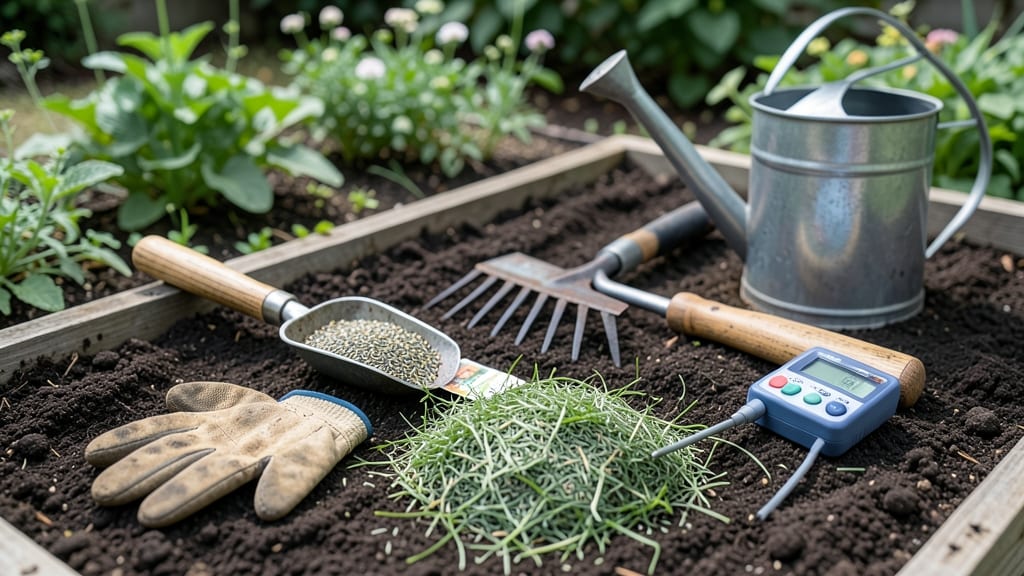
Timing your grass seed planting in spring can mean the difference between a lush, green lawn and weeks of patchy growth—or worse, wasted seed money. The key lies in balancing soil temperature, frost dates, and your local climate, especially in zones like 6a, where unpredictable weather makes planning tricky.
Most gardeners rush to plant as soon as the snow melts, but cool soil and lingering frost can turn your effort into a failed lawn. Instead, focus on soil temps hitting 50°F consistently—this ensures your 🌱 grass seeds germinate strong and survive early-season fluctuations.
In Zone 6a, aim for late March to early April, when the last frost typically passes around April 15. Planting 4-6 weeks before your frost-free date gives seedlings time to establish roots without racing against cold snaps.
I’ll break down exactly how to check soil temps, adjust for your microclimate, and avoid common mistakes that derail even the best-laid plans. Ready to grow a lawn you’ll actually enjoy?
The perfect soil temperature for planting grass seed in spring
Spring’s soil temperature is the single most critical factor in successful grass seed germination. Too cold, and your seeds rot; too warm, and they dry out before sprouting.
The ideal soil temperature range for planting grass seed in spring is between 50°F and 65°F, with cool-season grasses like Kentucky Bluegrass thriving at the lower end and warm-season grasses like Bermuda needing the upper range.
Most gardeners in USDA Zones 5-7 (where spring planting is most common) should wait until soil temperatures consistently stay above 50°F for at least 5 days.
In colder northern regions, this might mean waiting until late April or early May, while southern gardeners in Zones 8+ can plant as early as February or March—but only if soil temps are stable.
To test your soil temperature at home, use a soil thermometer (available for under $10). Insert it 2 inches deep (where seeds will germinate) in a shady spot, and check readings in the morning. Morning consistency is key—if temps fluctuate wildly between day and night, wait a few more days.
Here’s why timing matters: Cool-season grasses (like Fescue and Ryegrass) germinate best at 50-65°F and can handle light frosts, while warm-season grasses (like Zoysia or Centipede) need 65-75°F to sprout.
Planting too early risks frost damage or seed washout, while planting too late may lead to weed competition or heat stress.
Regional variations play a huge role. In the Pacific Northwest, where springs are cool and wet, aim for early April planting. In the Midwest, wait until late April to early May when frost risk drops.
Southern gardeners in Texas or Florida can plant as early as January or February, but must monitor for sudden cold snaps.
Pro tip: If you’re unsure about your local frost dates, check the USDA Plant Hardiness Zone Map and cross-reference with your local agricultural extension office. They provide hyper-localized frost data that generic online tools often miss.
| Grass Type | Ideal Soil Temp (°F) | Germination Time | Best Planting Window | Regions to Avoid Early Planting |
|---|---|---|---|---|
| Cool-season (Kentucky Bluegrass, Fescue, Ryegrass) | 50-65°F | 7-21 days | 2-4 weeks before last frost | Southern states (Zone 8+) |
| Warm-season (Bermuda, Zoysia, Centipede) | 65-75°F | 14-28 days | After last frost (late spring) | Northern states (Zone 4-6) |
If you’re planting cool-season grasses, aim for a window 2-4 weeks before your last frost date. This gives seedlings time to establish roots before summer heat arrives. For example, in Zone 5, where the last frost is typically May 15, plant in early to mid-April.
For warm-season grasses, wait until soil temperatures are consistently above 65°F—usually late spring to early summer. In Zone 7, this might mean planting in June or July.
The key is to avoid planting when daytime temps exceed 85°F, as seeds can dry out before germinating.
One common mistake is relying on air temperature instead of soil temperature. A sunny 70°F day might feel perfect, but if the soil is still 45°F below, your seeds won’t sprout. Always check the soil—it’s the true indicator of planting readiness.
Once you’ve confirmed the right conditions, act fast. Grass seeds have a short window for germination, especially in spring’s unpredictable weather. With the right soil temperature and timing, you’ll see sprouts in as little as 7 days—and a lush lawn in just a few months! 🌱
How to calculate your frost-free date for grass seed planting
Determining the frost-free date is the single most important step in timing your grass seed planting for spring success. A late frost can wipe out tender seedlings in days, while planting too early risks seed rot or uneven germination.
The key? A 2-4 week buffer between your last frost date and planting to ensure seedlings have time to establish strong roots before summer heat arrives.
Start by finding your USDA Plant Hardiness Zone—this tells you your region’s average last frost date.
For example, in Zone 6a (like much of the Midwest), the average last frost is April 15, but you’ll want to plant 4-6 weeks earlier (early March to early April) to account for soil warming and seedling growth.
If you’re in Zone 8 or warmer, your window shifts to late winter or early spring, but always verify with local data.
Don’t rely solely on the USDA map—microclimates (like hills, valleys, or urban heat islands) can shift frost dates by 1-2 weeks. For instance, a south-facing slope may warm up faster than a shaded area.
Check your local agricultural extension office or use tools like the National Oceanic and Atmospheric Administration (NOAA) frost calendar for hyper-local accuracy.
Here’s a quick **5-step