
Plants
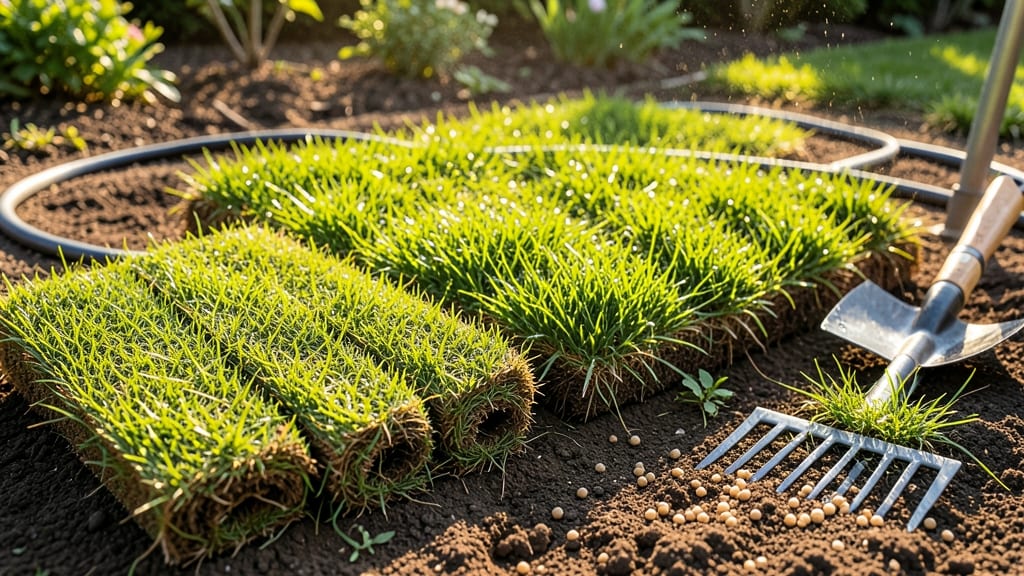
If you've ever stared at a patchy, struggling Bermuda grass lawn in Texas and wondered when is the best time to plant Bermuda grass, you're not alone. The difference between a lush, heat-resistant lawn and one that fights for survival often comes down to timing—especially in Texas's extreme climate.
Texas's 8a-10b zones demand precision when planting 🌱 Bermuda Grass, which thrives in heat but needs the right conditions to take root. Plant too early, and you risk frost damage; too late, and the scorching sun can stress young grass.
The sweet spot? Late spring (April-May) or early summer (June), when soil temperatures hit that critical 65°F mark.
But here's the kicker: your location matters. North Texas homeowners face different challenges than those in the Gulf Coast, where humidity and heat arrive earlier.
I'll break down the best planting windows, soil prep secrets, and how to tell if you've timed it wrong—so you can avoid common mistakes and grow a lawn that stands up to Texas summers.
Ready to transform your lawn from lackluster to legendary? Let's dive into the game-changer timing tips that will have your Bermuda grass thriving all season long.
Optimal planting windows for Bermuda grass in Texas by hardiness zones
Texas's diverse climate zones (8a-10b) mean your Bermuda Grass planting timeline depends heavily on where you live. In North Texas (zones 8a-8b), like Dallas or Fort Worth, you'll want to plant between mid-April and early May when soil temperatures consistently hit 65°F+.
Meanwhile, South Texas (zones 9a-10b), including Houston or San Antonio, can start as early as late March—but watch for sudden heat spikes.
The key is avoiding late frosts (which can kill young grass) while ensuring sufficient soil warmth for germination. In West Texas (zones 8a-9a), like Lubbock, aim for May planting to dodge erratic spring temperatures.
Each region's microclimate—like the Hill Country's cooler nights or the Gulf Coast's early humidity—adds another layer of complexity.
Here’s the golden rule: Plant when your soil thermometer reads 65°F+ at a 4-inch depth for 5 consecutive days. This triggers germination without overwhelming young roots with Texas heat.
For sod installation, you can push this slightly earlier (by 2-3 weeks) since established grass handles heat better.
Timing isn’t just about months—it’s about weather patterns. In East Texas, for example, April showers can delay planting, while West Texas might see sudden heat waves in May. Always check your local AgriLife Extension forecasts for real-time adjustments.
Pro tip: Early summer planting (June) works too, but it requires extra shade cloth for the first 2-3 weeks to protect seedlings from 100°F+ temperatures. This is especially critical in South Texas, where June can feel like July.
If you’re in transition zones (like Central Texas near Austin), split your planting: 30% in April and 70% in May to hedge against unpredictable weather. This "phased planting" strategy minimizes risk and ensures a uniform lawn.
| Texas Region | Best Planting Window | Soil Temp Requirement | Key Consideration |
|---|---|---|---|
| North Texas (Dallas/Fort Worth) | Mid-April to Early May | 65°F+ at 4" | Avoid late frosts (post-May 10) |
| South Texas (Houston/San Antonio) | Late March to April | 60°F+ at 4" | Watch for early heat spikes |
| West Texas (Lubbock/Abilene) | May (post-May 15) | 70°F+ at 4" | Dry heat—irrigate carefully |
| Central Texas (Austin/College Station) | April 15–May 10 | 65°F+ at 4" | Phased planting recommended |
| Gulf Coast (Corpus Christi) | March 20–April 15 | 60°F+ at 4" | High humidity—fungus risk |
For seed planting, the window is slightly narrower than sod—aim for April 15–May 10 statewide. Seeds need consistent moisture to germinate, and Texas’s unpredictable spring rains
Optimal planting windows for Bermuda grass in Texas by hardiness zones
Texas's diverse climate zones (8a-10b) mean your Bermuda grass planting timeline should align with local conditions. The golden window for most regions is late spring (April-May) when soil temperatures hit 65°F+, but Gulf Coast areas can start as early as March.
North Texas, with its later last frost (mid-February), often waits until May to avoid frost risk.
For early summer planting (June), focus on South Texas and coastal areas where heat arrives earlier. The key is ensuring 4-6 weeks of warm weather before peak summer to let roots establish. Planting too late risks heat stress or shallow root systems that can't handle Texas droughts.
Here’s how your USDA zone affects timing:
Microclimates matter too! Hill Country areas may need to delay until May due to cooler nights, while Gulf Coast lawns can handle June plantings with shade cloth to protect young grass. Always check local frost dates—Texas A&M AgriLife’s Frost Freeze Forecast is your best friend.
Pro tip: Use a soil thermometer to confirm 65°F+ depths before planting. Bermuda grass seeds need warmth to germinate; cooler soil = slower growth. If your yard has shady spots, consider dwarf Bermuda varieties like Tifway 419, which tolerate partial shade better.
Timing isn’t just about months—it’s about weather patterns. I’ve seen June plantings thrive in East Texas where summer rains arrive early, while West Texas lawns planted in May often struggle without supplemental water. Adjust based on your local rainfall trends and irrigation setup.