
Plants
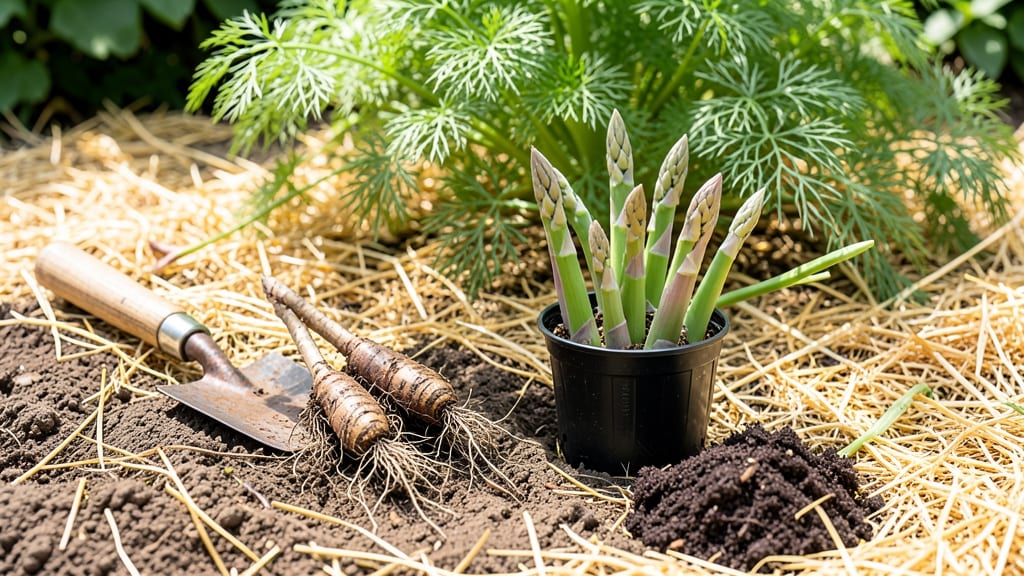
Timing your asparagus planting in North Texas could mean the difference between a thriving garden and wasted effort—because planting too early risks frost damage, while waiting too long might rob you of the best growing window.
The ideal moment arrives when soil temperatures hit 50–60°F, signaling it's safe to tuck those crowns into the earth. This window typically opens in late winter to early spring, but understanding local climate quirks is key to avoiding common mistakes.
For North Texas gardeners in USDA Zone 8a, the sweet spot falls between February and March, when the ground warms enough to support root growth without lingering frost threats.
But here's the catch: rushing the process could leave your 🌱 asparagus vulnerable to cold snaps, while delaying too long might mean missing the prime planting window entirely. Let's break down exactly how to time it right for your specific microclimate.
Once you've nailed the timing, preparing the soil becomes the next critical step—because asparagus demands well-drained, nutrient-rich conditions to flourish. We'll cover how to amend your soil, protect against late frosts, and space those crowns properly for maximum yield.
With these foundations in place, you'll be well on your way to harvesting tender spears in March through May.
Even experienced gardeners sometimes make costly mistakes with asparagus in North Texas' unpredictable climate. We'll reveal the most common pitfalls—like planting too deep or ignoring heat tolerance—and show you how to adjust for our region's hot summers and occasional late frosts.
By the end, you'll have a foolproof plan to grow asparagus that's both productive and resilient.
Best planting months for asparagus in North Texas based on soil temperature
North Texas gardeners face a tight deadline for planting asparagus—typically between late February and early March. This window ensures soil temperatures hit the critical 50–60°F range, which is essential for root establishment.
Planting too early risks frost damage, while waiting too long may push back your first harvest by an entire season.
To avoid guesswork, use a soil thermometer to verify readiness. Check temperatures at 6 inches deep in the morning for accuracy. If readings stay below 50°F, delay planting or use row covers to protect young crowns until conditions improve.
The last average frost date in North Texas' USDA Zone 8a is around March 1, but microclimates vary. For example, Dallas and Fort Worth may experience late frosts, while rural areas warm up faster.
Aim for early March planting to give your asparagus a head start before summer's intense heat arrives.
| Month | Soil Temp (°F) | Planting Window | Notes |
|---|---|---|---|
| February | 45–50°F | Late February (if soil warms) | Risk of frost; use row covers |
| March | 50–60°F | Ideal (early March) | Best balance of warmth and moisture |
| April | 60–70°F | Late April (backup) | Higher heat stress; water deeply |
If you miss the spring window, consider fall planting in October, but this approach carries higher risks in North Texas. Unpredictable weather patterns may prevent crowns from establishing roots before winter dormancy, leading to poor yields the following spring.
For container gardeners, stick to early March planting and use pots at least 18 inches deep to accommodate the deep root system.
North Texas' dry spells can stress container-grown asparagus, so monitor moisture levels closely. Containers warm up faster than in-ground soil, which can accelerate drying. Water deeply in the morning to prevent stress during our region's hot summers.
Set a hard deadline for yourself: March 15 is the last safe date to plant asparagus in most of North Texas. After this date, summer heat increases the risk of poor germination and reduced yields. Use this as your cutoff to avoid disappointment and ensure a successful harvest season.
For gardeners in cooler microclimates like the Davis Mountains or higher elevations, you may extend planting into early April. However, most of North Texas should prioritize the February–March window for optimal results.
Always check local extended weather forecasts before planting. A sudden cold snap can devastate young asparagus crowns, so flexibility is key. When in doubt, wait for consistent soil temperatures above 50°F for at least 5–7 days before planting.
Best planting months for asparagus in North Texas based on soil temperature
North Texas gardeners have a narrow but critical window to plant asparagus—typically between late February and early March. This timing ensures soil temperatures reach the ideal 50–60°F range, which is crucial for root development.
Planting too early risks frost damage, while waiting too long may delay the first harvest by a full season.
Use a soil thermometer to confirm readiness. Check temperatures at 6 inches deep in the morning for consistency. If your thermometer reads below 50°F, wait 1–2 weeks or use row covers to protect young crowns until the ground warms.
For North Texas’ USDA Zone 8a, the last average frost date is around March 1, but microclimates in cities like Dallas or Fort Worth can vary. Planting in early March gives asparagus a head start before summer’s intense heat arrives.
| Month | Soil Temp (°F) | Planting Window | Notes |
|---|---|---|---|
| February | 45–50°F | Late February (if soil warms) | Risk of frost; use row covers |
| March | 50–60°F | Ideal (early March) | Best balance of warmth and moisture |
| April | 60–70°F | Late April (backup) | Higher heat stress; water deeply |
If you miss the spring window, consider fall planting in October, but this is riskier in North Texas due to unpredictable weather. Fall-planted crowns may not establish roots before winter dormancy, leading to poor yields the following spring.
For container gardening, plant asparagus in early March as well, but use larger pots (at least 18 inches deep) to accommodate the deep root system. Containers warm up faster than in-ground soil, so monitor moisture closely during North Texas’ dry spells.
Pro tip: Mark your calendar for March 15—this is the last safe date to plant asparagus in most of North Texas before summer heat reduces germination rates. Use this as your cutoff to avoid disappointment!