
Planting
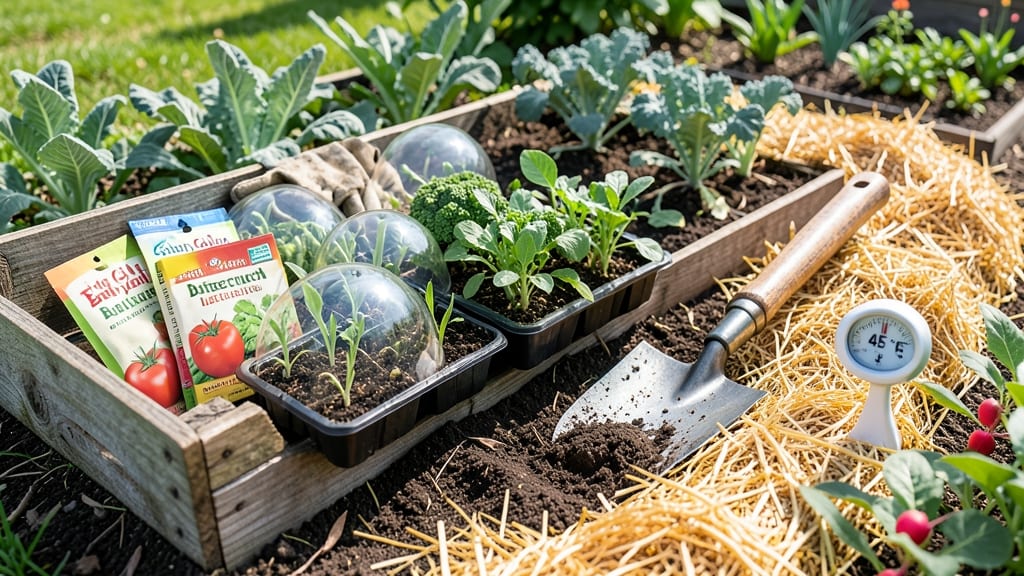
Virginia’s last frost dates by USDA Zone: key planting windows for vegetables
Virginia’s USDA hardiness zones range from 5a-8a, creating dramatic differences in last frost dates across regions. In Zone 5a (mountains), the average last spring frost arrives around April 15, while Zone 8a (coastal plains) typically sees its last frost by March 15.
These dates determine when to plant cool-season crops like lettuce or warm-season crops like tomatoes.
Understanding your zone helps you avoid frost damage to tender seedlings. For example, Northern Virginia (Zone 6b-7a) has a last frost date around April 1, while Southside Virginia (Zone 7b-8a) can start planting 2-3 weeks earlier. Always check local Virginia Cooperative Extension resources for year-to-year variations.
🌱 Key Tip: Start cool-season crops indoors 6-8 weeks before your last frost date. For warm-season crops, wait until soil temperatures reach 60°F+—usually 2 weeks after your last frost.
| USDA Zone | Last Spring Frost | First Fall Frost | Cool-Season Planting Window | Warm-Season Planting Window |
|---|---|---|---|---|
| 5a (Mountains) | April 15 | October 15 | March 1 - April 15 | May 1 - June 1 |
| 6a-6b (Northern Piedmont) | April 1 | October 30 | February 15 - April 1 | April 15 - May 15 |
| 7a-7b (Central Piedmont) | March 15 | November 15 | January 15 - March 15 | March 30 - May 1 |
| 8a (Coastal Plains) | March 1 | December 1 | January 1 - February 28 | February 15 - April 15 |
For cool-season crops like lettuce, broccoli, and peas, plant seeds 2-4 weeks before your last frost date. These varieties tolerate light frosts and can even thrive in 50°F soil temperatures. In Zone 5a, this means starting seeds as early as February indoors or March outdoors.
In contrast, warm-season crops such as tomatoes, peppers, and cucumbers require soil temperatures above 60°F. In Northern Virginia (Zone 6b), wait until May 1 to transplant seedlings, while Southern Virginia (Zone 8a) gardeners can start as early as March 30.
Always monitor soil temperatures with a soil thermometer—warm-season crops will stunt if planted too early. For direct-sown seeds, follow the 70°F soil temperature rule for best germination rates.
If you’re unsure about your exact last frost date, use the Virginia Master Gardener Network or the National Weather Service for localized data. These resources provide historical averages and real-time updates to help you plan with confidence.
For succession planting, note that fall crops can be sown as late as 8 weeks before your first frost. For example, in Zone 6b, this means August 15 for spinach or kale, which can survive light frosts and even taste sweeter after exposure.
Pro Tip: Use row covers to extend your planting window by 2-3 weeks in spring or fall. This is especially useful in Zone 5a, where late frosts can delay planting until
Best vegetables to plant in Virginia by season: month-by-month schedule
Virginia’s month-by-month planting schedule depends on whether you’re growing cool-season crops like lettuce or warm-season varieties such as tomatoes. Start with early spring plantings (February–March) for hardy greens and root vegetables, then transition to warm-season staples after your region’s last frost date.
In Northern Virginia (USDA Zones 5a-6a), your last frost typically falls between April 15–May 1, while Southern Virginia (Zones 7a-8a) sees last frosts as early as March 15. Adjust your schedule accordingly—cool-season crops thrive in 50–75°F soil temps, while warm-season crops need 60°F+ soil.
Here’s my month-by-month breakdown for Virginia’s most popular vegetables, tailored to both regions:
Plant broccoli, cabbage, peas, and spinach outdoors in Northern VA or start seeds indoors. Southern VA can direct-sow lettuce and radishes.
Transplant tomato and pepper seedlings indoors for Northern VA. Southern VA can direct-sow beans, cucumbers, and squash by mid-April.
Plant tomatoes, peppers, and eggplants outdoors after last frost (Northern VA: May 15; Southern VA: April 30). Succession-plant lettuce for fall harvests.
Sow carrots, beets, and kale for fall harvests. Northern VA can plant pumpkins by late July for late-summer harvests.
Direct-sow broccoli, spinach, and garlic for winter harvests. Protect with row covers if early frosts threaten.
Plant garlic cloves for next year’s harvest. Cover soil with mulch to protect roots from freezing.
Pro tip: Use succession planting for lettuce, radishes, and bush beans every 2–3 weeks to ensure continuous harvests. For example, sow radishes every 10 days from March to September for a steady supply.
Southern Virginia gardeners can extend their growing season by 4–6 weeks compared to Northern VA. If you’re in Zone 7a–8a, don’t rush to plant warm-season crops—wait until soil temps reach 65°F (test with a soil thermometer) to avoid stunted growth.
For container gardening, prioritize compact varieties like bush beans, cherry tomatoes, and pepper ‘Snackable’. These thrive in 5-gallon pots and can be moved to sunniest spots as needed.