
Plants
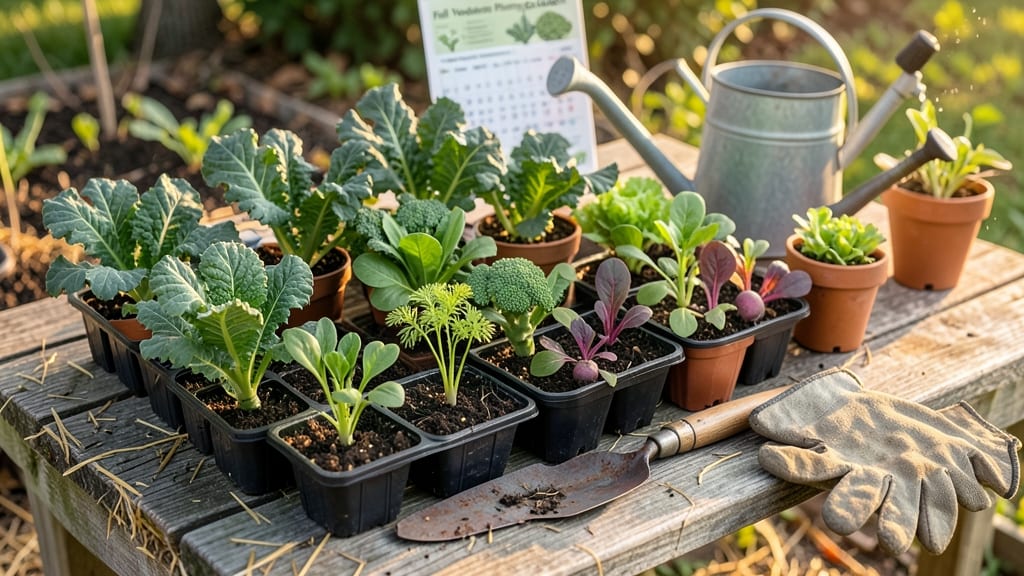
Knowing when to plant fall crops in Zone 7 could mean the difference between a thriving garden and a frost-killed disappointment. With just 4-6 weeks before your first frost, timing is everything—especially when you’re dealing with cool-season crops like kale, spinach, and carrots.
Plant too early, and your greens will bolt before winter; too late, and you’ll miss the harvest window entirely.
Here’s the secret: Zone 7’s frost dates (usually mid-October to early November) set the clock, but soil temperature and crop maturity play just as big a role. I’ll break down the exact weeks to plant each crop, so you can avoid common mistakes and enjoy fresh harvests straight through winter.
Whether you’re a first-time gardener or a seasoned pro, this guide keeps your fall garden on track.
Let’s start with the critical planting window—because in Zone 7, getting it right means more than just avoiding frost. It’s about maximizing flavor, yield, and even extending your growing season with simple tricks like mulch and row covers.
Ready to turn your garden into a fall harvest goldmine? Let’s dive in.
From heat-tolerant varieties for late summer starts to fast-growing greens that thrive in cooler temps, I’ll cover everything you need to know. No more guessing—just a foolproof schedule tailored for Zone 7’s unique climate. Grab your calendar, and let’s make sure your fall crops get the perfect head start.
Fall planting timeline for Zone 7: exact weeks before first frost
Fall gardening in Zone 7 thrives on precision timing—plant too soon, and your cool-season crops bolt before harvest. Too late, and frost ruins your efforts. The key? Start 4-6 weeks before your first frost date, which typically falls between mid-October (Zone 7a) and early November (Zone 7b).
For most of Zone 7, this means sowing seeds or transplanting seedlings in late July to early September. Early starters like lettuce or spinach can go in as early as late June, while heat-tolerant varieties like Swiss chard or kale can handle late summer planting.
Let’s break down the exact schedule to avoid common pitfalls.
🌱 PRO TIP: Use a frost date calculator (like the Old Farmer’s Almanac) to pinpoint your local window. Even within Zone 7, frost dates can vary by 1-2 weeks depending on elevation or microclimates.
| Planting Window | Best Crops | Weeks Before Frost | Notes |
|---|---|---|---|
| Late June - Early July | Lettuce, Spinach, Radishes, Turnips | 8-10 weeks | Fast growers; use shade cloth if hot. |
| Mid-July | Broccoli, Cabbage, Kale | 6-8 weeks | Transplant seedlings for best results. |
| Early August | Carrots, Beets, Swiss Chard | 5-7 weeks | Direct sow for crisp roots. |
| Mid-August | Peas, Fava Beans, Arugula | 4-6 weeks | Cold-hardy; plant near frost. |
| Late August - Early Sept | Spinach, Radishes, Green Onions | 3-5 weeks | Succession plant every 2 weeks. |
For Zone 7a (colder microclimates), aim for the earlier end of these windows—late July to early August—while Zone 7b gardeners can push to mid-September for late crops like spinach or radishes.
Always check seed packets for days to maturity; this tells you exactly when to plant to harvest before frost.
For example, if your first frost is October 15 and your baby kale takes 45 days to mature, plant by September 1. Miss this window, and you’ll risk bitter, woody leaves or frost damage. Use row covers to extend harvests by 2-3 weeks in mild winters.
Soil temperature matters too. Most cool-season crops thrive in 45-75°F soil. Test your soil with a thermometer—if it’s above 80°F, wait or use shade cloth to prevent bolting. Peas and fava beans are exceptions; they prefer cooler soil (60-70°F) and can handle late summer planting.
Don’t forget herbs like cilantro or dill, which bolt quickly in heat. Sow them in late August for a fall harvest before they flower. Parsley and chives, however, are more forgiving and can be planted as late as September.
Finally, succession planting is your secret weapon. Instead of planting all your radishes at once, sow half in late July and the rest in mid-August for a staggered harvest. This ensures you’re always picking fresh, tender crops instead of facing a glut of produce all at once.
🌿 REMEMBER: The 3-5-7 rule—plant 3 weeks early for heat lovers, 5 weeks out for mid
How to adjust your planting schedule for early or late frost years
Zone 7’s frost dates can shift dramatically from year to year—sometimes by weeks. A late summer heatwave might delay your first frost, while an early cold snap could strike three weeks sooner than expected.
Without flexibility, your fall garden could end up as a frozen disaster or a bolted mess. The key? Adjusting your planting schedule based on real-time weather and crop resilience.
Start by checking your local USDA frost date calculator (like the Almanac’s Frost Calculator) to get a customized first frost date. Then, subtract the days to maturity for each crop—this gives you your ideal planting window.
For example, if your first frost is October 22 and your spinach takes 45 days to mature, plant by September 8 to avoid frost damage.
For early frost years, shift your planting 2-3 weeks earlier and focus on fast-maturing varieties. Choose crops like radishes (25 days) or bush beans (50 days) over slower growers like cabbage (80+ days).
Use row covers to extend the season by 2-4 weeks, protecting tender greens from light frosts (28°F).
🌡️ Critical Adjustments for Frost Variations
- 📅 Early frost? Plant heat-tolerant varieties (e.g., Malabar spinach) and use black plastic mulch to warm soil.
- 🌬️ Late frost? Delay planting until mid-September and opt for cold-hardy crops like kale or carrots.
- 🌱 Unpredictable weather? Start with fast growers (e.g., lettuce, radishes) and succession plant every 2 weeks.
- ❄️ Hard frost (<28°F)? Cover crops with frost blankets or straw mulch to protect tender leaves.
- 🌡️ Soil temp below 50°F? Wait until soil warms to 55°F+ for root crops like beets or turnips.
Microclimates in Zone 7 can also throw off your timing. South-facing slopes stay warmer and may support later plantings, while low-lying areas or shady spots can experience frost 1-2 weeks earlier.
Test your garden’s microclimates by planting basil or tomatoes in early August—if they thrive until October 15, you’re in a warmer microclimate and can push fall crops later.
Use a soil thermometer to monitor temperatures—root crops like carrots and parsnips need soil temps above 50°F to germinate, while leafy greens can handle cooler soil (40°F).
If temps drop below 45°F, delay planting until conditions improve or use seedling trays under row covers to jumpstart growth.
Finally, keep a gardening journal to track your local frost dates and crop success. Note which varieties bolt in heat or survive light frosts, and adjust next year’s schedule accordingly. With these strategies, you’ll turn Zone 7’s unpredictable frost into a harvesting advantage instead of a gardening gamble.