
Planting
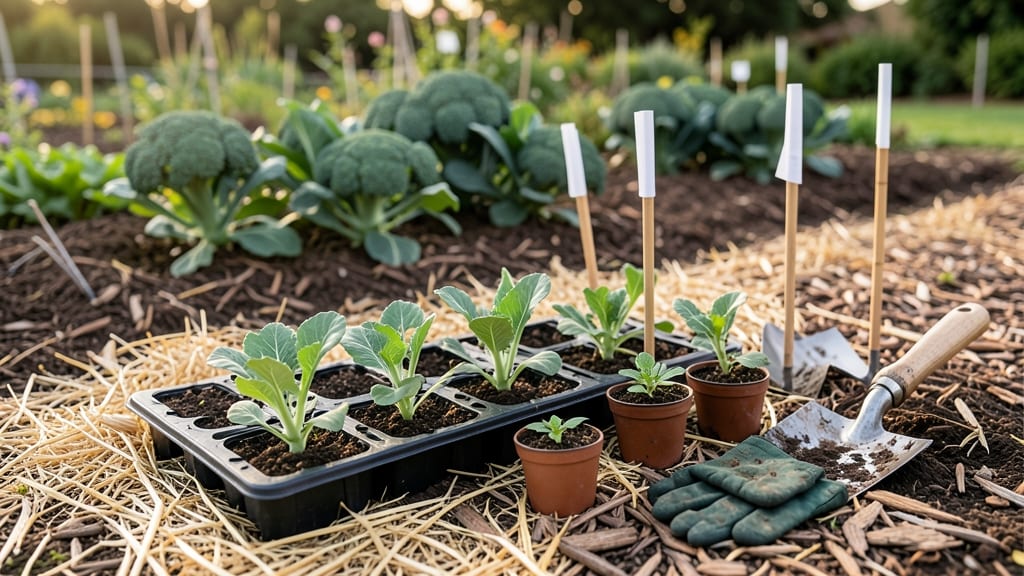
Timing when to plant a fall garden in Florida wrong could mean the difference between a bumper crop and a sad, wilted disappointment—especially when summer heat lingers longer than you expect.
Most gardeners assume "fall" means October, but Florida’s unique climate demands a smarter approach, especially in zones 8a-11 where frost is rare or nonexistent.
If you’ve ever planted too late and watched your seeds struggle through lingering heat or too early and seen crops bolt before harvest, you’re not alone.
The key to success lies in understanding Florida’s regional microclimates—where North Florida’s cooler pockets can handle August starts while South Florida’s warmth extends planting into October for certain crops.
In this guide, I’ll reveal the exact windows you should target, the 3 critical mistakes that derail even experienced growers, and how to pick crops that thrive in Florida’s short-day conditions without the guesswork. Let’s turn your fall garden into the most productive season yet.
Whether you’re a first-time gardener or a seasoned pro, skipping these timing tips could cost you months of growth—and your favorite homegrown veggies. Ready to learn how to beat Florida’s tricks and grow like a local?
Florida’s fall planting calendar: exact dates by region for maximum yield
Florida’s fall garden success hinges on understanding your USDA zone and microclimate. Unlike northern states, Florida rarely sees frost, but temperature drops and daylight changes signal when to transition from summer to fall crops.
In North Florida (Zone 8a), aim to plant by mid-September for a winter harvest, while South Florida (Zone 10a) can plant year-round with minimal adjustments.
For Central Florida (Zone 9a), the sweet spot is late August to early October. This window ensures warm-season crops like sweet potatoes and okra finish maturing before cooler temps slow growth. Meanwhile, cool-season crops like broccoli and carrots thrive when planted in September for a November harvest.
Here’s the key: North Florida should prioritize heat-tolerant varieties (e.g., collard greens, turnips) that survive mild winters, while South Florida can focus on fast-maturing crops (e.g., bush beans, radishes) to avoid summer heat creep.
| Region | USDA Zone | Planting Window | Key Crops | Harvest Time |
|---|---|---|---|---|
| North Florida | 8a | Mid-August – Mid-September | Collards, Kale, Turnips, Broccoli | October – December |
| Central Florida | 9a | Late August – Early October | Sweet Potatoes, Okra, Carrots, Spinach | September – January |
| South Florida | 10a-11 | Year-round (peak: Sept-Oct) | Malabar Spinach, Bush Beans, Radishes, Lettuce | October – February |
One common mistake is planting cool-season crops too early in South Florida, where summer heat lingers. For example, lettuce bolted in July will turn bitter by September.
Instead, wait until late August for head starts. Similarly, North Florida gardeners often rush warm-season crops like tomatoes past their prime by planting in October.
Adjust for microclimates—coastal areas stay warmer longer than inland zones. If your garden sits in a low-lying spot, expect 2-3°F cooler nights than higher elevations. Use this to your advantage by planting heat-sensitive crops (e.g., peas) in these cooler pockets.
For container gardening, extend your fall window by 2-4 weeks—pots cool faster and can be moved to protected spots (e.g., under eaves) during sudden cold snaps. Just ensure containers have drainage holes to prevent root rot from Florida’s humid air.
Pro tip: Use a soil thermometer to confirm 60°F soil temps before planting cool-season crops. In North Florida, this often means waiting until mid-September, while South Florida can start as early as August.
Remember, Florida’s fall garden isn’t just about avoiding frost—it’s about balancing heat, humidity, and daylight hours. With the right timing, you’ll enjoy harvests well into winter—even in the coldest months.
3 Critical mistakes that ruin fall gardens (and how to fix them)
Planting a fall garden in Florida feels like a gamble—too early, and your seeds bolt in summer heat; too late, and you miss the sweet spot before cooler weather slows growth.
I’ve seen gardeners throw in the towel after wasted seeds or stunted plants because they missed these three costly mistakes. Let’s fix them before they derail your harvest.
First, many gardeners ignore soil exhaustion after summer’s heavy use. Florida’s sandy soil drains fast but holds little nutrients, and summer crops like tomatoes or peppers can deplete nitrogen and potassium. Skipping a soil test or compost amendment means your fall plants start at a disadvantage.
A quick fix: Work in 2-3 inches of compost or a balanced fertilizer (like 5-10-10) before planting.
Mistake #1: Planting frost-sensitive crops too late in North Florida. Even a light frost (rare but possible in Zone 8a) can kill tender greens like lettuce or spinach. In South Florida, this mistake is less critical, but timing still matters for heat-sensitive crops like peas or radishes.
Fix: Use a frost watch calendar (like the Florida Automated Weather Network) and plant broccoli or cabbage by mid-September in North FL, or late August in Central/South FL for a safe harvest before cooler temps.
Second, gardeners often overlook microclimates. A shaded corner or a windy hilltop can create 5-10°F temperature swings compared to your main garden bed. For example, okra or sweet potatoes thrive in South Florida’s heat but may struggle in a shaded North Florida yard.
Solution: Group plants with similar heat needs—place heat-lovers (like peppers) near sunny spots and cool-season crops (like kale) in slightly shaded areas.
Third, many Florida gardeners choose the wrong varieties. Seed packets labeled “cool-season” often assume a short-day photoperiod (like in the Midwest), but Florida’s longer daylight hours can trick plants into bolting.
For example, ‘Florida Broadleaf’ lettuce or ‘Georgia Southern’ collards are bred to handle Florida’s conditions. Always check for “Florida-tested” or “tropical” varieties when shopping for seeds.
Here’s how to recover if you’ve already made one of these mistakes: If your soil is bare after summer, plant a cover crop (like clover or rye) for 4-6 weeks before fall planting.
For late starts, opt for fast-maturing varieties (e.g., ‘Early Wonder’ peas or ‘Baby Bok Choy’) or use row covers to extend the season. And if your plants bolted? Try succession planting with heat-tolerant greens like malabar spinach.
Don’t let these mistakes steal your fall harvest. With the right timing, soil prep, and plant choices, Florida’s fall garden can be just as bountiful as spring—without the guesswork. Start with these fixes, and you’ll be picking fresh greens and root veggies well into winter. 🌱