
Planting
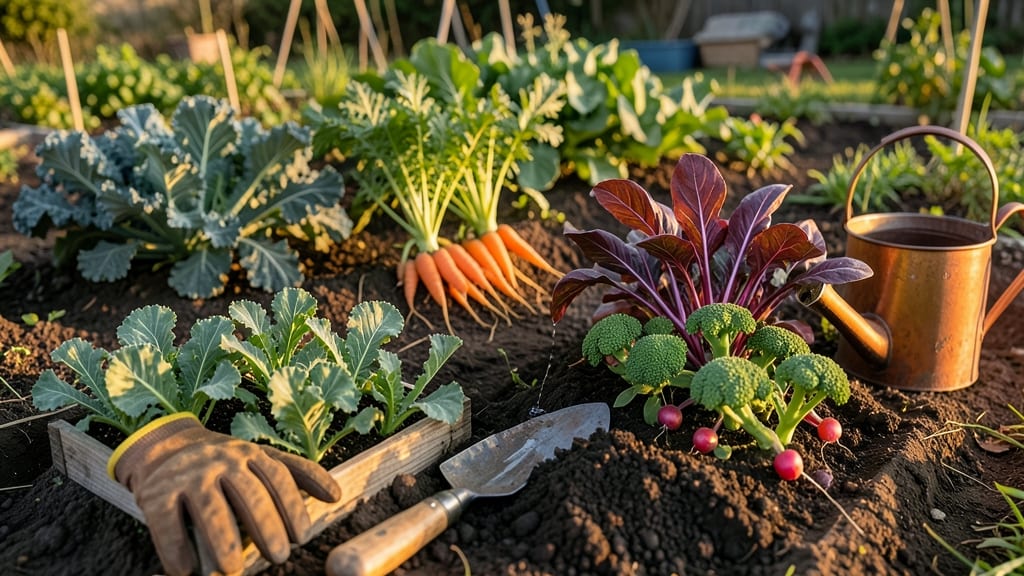
Knowing when to plant a fall garden in Zone 7 can mean the difference between a bountiful harvest and wasted effort. With just 4-6 weeks before the first frost, timing is everything—especially when you're dealing with cool-season crops like kale, carrots, and spinach that thrive in cooler weather.
I’ve spent years perfecting my fall garden schedule, and what I’ve learned is that Zone 7’s microclimates—coastal, inland, and mountainous—can shift your planting window by weeks. Plant too early, and your greens bolt into flower; too late, and frost ruins your hard work.
The key? Understanding your local frost dates and adjusting for heat-loving vs. cold-hardy crops.
In this guide, I’ll break down the exact planting deadlines for each microclimate, so you can maximize your garden’s potential. Whether you’re a beginner or a seasoned gardener, these insights will help you plan with confidence—and avoid common mistakes that lead to wasted seeds or stunted growth.
Ready to transform your late-summer garden into a fall harvest goldmine? Let’s dive into the step-by-step schedule that works for Zone 7’s unique conditions.
Zone 7 fall planting deadlines by microclimate: coastal vs. inland vs. mountain regions
Zone 7 spans coastal, inland, and mountain regions, each with unique frost patterns. Coastal areas enjoy warmer microclimates thanks to ocean currents, while inland zones experience earlier frosts.
Mountain regions at higher elevations can have shorter growing windows—sometimes just 6-8 weeks before hard frost. Understanding these differences means the difference between a bountiful harvest and wasted seeds.
For coastal Zone 7 (e.g., Virginia Beach, Charleston), the first frost often arrives in mid-to-late November, giving you 8-10 weeks for fall crops. Inland areas (e.g., Raleigh, Nashville) typically see frost by early-to-mid November, shrinking your window to 6-8 weeks.
Mountain regions (e.g., Asheville, higher elevations of Tennessee) can face frost as early as late October, leaving just 4-6 weeks for fast growers.
Here’s how to align your planting with these microclimates for maximum success:
| Microclimate | First Frost Date | Planting Window | Last Call for Transplants | Direct Sow Deadline |
|---|---|---|---|---|
| Coastal | Mid-to-late November | August 15–September 15 | September 1–15 | September 15–October 1 |
| Inland | Early-to-mid November | August 1–September 10 | August 25–September 5 | September 10–15 |
| Mountain | Late October | July 20–August 15 | August 1–10 | August 15–25 |
For coastal gardens, you can push the envelope with slow-maturing crops like Brussels sprouts or cabbage, planting as late as September 15. Inland gardeners should prioritize fast growers like radishes or spinach, with direct sowing by September 10 to avoid bolting.
Mountain regions demand early starts—even July plantings of heat-tolerant varieties like bush beans to ensure harvests before frost.
Another critical factor is soil temperature. Cool-season crops thrive when soil temps drop below 80°F. Use a soil thermometer to confirm readiness—planting too early in hot soil can stunt growth.
In coastal areas, soil cools faster due to maritime influence, while inland soils may stay warm longer, delaying planting by 1-2 weeks.
Pro tip: Succession plant fast crops like lettuce or arugula every 2 weeks to extend harvests. For example, in inland Zone 7, sow a batch on August 15, another on September 1, and a final one on September 15.
This staggered approach ensures a continuous harvest until frost.
If you’re in a transition zone (e.g., near the Blue Ridge Mountains), err on the side of earlier planting. Mountain frosts can arrive suddenly, and even a 2-week delay might mean lost crops.
Test your microclimate by monitoring neighboring gardens or checking local Cooperative Extension Service records for historical frost dates.
For herbs and greens, aim to plant 6-8 weeks before frost. Examples: Cilantro (30 days), kale (50 days), and spinach (40 days). Root crops like carrots and beets need 70-80 days, so plant them by mid-August in inland zones or early September in coastal areas.
Remember: Frost isn’t just about temperature—it’s also about light and humidity. Coastal areas may have milder nights but foggy mornings, while inland zones can experience radiation frost (ground frost without air frost). Adjust mulch thickness accordingly: 2-3 inches for inland, 1-2 inches for coastal.
Zone 7 fall planting deadlines by microclimate: coastal vs. inland vs. mountain regions
Zone 7’s diverse microclimates mean your fall planting deadlines could vary by 4-6 weeks. Coastal areas stay milder longer, while mountain regions face earlier frosts. Understanding these differences helps you avoid bolting in heat and maximize harvests before frost.
For coastal Zone 7 (e.g., North Carolina coast), your last planting window for cool-season crops stretches until mid-October. Inland areas (e.g., Raleigh) should finish by late September, while mountain regions (e.g., Blue Ridge) need crops in the ground by early September.
| Microclimate | Last Direct Sowing | Last Transplanting | First Frost Avg. | Key Crops |
|---|---|---|---|---|
| Coastal | Mid-October | Late October | November 15 | Spinach, Kale, Carrots |
| Inland | Late September | Early October | November 1 | Broccoli, Lettuce, Radishes |
| Mountain | Early September | Mid-September | October 20 | Garlic, Onions, Peas |
Your microclimate also affects soil temperature. Coastal areas stay 5-10°F warmer than inland zones, letting you plant heat-sensitive crops like spinach later. Use a soil thermometer—ideal temps for fall crops are 50-70°F.
For succession planting, start with fast-maturing crops like radishes (25 days) in early August, followed by slower growers like kale (60+ days) in late August. This ensures continuous harvests before frost.
Pro tip: Mulch heavily in mountain regions to delay frost by 2-3 weeks. Use straw or leaves (3-4 inches thick) to insulate soil and protect tender crops like baby greens.
Remember: Frost dates shift yearly. Check your local Cooperative Extension Service for updates. With the right timing, you can harvest fresh greens until Christmas in coastal Zone 7! 🌱