
Plants
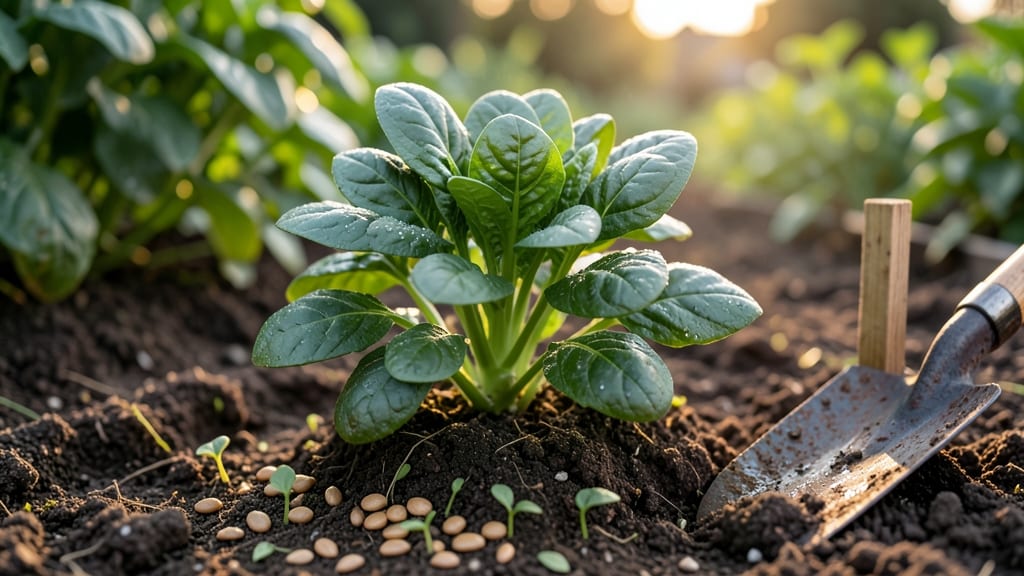
Timing your fall spinach planting in Zone 6 can mean the difference between a lush harvest and bitter disappointment. The key? Planting 8-10 weeks before your first frost date—typically between late August and early September—to ensure tender leaves before winter sets in.
Most gardeners in Zone 6a miss the window because they focus on summer planting. But fall spinach thrives when temperatures drop, delivering sweeter, more tender 🥬 than its spring counterpart. With the right schedule, you can enjoy fresh greens straight from your garden well into November.
In this guide, I’ll break down the exact dates to plant for a foolproof harvest, plus soil prep tips and care tricks to avoid bolting. Whether you’re a seasoned gardener or just starting, these strategies will help you maximize your yield without the guesswork.
Ready to grow spinach that’s both productive and delicious? Let’s dive into the perfect planting timeline and care routine for Zone 6’s cooler months.
Exact fall planting dates for Zone 6 spinach to prevent bolting
Timing your fall spinach planting in Zone 6 is a delicate balance—too early, and your plants bolt; too late, and frost ruins your crop. The ideal window is 8-10 weeks before your first frost date (typically mid-October in Zone 6).
For most of the region, this means sowing seeds between late July and early September, with August being the sweet spot for most gardeners.
Spinach thrives in cooler temperatures, but it’s sensitive to heat stress. Planting too early in July risks bolting from summer’s lingering warmth, while waiting until September may leave plants vulnerable to early frosts.
The key is to align your planting with soil temperatures below 75°F and daytime highs under 80°F—conditions that signal the end of summer’s heat.
To pinpoint your exact dates, check your local average first frost date. For Zone 6, this typically falls around October 15. Count backward 8-10 weeks to determine your planting window.
For example, if your frost date is October 15, aim to plant by August 15-20. This ensures your spinach matures before winter sets in.
Here’s the golden rule: Spinach needs 30-60 days to reach harvest, but it can tolerate light frosts once established. In Zone 6, this means your last planting should be no later than early September to avoid winter’s harsh freeze.
If you’re unsure, err on the earlier side—you can always succession plant for a longer harvest.
| Planting Stage | Zone 6 Timeline | Key Conditions | Action Items |
|---|---|---|---|
| First Planting | Late July | Soil temp <75°F, daytime highs <80°F | Sow seeds ½" deep, 1-2" apart |
| Peak Planting | August 1-15 | Cooler nights, shorter days | Thin seedlings to 4-6" apart |
| Last Chance | Early September | Soil temp <70°F, frost risk low | Use cold-hardy varieties (e.g., 'Bloomsdale') |
| Harvest Window | October-November | First light frost (28°F) | Harvest before bitter taste develops |
Adjust your planting dates based on your local microclimate. If you live in a warmer microclimate (e.g., near a river or urban heat island), plant on the earlier side of the window.
Conversely, in cooler microclimates (e.g., higher elevations), you can push planting into mid-September with cold frames or row covers.
Another pro tip: Use a soil thermometer to confirm temperatures. Spinach seeds won’t germinate well in soil above 80°F, so wait until the ground cools down. If your soil is too warm, try shade cloth or plant in partial shade to lower temperatures and improve germination rates.
For gardeners in Zone 6a (colder end of the spectrum), prioritize bolt-resistant varieties like 'Tyee' or 'Corvair'. These types handle cooler soils better and are less likely to bolt prematurely. Pair this with a thick layer of mulch (2-3 inches) to insulate roots and extend the growing season.
Finally, keep an eye on your local weather forecasts in late August. If an unexpected heatwave is predicted, delay planting until temperatures drop. Spinach is forgiving once established, but it won’t tolerate heat stress during germination or early growth stages.
By nailing these exact planting dates, you’ll avoid the two biggest pitfalls of fall spinach in Zone 6: bolting from heat and frost damage. With the right timing, you’ll enjoy a sweet, tender harvest well into November—just in time for holiday meals! 🥬
Exact fall planting dates for Zone 6 spinach to prevent bolting
In Zone 6, timing your fall spinach is critical to avoid bitter bolting—the process where spinach prematurely flowers and becomes inedible. The sweet spot is planting 8-10 weeks before your first frost, which in most Zone 6 areas falls between mid-August and early September.
This window ensures your spinach matures before winter sets in but avoids the heat stress of late summer.
For example, if your average first frost date is October 15, aim to plant by September 1-15. Late plantings after September 20 risk stunted growth or bolting due to shorter daylight hours and cooler soil temperatures.
Always check your local USDA Plant Hardiness Zone map for precise frost dates.
| Planting Window | Zone 6 Dates (2024) | Key Considerations |
|---|---|---|
| First Planting | Mid-August (Aug 10-15) | Soil temps >60°F; avoid heat stress |
| Ideal Window | Late August-Early Sept (Aug 25-Sept 5) | Balances growth and frost risk |
| Last Chance | Mid-September (Sept 10-15) | Use cold-hardy varieties; harvest before frost |
Adjust your planting dates based on soil temperature—spinach seeds need 40-85°F soil to germinate. Use a soil thermometer to confirm readiness. If your soil cools below 50°F before germination, cover seeds with row fabric or a cold frame to maintain warmth.
For succession planting, sow a second batch 3-4 weeks after your first planting to extend your harvest. This works best if your first crop bolts early or your frost date arrives sooner than expected.
Space seeds 1-2 inches apart in rows 12 inches apart for optimal airflow and disease prevention.
Pro tip: Direct sowing (planting seeds outdoors) outperforms transplants for fall spinach. Transplants struggle to establish roots in cooler soil, making them more susceptible to bolting or disease. If you must use transplants, choose smaller, younger plants (4-6 weeks old) and harden them off for 7-10 days before planting.
Monitor your spinach for signs of bolting, like elongated stems or yellowing leaves. If you catch it early, harvest immediately or thin the crop to reduce stress. With precise timing, you’ll enjoy tender, sweet spinach straight from your garden until the first hard frost! 🥬