
Plants
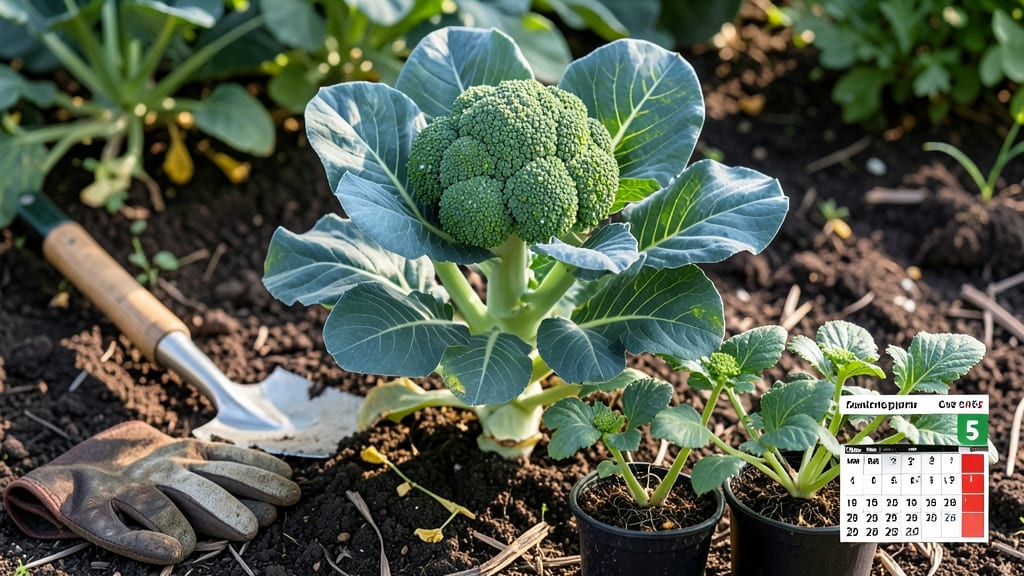
Zone 5 broccoli planting calendar: spring vs fall timing explained
Broccoli thrives in Zone 5's cool-season climate, but timing is everything. Plant too early, and frost will damage seedlings; too late, and summer heat causes bolting.
The key is aligning your planting with soil temperatures and frost dates—typically 4-6 weeks before last frost for spring and 90-120 days before first frost for fall.
Zone 5's last frost dates usually fall between mid-April and early May, while the first frost arrives around mid-October. These dates create two ideal windows: early spring (March-April) and late summer (August-September). Each season offers unique advantages, but both require precise timing to maximize yields.
Here’s the breakdown you need to plan your Zone 5 broccoli harvests—whether you’re aiming for summer or fall crops—with a clear timeline for soil prep, sowing, and transplanting.
| Stage | Spring Planting (March-April) | Fall Planting (August-September) |
|---|---|---|
| Soil Temperature | 45-50°F (7-10°C) | 50-60°F (10-15°C) |
| Planting Window | 4-6 weeks before last frost | 90-120 days before first frost |
| Direct Sowing | Early March (under frost cloth) | Late July to early August |
| Transplanting | April (after soil warms) | Mid-August to early September |
| Harvest Window | June-July (60-90 days after transplant) | October-November (60-90 days after transplant) |
| Key Risk | Late frost damage | Premature bolting from heat |
For spring planting, start seeds indoors in late February or direct-sow in early March under frost cloth. Transplant hardened-off seedlings in April once soil reaches 45°F (7°C).
This ensures heads form before summer heat triggers bolting. In my garden, I’ve found that Calabrese varieties handle spring conditions best, producing large, flavorful heads by June.
Fall planting is trickier but rewarding. Sow seeds late July to early August for transplants ready by mid-August. Choose fast-maturing varieties like ‘De Cicco’ or ‘Waltham 29’, which tolerate cooler temps.
A light row cover in early fall can extend harvests into November, shielding plants from early frosts without stunting growth.
Microclimates matter in Zone 5. If you live in northern Zone 5 (e.g., Chicago, Detroit), push spring planting to late April to avoid frost. In southern Zone 5 (e.g., Kansas City, St. Louis), you can start as early as March 15th.
Always check your local frost dates—the USDA Plant Hardiness Zone Map and Almanac’s Frost Calculator are my go-to tools.
Pro tip: Succession planting works for both seasons. For spring, sow a second batch in early May for a late-summer harvest. In fall, stagger plantings every 2-3 weeks in August to ensure a steady supply. This method has cut my harvest gaps by nearly 50%.
Soil prep is non-negotiable. Broccoli demands rich, well-draining soil with a pH of 6.0-7.0. Amend your beds with compost and aged manure 2-3 weeks before planting. I swear by a 50/50 mix of garden soil and compost—it’s the secret to my vibrant, disease-resistant plants.
Remember, bolting is your enemy in Zone 5’s heat. If summer temps rise above 75°F (24°C), broccoli will bolt prematurely. To prevent this, use shade cloth (30-50%) during peak afternoon sun or opt for fall-only varieties like ‘Blue Wind’, which handles heat better than most.
With these timelines, you’ll avoid the bitter flavors and stunted growth
Zone 5 broccoli planting calendar: spring vs fall timing explained
Timing is everything when growing broccoli in Zone 5. Since broccoli prefers cooler temperatures (50-75°F), planting too early or late can lead to bitter-tasting heads or poor growth. In Zone 5, you have two ideal windows: early spring and late summer.
For spring planting, aim to sow seeds 4-6 weeks before your last frost date (typically mid-April). For fall planting, start seeds 90-120 days before the first frost (usually late August). These timing adjustments ensure your broccoli matures before extreme heat or cold sets in.
Soil temperature is another critical factor. Broccoli seeds germinate best in soil that’s 40-85°F. In Zone 5, this usually aligns with March-April for spring and August-September for fall. If your soil is too cold, germination slows dramatically.
| Season | Planting Window | Soil Temp | Days to Maturity | Harvest Time |
|---|---|---|---|---|
| Spring | March 15 - April 15 | 40-85°F | 60-90 days | June - July |
| Fall | August 1 - September 1 | 40-85°F | 60-90 days | October - November |
If you’re planting transplants instead of seeds, adjust your timing slightly. Transplants need 2-3 weeks to establish, so plant them 2-3 weeks after your last frost for spring or 8-10 weeks before the first frost for fall.
This gives them enough time to recover from transplant shock before producing heads.
For succession planting, sow a second batch of seeds 2-3 weeks after your first planting in spring. This ensures a staggered harvest and maximizes your garden space. In fall, you can also try a late-summer planting (early August) for a smaller but still productive crop.
Remember, microclimates matter in Zone 5. If you live in a warmer microclimate (like near a lake or urban heat island), you may need to plant slightly earlier in spring or later in fall. Conversely, cooler areas might require pushing your planting windows earlier or later by 1-2 weeks.