
Plants
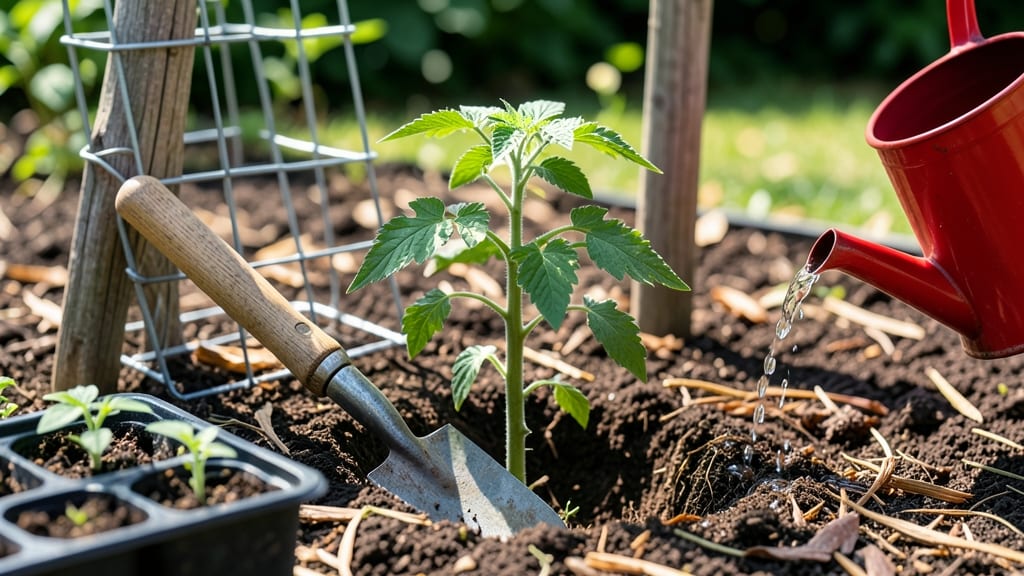
Alabama planting zones & exact dates to avoid frost damage
Alabama’s diverse climate spans USDA Zones 6A-8B, meaning your exact planting dates depend on whether you’re in North Alabama (cooler) or South Alabama (warmer).
The last average frost date ranges from mid-March in the north to early March in the south, but soil temperature matters more than air temperature. Tomatoes need soil at 60°F+ to thrive—waiting for this ensures strong root growth and faster maturity.
For transplants, aim to plant 2-3 weeks after your last frost date when nighttime temps stay above 50°F. In North Alabama (Zones 6A-7A), this is typically mid-April to early May, while South Alabama (Zones 7B-8B) can start as early as late March.
Early varieties like ‘Early Girl’ can handle slightly cooler soil, but heat-lovers like ‘Solar Fire’ need warmer conditions.
If you’re starting seeds indoors, begin 6-8 weeks before your last frost date. For North Alabama, this means late February to early March, while South Alabama gardeners can start seeds as early as January.
Use grow lights to provide 14-16 hours of light daily—tomato seedlings stretch and weaken without enough light.
🌱
🌱 Alabama Tomato Planting Timeline by Zone
| Zone | Last Frost Date | Transplant Window | Indoor Seed Start | Soil Temp Requirement |
|---|---|---|---|---|
| 6A (North AL) | Mid-April | Early May | Late Feb - Early March | 60°F+ |
| 7A (North AL) | Early April | Late April - Early May | Late Feb - Early March | 60°F+ |
| 7B (Central AL) | Late March | Mid-April - Late April | January - Early Feb | 55°F+ (earlies) |
| 8A (South AL) | Early March | Late March - Early April | January | 55°F+ |
| 8B (South AL) | Early March | Late March - Early April | January | 55°F+ |
🌡️ Pro Tip: Use a soil thermometer to confirm warmth—cold soil delays germination and stunts growth.
Alabama’s clay-heavy soil can stay cold longer, so consider using black plastic mulch to warm the soil by 5-10°F. Lay it down 2-3 weeks before planting to create a microclimate that speeds up soil warming.
For container gardening, use heat-retaining pots or place containers on dark-colored surfaces like pavers to absorb and radiate heat.
Don’t forget about fall planting! In South Alabama (Zones 7B-8B), you can plant heat-tolerant varieties like ‘Celebrity’ or ‘Solar Fire’ as late as mid-July for a fall harvest.
These varieties handle Alabama’s 90°F+ summers and still produce fruit before the first frost. Just be sure to mulch heavily to protect roots from heat stress.
For North Alabama gardeners, fall planting is trickier due to earlier frosts. Stick to fast-maturing varieties like ‘Stupice’ or ‘Mountain Merit’ and plant by mid-July for a harvest before November’s first
How to extend your tomato season in Alabama: cold frames, row covers & succession planting
Alabama’s long growing season means you can enjoy tomatoes from early summer to fall—but with the right tricks, you can push those harvests even further.
Whether you’re dealing with late spring frosts in North Alabama or scorching summer heat in the south, these strategies will help you grow tomatoes earlier and later than ever before.
For gardeners in USDA Zones 6b-8b, extending your tomato season isn’t just about planting at the right time—it’s about protecting your plants from unpredictable weather while maximizing your garden’s potential.
Cold frames, row covers, and succession planting are your secret weapons for a longer harvest window and fewer wasted plants.
⚠️ CRITICAL TIP: Always start with healthy seedlings or well-timed seeds. If you’re pushing the season’s limits, your plants need every advantage to thrive. Begin by choosing disease-resistant varieties like ‘Celebrity’ or ‘Solar Fire,’ which handle Alabama’s heat and humidity better than standard types.
- 📅 Start seeds indoors 6-8 weeks before your last frost date (typically late February for North Alabama, early March for the south). Use grow lights to ensure strong seedlings.
- 🛡️ Use row covers or floating fabric to protect young plants from late frosts (March-April). Remove covers when flowers appear to allow pollination.
- 🔥 Plant heat-tolerant varieties like ‘Heatmaster’ or ‘Solar Fire’ in June-July for a fall harvest. These varieties thrive in Alabama’s 90°F+ temperatures.
- 🌡️ Use black plastic mulch to warm soil faster in spring or retain moisture in summer. This speeds up germination and protects roots from temperature swings.
- 🌱 Succession plant every 2-3 weeks from April to June. This ensures a continuous harvest and reduces the risk of losing your entire crop to disease or pests.
If you’re planting for an early spring harvest, focus on cold frames or mini-greenhouses. These structures can raise soil temperatures by 10-15°F, allowing you to plant 4-6 weeks earlier than the average last frost date.
For example, in Zone 7b, you might start planting in early March instead of mid-March.
For a fall harvest, time your succession plantings so that your last batch matures before the first frost (typically late November). Choose determinate varieties like ‘Roma’ or ‘Celebrity,’ which produce fruit all at once and ripen quickly.
Plant these in late June or early July for a harvest in September-October.
Don’t forget to monitor your plants closely during extended seasons. Watch for signs of stress like yellowing leaves (too much heat) or stunted growth (too little warmth). Adjust your care—like shade cloth in summer or extra mulch in spring—to keep your tomatoes thriving from start to finish.