
Plants
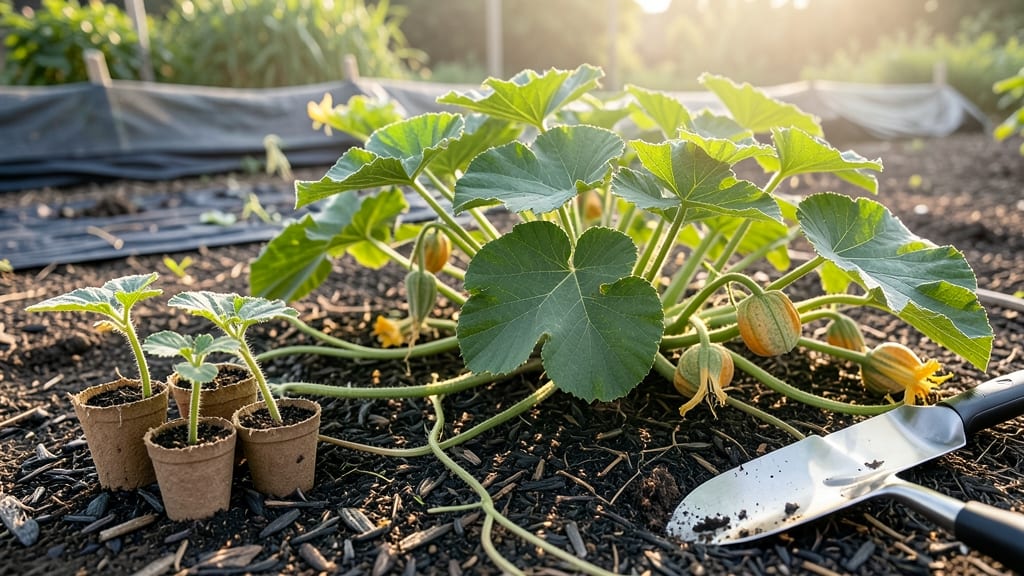
Planting pumpkins in California isn’t one-size-fits-all—your coastal garden and inland plot could have three-month differences in ideal start times. Whether you're in foggy San Francisco or the Central Valley’s heat, getting the timing right means the difference between a bumper crop of 🎃 and a disappointing harvest.
Most gardeners in California’s 9a-10b zones rush to plant too early, only to watch their seeds rot in cold coastal soil or wilt under inland summer heat. The key?
Aligning your schedule with soil temperatures and microclimates—coastal areas can start as early as March, while inland zones often wait until April or May.
In this guide, I’ll break down the exact planting windows for your region, plus how to spot when your soil is truly ready. You’ll also discover which pumpkin varieties thrive in California’s diverse conditions—because not all 🎃 are created equal when it comes to heat tolerance or vine spread.
Ready to avoid the most common mistakes and maximize your harvest? Let’s get your pumpkins in the ground at the perfect time—no guesswork, just results.
Optimal pumpkin planting dates in California by region (coastal vs inland)
California’s microclimates create a 3-month difference in ideal pumpkin planting windows. Coastal areas like San Francisco and Santa Barbara can start as early as late February to March, while inland regions like the Central Valley or desert zones often wait until April or May.
The key factor? Soil temperature—pumpkin seeds need 60-70°F soil to germinate, and coastal fog delays this warming.
Most California gardeners make the mistake of planting too early, especially in USDA zones 9a-10b. Cold coastal soil can cause seeds to rot, while inland heatwaves may stress young plants.
Below, I’ve broken down the exact planting windows for your region, plus how to check soil readiness for foolproof germination.
🌱
| Region | Ideal Planting Window | Soil Temp Requirement | Key Varieties | Harvest Window |
|---|---|---|---|---|
| Coastal (SF, LA, Santa Barbara) | Late February - Early April | 60-70°F (use row covers if cooler) | 'Jack Be Little', 'Sugar Pie' | July - September |
| Central Valley (Fresno, Bakersfield) | Mid-April - Early May | 70-80°F (wait for heat) | 'Howden', 'Cinderella' | August - October |
| Desert (Palm Springs, Joshua Tree) | Late May - Early June | 80-90°F (shade cloth recommended) | 'Small Sugar', 'Autumn Gold' | September - November |
For coastal gardeners, March is the sweet spot—soil warms enough for germination, but you avoid the June gloom that can stress young plants. Inland areas should wait until soil reaches 70°F, typically mid-April, to prevent heat shock.
Use a soil thermometer (just $10 at garden centers) to check—this small tool saves hours of guesswork.
Pro tip: Direct-sow seeds in hills (4-6 feet apart) for better success than transplants. Pumpkin seedlings hate being moved, and their long vines struggle to recover. If you’re in a foggy coastal zone, use black plastic mulch to warm the soil faster—it can add 5-10°F to soil temperature.
🌿
Harvest times also shift by region: coastal pumpkins ripen 4-6 weeks earlier than inland varieties due to cooler nights. Plan ahead if you’re entering fall festivals—July is prime for coastal harvests, while inland gardeners aim for August-September.
Choose heat-tolerant varieties like 'Autumn Gold' for inland zones to avoid blossom-end rot from temperature swings.
One common mistake? Assuming all pumpkins mature in 90 days. Dwarf varieties like 'Jack Be Little' hit harvest in 75 days, while giant types like 'Atlantic Giant' need 120 days.
Match your variety to your last frost date—though California’s frost-free windows are long, late-planted vines may struggle in October’s cooler nights.
☀️
How to adjust pumpkin planting for California’s microclimates
California’s microclimates demand flexibility—what works in foggy Santa Cruz fails in scorching Bakersfield. The secret? Adjusting planting dates and using tools like row covers or shade cloth to extend seasons.
For coastal areas with June gloom, start seeds indoors in February and transplant after March 15 when soil hits 60°F. Inland gardeners should wait until April 15 or later, when nights stay above 55°F to prevent blossom-end rot.
🌱
- 🌬️ Coastal Fog Zones: Use row covers to warm soil by 5-10°F—plant 2-3 weeks earlier than inland areas.
- ☀️ Inland Heatwaves: Choose heat-tolerant varieties like 'Autumn Gold' and plant after May 1 to avoid wilting.
- 🌧️ Desert Areas: Use shade cloth (30-50%) to protect seedlings from 100°F+ soil—water deeply at dusk to retain moisture.
- 🌿 Wind-Prone Regions: Trellis vines to save space and reduce breakage—ideal for Central Valley gardens.
- 🎃 Late Planting Hack: For August starts, pick fast-maturing varieties (e.g., 'Small Sugar') with 75-day harvest times.
If you’re in a coastal fog belt, black plastic mulch is your best friend—it raises soil temps by 10°F and speeds germination. For inland heat, drip irrigation keeps roots cool while delivering water directly.
I’ve seen Central Valley gardeners use 5-gallon buckets filled with water buried near hills to create microclimates—this works surprisingly well in 105°F+ conditions.
Variety selection is critical. Dwarf types like 'Jack Be Little' thrive in containers or small spaces, while standard varieties like 'Howden' need 20+ feet of vine spread. In desert climates, 'Autumn Gold' resists blossom-end rot from extreme temps.
Always check days to maturity—planting a 120-day variety in June means harvesting in October, when nights dip below 50°F and vines slow.
💧
Watering strategies shift by microclimate. Coastal areas need consistent moisture to combat fog dryness, while inland zones require deep, infrequent watering to prevent root rot. I recommend soaker hoses for coastal gardens—they deliver water slowly to mimic natural rainfall.
Inland gardeners should water at dawn to reduce evaporation and mulch heavily to retain soil moisture. One pro tip: Test soil moisture by squeezing a handful—if it crumbles, it’s time to water.
For urban gardeners with limited space, vertical trellising is a game-changer. Pumpkins like 'Sugar Pie' grow well on 6-foot trellises, saving 90% of vine space. Just ensure vines have support within 2 weeks of planting—once they’re 3 feet long, they’re too heavy to move.
In windy inland areas, stake hills with bamboo poles to prevent vines from snapping during Santa Ana winds.
☀️