
Plants
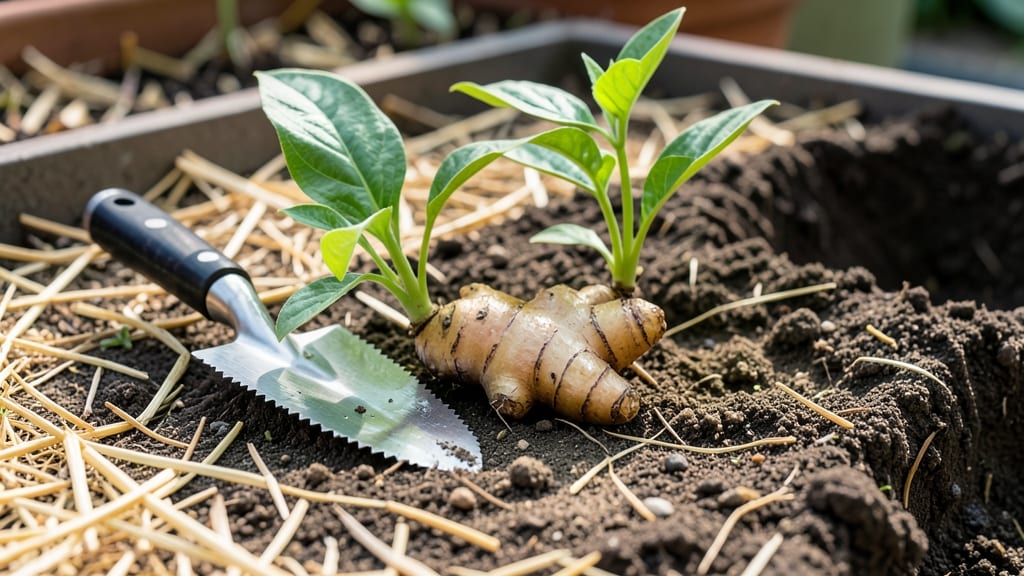
If you’ve ever tried planting ginger in Zone 9 and ended up with soggy rhizomes or stunted growth, you’re not alone. The key to success isn’t just picking the right month—it’s all about soil warmth, which most gardeners overlook.
Unlike cooler climates, Zone 9’s 70°F+ soil triggers fast root growth, and timing it wrong can mean the difference between a bumper harvest and wasted effort.
Most guides tell you to plant in spring, but that’s too vague for Zone 9’s microclimates. Whether you’re in Southern California, Arizona, or Florida, the ideal window is late winter to early spring—February through March—when the ground finally warms up.
I’ll show you exactly how to check soil temperature and avoid the two biggest mistakes that kill ginger plants before they even take root.
Here’s the game-changer: ginger thrives in partial shade and rich, well-draining soil, but too much sun or poor drainage turns your rhizomes to mush.
I’ll walk you through the exact steps to prep your ginger for planting, including how to cut and soak rhizomes for faster growth—plus, the best companion plants to pair with your ginger in Zone 9’s heat.
Ready to grow plump, harvest-ready ginger by fall? Let’s dive into the fastest, foolproof method for planting in Zone 9, so you can skip the guesswork and enjoy fresh rhizomes from October to December.
Zone 9 ginger planting timeline based on soil temperature
In Zone 9, timing your ginger rhizomes isn’t just about months—it’s about soil warmth. Unlike cooler zones, Zone 9’s year-round growing season means you can plant almost anytime, but soil temperature dictates success. The magic number? 70°F or warmer. Below that, your rhizomes may rot before sprouting.
Most Zone 9 gardeners (think Southern California, Arizona, or Florida) plant between February and April, but coastal areas with cooler microclimates may wait until March or April. Inland desert regions can start as early as January if soil warms quickly. The key? Test your soil before planting.
Here’s how to check: Use a soil thermometer (or a meat thermometer) to measure 2 inches deep in the ground. If it’s below 70°F, wait. If it’s consistently above, it’s go time. Morning soil temps are most reliable since afternoon sun can skew readings.
Another trick? Plant in raised beds or black plastic mulch to warm soil faster. This lets you plant 2-4 weeks earlier than in-ground soil. Just ensure the bed drains well—waterlogged rhizomes are a common Zone 9 mistake.
Let’s break down the best months for planting in Zone 9’s two main microclimates: coastal (milder winters) and inland (hotter, drier). The table below shows soil temps, ideal planting windows, and what to watch for in each scenario.
| Microclimate | Soil Temp Threshold | Best Planting Window | Key Considerations |
|---|---|---|---|
| Coastal (e.g., San Diego, Miami) | 70°F+ (consistent) | Late February–March | Cooler nights; use mulch to retain warmth. |
| Inland (e.g., Phoenix, San Antonio) | 75°F+ (ideal) | January–early April | Hotter soil; water deeply to prevent drying. |
| Desert (e.g., Tucson, Las Vegas) | 80°F+ (fastest growth) | December–February | Extreme heat; plant in shade cloth. |
If you miss the spring window, don’t worry—ginger is perennial in Zone 9 and can be planted in fall (September–October) for a winter harvest. However, fall-planted ginger grows slower due to shorter daylight, so it’s best for small-scale home gardens rather than commercial yields.
Pro tip: Mark your calendar for October–December harvests when leaves yellow and die back. This timing ensures you’ve given the rhizomes 8–10 months to mature—critical for plump, flavorful ginger. In Zone 9, you can even harvest partial rhizomes and replant the rest for a staggered yield!
One common mistake in Zone 9 is assuming "warmer = better". While ginger loves heat, intense afternoon sun can scorch leaves. Aim for morning sun + afternoon shade, especially in summer months. A lightweight shade cloth (30–50%) works wonders for protecting young plants.
Finally, remember that ginger thrives in humidity. In dry Zone 9 areas (like Arizona or Texas Hill Country), mulch heavily with straw or wood chips to retain moisture. This mimics the tropical conditions ginger loves, even in arid climates.
With these soil temperature tips, you’ll avoid the two biggest Zone 9 pitfalls: rot from cold soil or struggling growth from late planting. Next up, we’ll dive into preparing your rhizomes for planting—because even the best timing won’t help if your ginger pieces aren’t ready!
Zone 9 ginger planting timeline based on soil temperature
In Zone 9, where winters are mild and summers scorching, timing your ginger rhizomes planting isn't about calendar months—it's about soil temperature. Ginger thrives when soil reaches a steady 70°F or warmer, signaling it's safe to plant without risking rot.
This typically aligns with late winter to early spring, but coastal areas may have earlier windows due to cooler microclimates.
Unlike cooler zones, Zone 9's frost-free status means you won't need to rush planting before last frost. Instead, focus on soil warmth and humidity levels. Planting too early in February might leave rhizomes vulnerable to cool, damp soil, while waiting until May could delay harvests.
The sweet spot? Aim for when daytime highs consistently hit 75°F+.
How to test soil temperature before planting: Use a simple soil thermometer (insert 2 inches deep) for 3 consecutive days. Morning readings between 70°F-75°F confirm readiness. Coastal gardeners in Southern California may start as early as late February, while inland Arizona or Texas areas should wait until March or April.
| Planting Window | Soil Temp Requirement | Zone 9 Microclimate | Key Action |
|---|---|---|---|
| Late February | 68°F-72°F | Coastal (e.g., San Diego) | Test soil temp; plant if stable |
| March | 70°F-75°F | Inland (e.g., Phoenix) | Ideal planting month |
| April | 75°F+ | All Zone 9 | Last chance for harvest |
| May | 80°F+ | Hot inland areas | Risk of heat stress; mulch heavily |
Pro tip: Morning planting in Zone 9 minimizes stress. Ginger rhizomes need 3-4 weeks to establish roots before summer heat peaks. If you plant in May, prioritize shade cloth (30-50% coverage) to protect young shoots from intense afternoon sun, which can scorch tender leaves.
For container growing, soil warms faster than in-ground beds. Use black plastic pots (absorbs heat) and monitor soil temps daily. If your garden soil stays below 70°F past April, consider row covers or a mini greenhouse to create a warmer microclimate.
This is especially critical in higher-elevation Zone 9b areas like Tucson.
Remember: Harvest timing depends on planting date. Rhizomes planted in March will be ready by October-November, while April plantings may not mature until December. Plan ahead to avoid disappointment—ginger needs 8-10 months to reach full size in Zone 9's heat.