
Plants
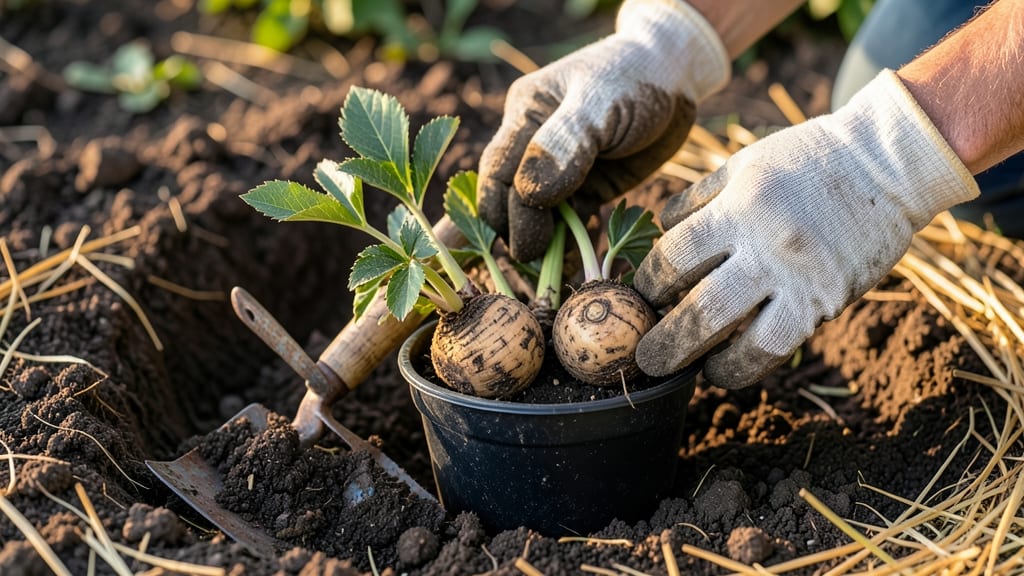
Timing your dahlia planting in Southern California can feel like solving a puzzle—coastal breezes, inland heat waves, and those pesky microclimates all play a role. One wrong move, and your 🌼 dahlias might bolt too early or wilt before they even bloom.
But here’s the good news: with the right strategy, you can turn your garden into a summer-long spectacle of color.
Whether you’re in chilly Santa Barbara or sweltering Riverside, the key is understanding your local frost dates and soil temperatures. Plant too soon, and your tubers might rot; too late, and you’ll miss peak blooming season.
I’ll break down exactly when to dig in—plus pro tips to keep your dahlias thriving through SoCal’s wild weather swings.
You’ll learn how to adjust for coastal vs. inland conditions, when to start tubers indoors (if needed), and how to prep your soil for maximum growth. No more guessing games—just lush, vibrant dahlias that steal the show from July through October.
Let’s get your planting schedule locked in for a garden that’s the envy of the neighborhood.
Ready to transform your yard into a dahlia paradise? The secret starts with knowing when to plant—and trust me, the difference between a disappointing display and a showstopper comes down to timing. Let’s make sure you’re on the right track from day one.
Southern California dahlia planting calendar: coastal vs inland timing guide
Timing your dahlia planting in Southern California isn’t one-size-fits-all. Coastal areas like San Diego and Santa Barbara enjoy milder winters, while inland zones like Riverside and Palm Springs face intense heat earlier.
The key is planting after your last frost date—typically mid-December to January for coastal regions and late January to February inland. Soil temperature matters too: dahlias thrive when soil reaches 60°F.
For coastal gardeners, February through early March offers the safest window. Inland areas can start as early as late January but must rush to avoid summer heat stress.
Pre-grown plants offer flexibility, while tubers need extra warmth to sprout. Always check your USDA Zone 9b-11 microclimate—even within 20 miles, conditions can shift dramatically.
🌱
| Factor | Coastal (Zone 9b-10a) | Inland (Zone 10b-11) |
|---|---|---|
| Last Frost Date | Mid-December to January | Late January to February |
| Ideal Planting Window | February–March | Late January–Early March |
| Soil Temp Threshold | 60°F+ (early Feb) | 60°F+ (late Jan) |
| Heat Risk | Low (cooler summers) | High (100°F+ by May) |
| Best Plant Type | Tubers or pre-grown | Pre-grown (faster establishment) |
| Post-Planting Care | Light shade cloth | Heavy mulching + afternoon shade |
If you’re planting tubers, start them indoors 6-8 weeks before your target outdoor date. Use a soil thermometer to confirm warmth—dahlias won’t sprout in cold soil. For pre-grown plants, coastal gardeners can begin in late February, while inland areas should wait until mid-March to avoid heat shock.
Always harden off seedlings for 7-10 days before transplanting.
🌿
Heat is your biggest enemy inland. Dahlias wilt quickly in 100°F+ temperatures, so plan for afternoon shade using shade cloth or strategic planting near taller perennials. Coastal gardeners can push blooms into late fall (November) with minimal shade, while inland dahlias may struggle past early October without protection.
Choose heat-tolerant varieties like ‘Café au Lait’ or ‘Bishop’ for inland gardens.
Pro tip: Stagger your planting by 2-3 weeks to extend your bloom season. Plant a few tubers in February, then another batch in March for continuous color. This works especially well for cut flower gardens, where you want blooms from June through October.
🌼
Don’t forget to prep your soil 2-3 weeks before planting. Dahlias crave well-draining, nutrient-rich soil with a pH of 6.5-7.0. Mix in compost or aged manure and avoid fresh organic matter, which can cause rot.
If your soil is heavy clay (common in LA Basin), amend with sand or perlite to improve drainage. Coastal soils often need more organic matter due to their sandy nature.
Finally, mark your calendar for first frost warnings in November. While Southern California rarely sees frost, unexpected cold snaps can damage tender dahlia foliage. If temperatures dip below 32°F, cover plants with frost cloth or move potted dahlias indoors.
With the right timing, your dahlias will reward you with bold blooms from midsummer to fall.
☀️
5 Critical factors that determine your perfect planting window
Planting dahlias in Southern California isn’t just about picking a month—it’s about reading your microclimate’s signals. The 5 critical factors below will help you pinpoint the exact moment when your tubers or plants are ready to thrive.
Start by checking your last frost date, which in SoCal typically ranges from December 15 (coastal) to January 15 (inland). But don’t stop there!
Next, grab a soil thermometer—dahlias demand soil temperatures of at least 60°F (15°C) to sprout consistently. Inland areas like Riverside hit this mark by late February, while coastal zones like Santa Barbara may wait until early March.
Pro tip: If your soil is still chilly, consider black plastic mulch to warm it faster.
Don’t overlook afternoon heat intensity, especially in inland valleys. Varieties like ‘Café au Lait’ (heat-tolerant) can handle 90°F+ afternoons, but ‘Karma Choc’ may bolt prematurely. Plant coastal dahlias in partial shade if your area gets afternoon fog—this mimics their natural high-altitude origins.
Another game-changer? Drought risk in your zone. Inland areas like Palm Springs face water restrictions by May, while coastal San Diego can stretch watering through June.
Amend your soil with 3 inches of compost to retain moisture, and mulch with straw or wood chips to reduce evaporation by 30-50%.
Finally, account for container vs. in-ground planting. Pots heat up 10-15°F faster than soil, so container gardeners should plant 2-3 weeks later than ground planters. Use fabric grow bags for better airflow and heat dissipation.
Master these factors, and you’ll transform guesswork into a bloom-filled guarantee. Start your