
Plants
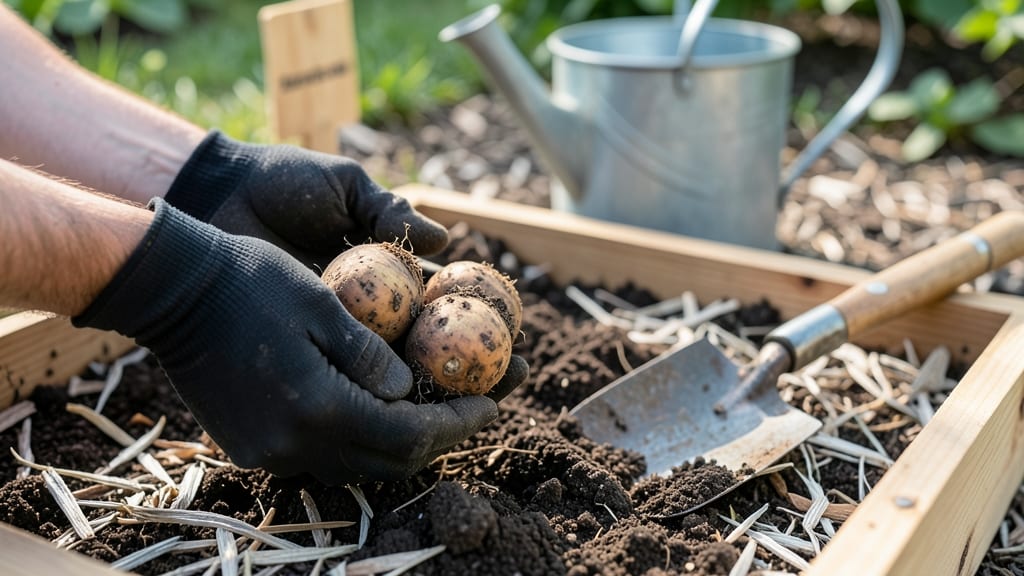
Timing your dahlia tuber planting in Michigan can make or break your 🌸 blooms—one wrong move, and frost will turn your dreams into disappointment. With Michigan’s 5b-6b zones, you can’t just follow a generic calendar; you need to watch for soil warmth and last-frost dates that shift yearly.
Most gardeners wait until mid-April to mid-May, but that’s not always safe. The key is planting only after the soil hits 50-60°F, which typically lands in late May for northern Michigan—weeks after the last frost warning.
Skipping this step means risking stunted growth or worse, tubers rotting in cold soil.
In this guide, I’ll walk you through the exact steps to time your dahlias perfectly, from soil tests to hardening off tubers. You’ll learn how to beat Michigan’s unpredictable spring and still enjoy peak blooms from July to October—no guesswork required.
Ready to transform your garden? Let’s dive into the zero-frost planting strategy that works, even when Mother Nature throws curveballs your way.
Michigan’s ideal dahlia planting timeline by soil temperature (not just calendar dates)
Forget relying on calendar dates alone—Michigan’s soil temperature is the real deciding factor for planting dahlia tubers. While last frost dates (mid-April to early May) are often cited, dahlias need warmer soil (50-60°F) to thrive.
In USDA zones 5b-6b, this typically means waiting until mid-to-late May in most regions, but northern Michigan may need to push into early June.
Cold soil slows root growth, leaving tubers vulnerable to rot or frost damage. I’ve seen gardeners in Traverse City plant in early May only to watch their dahlias wilt when a late frost hit.
The key is soil warmth over calendar dates—use a soil thermometer to confirm readiness before digging.
Michigan’s climate varies dramatically: southern regions (like Detroit) can plant as early as mid-April if soil warms early, while northern areas (Upper Peninsula) may not reach ideal temps until June. Always check Michigan State University Extension for localized frost forecasts.
Here’s the golden rule: Dahlias need 60°F soil to grow roots actively. In zone 5b (northern MI), this often aligns with May 15-30, while zone 6b (southern MI) can start 2-3 weeks earlier.
Planting too early? Your tubers will rot in cold, wet soil. Planting too late? You’ll miss peak summer blooms.
🌱
| Region | USDA Zone | Ideal Planting Window | Soil Temp Check | Frost Risk |
|---|---|---|---|---|
| Southern Michigan (Detroit, Ann Arbor) | 6a-6b | Mid-April to early May | 55-60°F (use thermometer) | Low after April 15 |
| Central Michigan (Lansing, Grand Rapids) | 5b-6a | Late April to mid-May | 60°F minimum | Moderate until May 10 |
| Northern Michigan (Traverse City, UP) | 5a-5b | Early to mid-May | 60°F+ (often June) | High until May 20 |
| All Regions (Late Start) | 5a-6b | June (if missed window) | 60°F+ guaranteed | None (summer heat) |
If you’re unsure about your local frost dates, use the Michigan State University Extension’s frost calculator—it factors in microclimates and elevation. I once planted dahlias in Holland, MI, only to have them fried by a 90°F heatwave in July.
Timing isn’t just about frost; it’s also about avoiding heat stress in young plants.
Pro tip: Pre-sprout tubers indoors in March if you’re eager to plant early. Place them in a bright, warm spot (70°F) and watch for 2-inch sprouts before transplanting. This gives you a 2-week head start on the season, critical in zone 5b where summers are short.
For container gardening, warm up soil faster by using black plastic mulch or heat-absorbing fabric. I’ve seen containers reach 60°F soil temps a full week earlier than in-ground beds. Just be sure to acclimate tubers gradually to avoid shock.
Remember: Dahlias are not frost-tolerant. Even a light freeze (28°F) can kill emerging shoots. Always have a row cover ready for late spring surprises. In my zone 5b garden, I’ve lost entire batches because I underestimated Michigan’s whiplash weather.
🌡️
5 Signs your Michigan garden is ready for dahlias (before you dig)
Don’t rely on calendar dates—Michigan’s last frost can vary by 2-3 weeks between northern USDA Zone 5b and southern Zone 6b regions. Instead, watch for these 5 field-ready cues to confirm your dahlias are safe from frost.
First, check the soil temperature with a soil thermometer—dahlias thrive when soil reaches 60°F at 6-inch depth. If it’s still below 50°F, wait another 1-2 weeks for roots to establish properly.
🌱 5 Ready-to-Plant Signs
- 1. Soil warmth: 60°F+ at 6" depth (test with thermometer)
- 2. Tree bud burst: Maple or birch leaves fully unfurled (last frost risk drops)
- 3. Night temps stable: No frost warnings for 5+ consecutive nights
- 4. Daytime highs: Consistent 70°F+ for 3+ days
- 5. Ground thaw: No ice in garden beds (even in shade)
Next, observe native tree cues. When sugar maples or paper birches in your area burst into leaf, the frost risk drops 80%. This natural barometer aligns with Michigan’s average last frost dates—typically May 10-20 in southern regions but May 25-June 1 in northern areas.
For extra safety, harden off your tubers 1 week before planting. Place them in a shady, sheltered spot during the day and bring them in at night for 3-5 days. This mimics Michigan’s unpredictable spring and prevents shock when transitioning to outdoor conditions.
Watch the weather forecast for 5+ consecutive nights above 32°F. Even if soil is warm, a late frost can devastate young dahlias. Use row covers if temps dip below 40°F after planting for 2-3 weeks of protection.
Finally, avoid the June planting trap. While late plantings can work, dahlias need 90-120 days to bloom. Planting after June 15 risks smaller blooms or no flowers before frost. If you miss the window, opt for cold-hardy varieties like ‘Karma Choc’ or ‘Café au Lait’ for better resilience.