
Plants
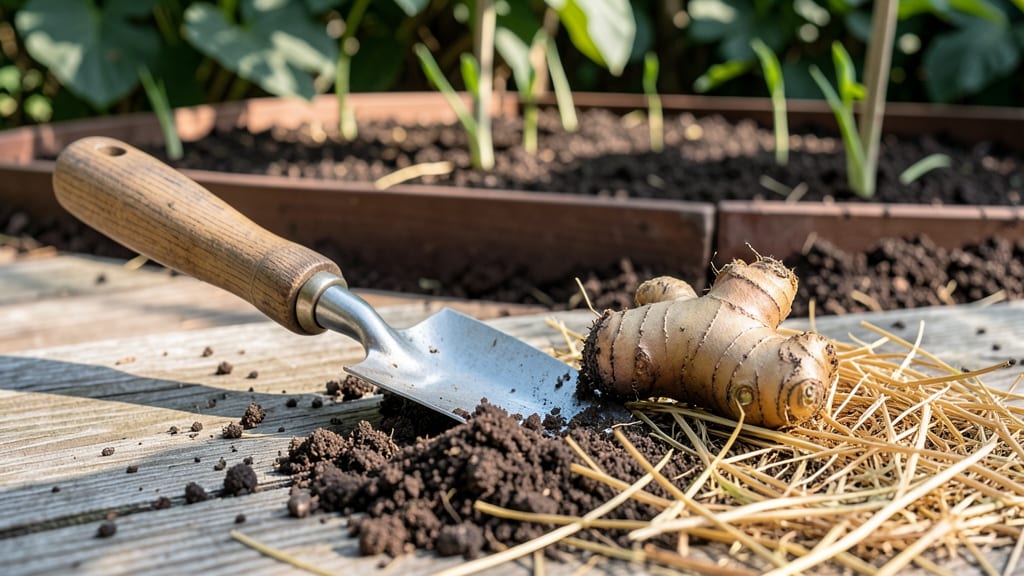
Optimal planting windows for ginger in North Carolina by season
North Carolina’s USDA zones 7a-8b create a unique growing environment for ginger, where you can plant year-round in warmer microclimates like the coast. However, spring and fall remain the most reliable windows for consistent harvests.
The key is aligning your planting with soil temperatures—ginger rhizomes need 60-70°F soil to sprout reliably.
In coastal NC (zones 8a-8b), you can plant ginger as early as February and even into November, thanks to milder winters. But in the Piedmont (zones 7a-7b), wait until mid-March for spring planting and September for fall to avoid frost damage.
Mountain regions (zones 6b-7a) should stick to April-May for spring and late September for fall.
Here’s the critical rule: Plant ginger rhizomes 2-4 weeks before your last frost date for spring, and 4-6 weeks before your first frost for fall. This gives roots enough time to establish before extreme temperatures arrive.
For example, in Raleigh (zone 7b), aim for March 15-April 15 in spring and September 15-October 15 in fall.
| Season | Best Planting Months | Soil Temp Requirement | Microclimate Notes |
|---|---|---|---|
| Spring | March-April (coastal) April-May (Piedmont) May (mountains) |
60-70°F | Plant after last frost; coastal areas can start earlier. |
| Fall | September-October (coastal) September (Piedmont) Late August (mountains) |
65-75°F | Aim for 4-6 weeks before first frost; harvest before winter. |
| Year-Round (Coastal) | February-November | 60-70°F (avoid winter planting) | Warmer zones like Wilmington can plant almost anytime; avoid frost. |
One common mistake NC gardeners make is planting ginger too early in spring when soil is still cold. Test your soil temperature with a soil thermometer—if it’s below 60°F, wait another week.
For fall plantings, September is ideal because ginger needs 4-6 months to mature before winter sets in.
If you’re in a hotter inland region like Fayetteville, provide afternoon shade during summer to prevent rhizomes from drying out. Coastal areas like Morehead City can handle full sun year-round, but partial shade (4-6 hours of sunlight) is safer for most of NC.
The goal is to mimic ginger’s native tropical habitat—warmth without scorching heat.
For container growing, which is popular in urban NC areas, plant ginger in large pots (12+ inches deep) and move them indoors if temperatures drop below 50°F. This flexibility lets you extend your growing season into winter in a greenhouse or on a sunny windowsill.
Remember: Ginger is a tropical plant, and NC’s climate pushes its limits. The bigger your rhizome at planting, the faster it grows—so choose 2+ inch pieces for earlier harvests.
Smaller rhizomes (1 inch) may take 2-3 months longer to mature, which is critical if you’re planting late in the season.
Pro tip: Mark your calendar for October 15—this is the last safe date to plant ginger in most of NC for a fall harvest. By this time, rhizomes will have 8-10 weeks of warm soil to establish before winter.
How rhizome size determines your planting strategy—and harvest speed
Ginger rhizomes aren’t all created equal—and in North Carolina’s climate, their size directly impacts when you can plant and how quickly you’ll harvest. Larger rhizomes (2+ inches) pack more energy, allowing you to plant them 4-6 weeks earlier than smaller pieces.
This head start means faster growth and a harvest window shift of up to 2 months.
For example, if you plant a 3-inch rhizome in early March, you might harvest by late October. But a 1-inch piece planted the same day could delay your harvest until December or even next spring.
The trade-off? Smaller rhizomes multiply faster, giving you more plants for the same cost.
Here’s the key: Soil temperatures in NC need to stay above 60°F (15°C) for rhizomes to sprout.
Larger roots can handle cooler soil better, while tiny pieces may rot if planted too early. Coastal areas (like Wilmington) can plant earlier, but mountain regions (like Asheville) should wait until soil warms fully.
| Rhizome Size | Best Planting Window | Harvest Timeline | Yield per Rhizome |
|---|---|---|---|
| 2+ inches | Early March–April (spring) or late August (fall) | 10–12 months (fall harvest) | 1–2 large rhizomes |
| 1–1.5 inches | Mid-April–May (spring) or September (fall) | 12–15 months (spring harvest) | 2–3 smaller rhizomes |
| <1 inch (budded) | Late April–May (spring only) | 15–18 months (next spring) | 3–5 tiny rhizomes |
🌱 Note: Coastal NC can plant 2–3 weeks earlier than Piedmont/mountains.
If you’re dividing larger rhizomes to plant multiple pieces, aim for each section to have at least 1–2 buds. Smaller pieces may take 30–50% longer to establish, so adjust your planting timeline accordingly. For container growing, larger rhizomes are ideal—they outcompete weeds and establish faster in pots.
Pro tip: Soak rhizomes overnight before planting to kickstart growth, especially for smaller pieces. This 24-hour soak mimics NC’s spring rains and helps offset cooler soil temperatures. Just avoid over-soaking, or they’ll rot before sprouting.
Remember, ginger is a perennial in NC’s climate, but most gardeners treat it as an annual crop for simplicity. If you leave rhizomes in the ground, they’ll regrow each year, but yields decline after 2–3 harvests. For consistent results, replant fresh rhizomes every 12–18 months.