
Plants
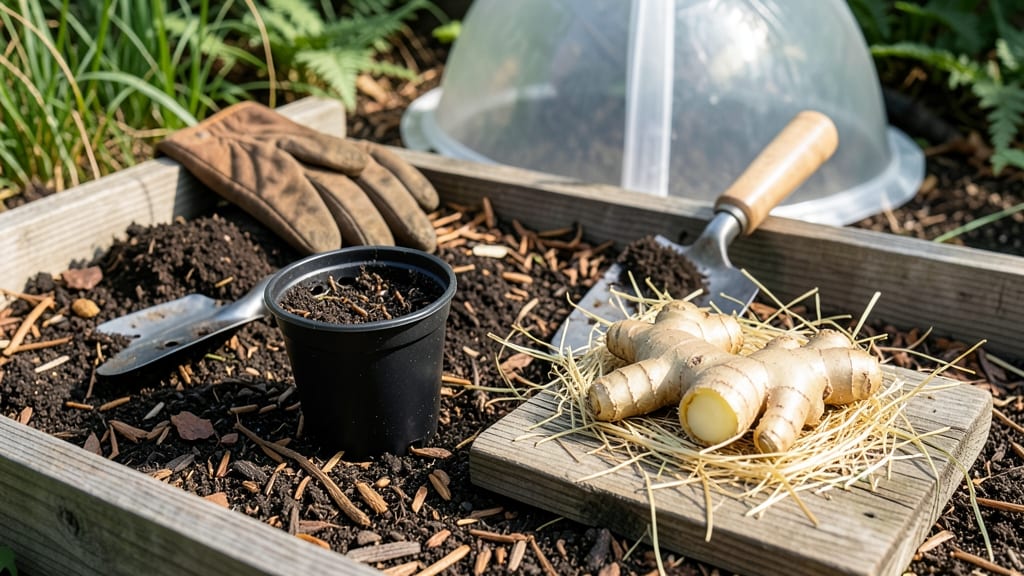
If you're dreaming of a bountiful harvest of fresh ginger in your Zone 8 garden, when to plant ginger in zone 8 is the first step to success.
Planting your 🌿 ginger rhizomes at the wrong time could mean struggling with weak growth or even losing your crop to unexpected frost. The good news? Zone 8 gardeners have two prime opportunities to plant—spring and early fall—each with its own advantages.
Spring planting, typically between March and April, gives ginger plenty of warm weather to develop strong roots before summer heat arrives. Meanwhile, early fall planting in September or October allows for a longer growing season, often producing larger rhizomes by harvest time.
But which window works best for your specific microclimate?
Beyond timing, soil temperature and preparation play a crucial role in ginger's growth. We'll break down everything you need to know—from ideal soil conditions to spacing and post-planting care—to ensure your ginger thrives from start to harvest. Let's get your ginger off to the best possible start!
Whether you're a seasoned gardener or new to growing ginger, these insights will help you avoid common pitfalls and maximize your yield. With the right approach, you could be harvesting plump, flavorful rhizomes in just 8-10 months—perfect for cooking, teas, or even gifting to friends!
Optimal Zone 8 ginger planting times: spring vs fall breakdown
In Zone 8, where last frost typically occurs around March 15 and first frost arrives by November 15, ginger thrives best when planted during two key windows: late spring (March–April) or early fall (September–October).
These timings align with soil temperatures between 60–70°F, which ginger needs to sprout and establish roots effectively.
Spring planting gives ginger 8–10 months to mature before winter, while fall planting allows it to develop roots before cooler weather slows growth. Both approaches work well, but each has distinct advantages depending on your microclimate and local frost patterns.
Soil temperature is the most critical factor—ginger rhizomes won’t sprout until the ground warms to at least 60°F. In Zone 8, this usually happens by early April, but Southern California may see warmer soils as early as March, while Georgia or Texas might need to wait until late March.
Here’s a detailed comparison to help you decide which planting window suits your garden best:
For spring planting, aim to get rhizomes in the ground by mid-April to ensure they have enough time to establish before summer heat sets in. In Southern California, you might even start as early as February if your soil warms quickly.
If you prefer fall planting, choose late September to give ginger time to develop roots before temperatures drop.
In Georgia or Texas, where winters are milder, you can push planting to early October, but avoid planting too late—ginger needs 6–8 weeks of warm soil to sprout before cooler weather arrives.
Both planting windows yield harvest-ready rhizomes, but spring planting often produces larger roots due to the extended growing season. Fall planting, however, gives you an earlier harvest and avoids the intense summer heat that can stress ginger plants.
Pro tip: Use a soil thermometer to confirm your soil is at least 60°F before planting. If temperatures are still cool, wait another week—ginger won’t sprout until conditions are right.
🌱
Optimal Zone 8 ginger planting times: spring vs fall breakdown
In Zone 8, your ginger planting success hinges on two key windows: spring (March–April) and early fall (September–October). Each offers distinct advantages, but both require precise timing to avoid frost damage or stunted growth.
Let’s compare these options so you can choose what works best for your microclimate—whether you're in Texas, Southern California, or Georgia.
The spring window (after your last frost date, typically mid-March) gives ginger a full 8-10 months to mature before winter. This is ideal if you want to harvest rhizomes in late fall.
Meanwhile, fall planting (by early October) allows ginger to establish roots before winter, often yielding larger rhizomes by the following harvest season.
| Factor | Spring Planting (March–April) | Fall Planting (September–October) |
|---|---|---|
| Soil Temperature | 60–70°F (ideal for sprouting) | 65–75°F (roots establish before cold) |
| Frost Risk | Low after last frost (March 15+) | High after November 1 (prepare for mulch) |
| Growth Cycle | 8–10 months to harvest | 10–12 months (harvest next fall) |
| Best For | First-time growers, quick harvests | Larger rhizomes, experienced gardeners |
For Zone 8 gardeners, spring planting is often the easiest option because it aligns with natural warming trends. However, fall planting can be rewarding if you’re willing to invest in mulching or row covers to protect young plants from early frosts.
Both methods work, but your local microclimate will dictate which window suits you best.
Pro tip: Test your soil temperature before planting—ginger rhizomes need consistent warmth to sprout. Use a soil thermometer to confirm temperatures are above 60°F before planting.
If you’re in a cooler pocket of Zone 8 (like higher elevations), err on the side of late spring or early fall planting to avoid chilly surprises.
Regardless of when you plant, always choose plump, firm rhizomes with visible buds. Soak them in water for 6–8 hours before planting to encourage faster sprouting. With the right timing and care, you’ll be harvesting homegrown ginger in no time! 🌱