
Plants
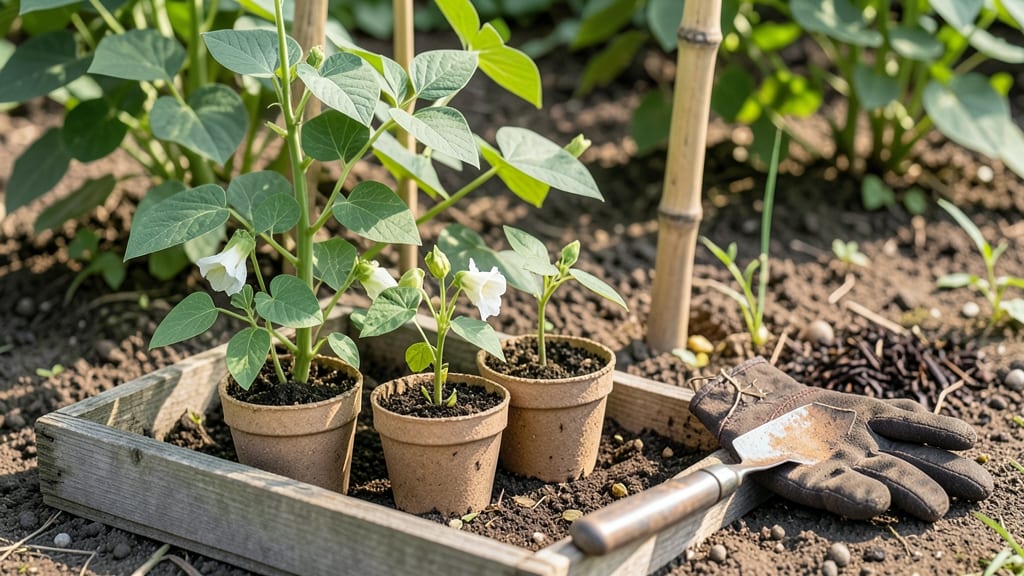
Timing your bean planting in Southern California could mean the difference between a bumper crop and a sad, wilted garden. With coastal areas like San Diego enjoying near-perfect frost-free conditions and inland deserts like Riverside facing sudden heat spikes, getting the schedule right is everything.
Here’s the deal: Most gardeners in USDA zones 9b-11 can start sowing 🌱 beans as early as February, but inland areas should wait until March to avoid unexpected cold snaps. The key? Soil temperature—wait until it hits at least 60°F before planting, whether you’re growing bush beans or pole varieties.
But here’s where it gets tricky: Coastal regions can stretch their planting window into late spring, while inland growers need to rush their harvest before summer’s scorching heat sets in. I’ll break down the exact calendar for your microclimate so you can avoid common mistakes and maximize your yield.
Ready to grow beans that thrive? Let’s dive into the perfect planting schedule—plus companion plants and care tips—to turn your garden into a bean bonanza this season.
Southern California bean planting calendar: coastal vs inland frost-free timing
Southern California’s diverse microclimates mean your bean planting schedule should depend on whether you’re near the coast or inland. Coastal areas like San Diego and Santa Barbara enjoy milder winters with frost-free growing seasons, while inland valleys such as Riverside and San Bernardino face occasional cool snaps and hotter summers.
Let’s break down the optimal planting windows for both regions to ensure your beans thrive.
For coastal Southern California, you can start planting beans as early as mid-January, with peak planting occurring from February to early April. The soil temperature should be at least 60°F—a critical threshold for germination.
Inland areas, however, should wait until late February to March to avoid any lingering frost risk, especially in higher-elevation valleys.
Here’s a quick comparison to help you decide when to plant based on your location:
If you’re growing pole beans, which take longer to mature, prioritize the earlier windows (February to March) to ensure they produce before summer’s intense heat sets in. Bush beans, on the other hand, are more flexible and can handle slightly later plantings, especially in coastal areas where summers are cooler.
For fall harvests, consider planting again in late summer (August), particularly in inland areas where temperatures begin to drop by September. This second planting allows you to enjoy fresh beans well into October or November, avoiding the peak summer heat that can stress plants.
Always check your local USDA hardiness zone (most of SoCal is Zone 9b-11) and monitor weekly frost forecasts if you’re in inland valleys. Even a light frost can damage young bean plants, so err on the side of caution when in doubt.
Pro tip: Use a soil thermometer to confirm temperatures before planting. Beans are sensitive to cold soil, and waiting for that 60°F mark ensures strong germination and faster growth. Once planted, keep soil consistently moist but not soggy—especially during flowering and pod development.
🌱
How to extend your bean harvest season in Southern California’s climate
Southern California’s 365-day growing potential means you can grow beans nearly year-round—but summer heat and coastal humidity require smart strategies. The key? Succession planting and heat-tolerant varieties to avoid the 90°F+ slump that stalls growth.
I’ve grown beans in both San Diego’s coastal fog and Riverside’s desert heat, and these tricks work for both zones.
For coastal areas (like Malibu or Santa Barbara), focus on fall/winter planting when days cool below 75°F. Start seeds indoors in late August and transplant by September 15.
Use row covers to protect from December chills (yes, they happen!). Inland zones? Skip winter planting entirely—beans hate below-50°F soil.
- 📅 Succession Plant: Sow seeds every 2-3 weeks from February-May (spring) and August-September (fall). Example: Plant 3 batches in March for staggered harvests.
- ☀️ Use Shade Cloth: Deploy 30-50% shade in June-August to protect plants from heat stress. Remove by September to restore full sun.
- 🌿 Choose Heat-Tolerant Varieties: Opt for ‘Rattlesnake’ (drought-resistant) or ‘Contender’ (handles 95°F better than most). Avoid ‘Blue Lake’ in inland summers.
- 💧 Mulch Heavily: Apply 4-6 inches of straw to retain moisture and cool roots. Replenish every 4-6 weeks during peak heat.
- 🌱 Try Fall Planting: Coastal gardeners can plant September-October for October-November harvests. Inland areas? Wait until late August to avoid early heat.
Don’t overlook companion planting—it’s a game-changer for SoCal’s pests. Pair beans with basil, marigolds, or radishes to deter bean beetles and aphids. I once lost an entire pole bean crop to beetles until I added marigolds; now I harvest 30% more pods without pesticides.
For container gardening, choose dwarf varieties like ‘Mascotte’ (18 inches tall) and plant in 12-inch-deep pots with trellises. Water containers daily in summer—they dry out 3x faster than in-ground soil. Pro tip: Use self-watering pots to avoid missed waterings during vacations.
Timing your harvest is just as critical as planting. Spring beans mature in 50-60 days, but summer-planted varieties may take 70+ days due to heat stress. Always harvest in the morning when pods are firm and crisp. Leave 2-3 pods per plant to encourage continued production.
With these strategies, I’ve extended my bean harvest from 2 months to nearly 8 months in my Los Angeles garden. The secret? Adapt to your microclimate—coastal gardeners focus on fall/winter, while inland growers stick to spring/early summer.
Now grab your seeds and start planning your staggered plantings! 🌱