
Plants
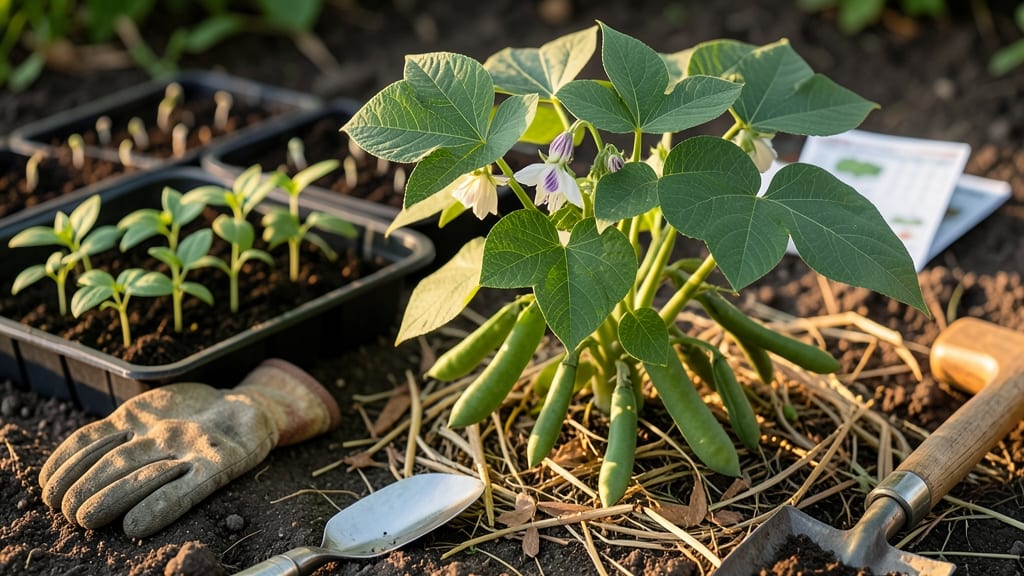
Planting beans in Florida isn't as simple as tossing seeds into the dirt and hoping for the best. The wrong timing can send your 🌱 beans bolting before you even get a harvest, leaving you with bitter pods or no harvest at all.
Florida's long growing season means you actually have two prime windows—fall and spring—but nailing the exact months makes all the difference.
Most gardeners assume beans can handle Florida’s heat, but that’s where they go wrong. The key is planting when soil temperatures stay cool enough to prevent premature flowering, yet warm enough to kickstart growth.
I’ll break down the ideal months for each bean type and how to adjust for your specific microclimate, whether you're in Miami’s humidity or Orlando’s occasional dry spells.
You’ll also discover how to pick heat-tolerant varieties that thrive in Florida’s climate, avoiding the common mistakes that lead to wasted effort. From soil prep to companion planting, these strategies will help you grow beans that produce consistently—no matter the season.
Let’s get started with the exact planting schedule and tips to keep your beans happy from seed to harvest.
Best months to plant beans in Florida (by variety & heat tolerance)
Florida’s unique climate lets you grow beans almost year-round, but timing matters to avoid bolting (premature flowering) and maximize yields. Unlike northern states, you don’t need to wait for spring—just align planting with soil temperatures and humidity patterns.
The best windows are fall/winter (September–March) and early spring (March–May), with heat-tolerant varieties extending options into summer.
Most Florida gardeners focus on snap beans and pole beans, but lima beans also thrive with proper timing. The key is planting when daytime highs stay below 90°F—above that, beans struggle to set pods.
In South Florida (zones 10–11), you can even plant year-round with shade and extra water, while North Florida (zones 8–9) benefits from cooler fall/winter seasons.
Here’s your Florida bean planting calendar, broken down by variety and microclimate. Use this as your guide to avoid the peak summer slump (June–August) when beans often bolt or produce poorly.
| Variety | Best Planting Months | Soil Temp Requirement | Heat Tolerance | Notes |
|---|---|---|---|---|
| Snap Beans (Bush) | September–March, August (North FL) | 60–75°F | Moderate | Fast-growing; harvest in 50–60 days. |
| Pole Beans | October–February, June–July (shade) | 65–80°F | High | Vining types need trellises; harvest 60–90 days. |
| Lima Beans | March–May, September–October | 70–85°F | Low (needs warmth) | Bush types preferred; harvest in 80–100 days. |
| Heat-Tolerant Varieties | May–July (with shade) | 75–90°F | Very High | Examples: ‘Rattlesnake’ beans, ‘Scarlet Runner’. |
🌱 Pro Tip: Test soil temperature with a thermometer—beans won’t germinate below 60°F.
For North Florida (Panhandle, Gainesville), aim for September–March to avoid summer’s extreme heat. In Central Florida (Orlando, Tampa), you can push into late August with shade cloth, while South Florida (Miami, Key West) allows year-round planting with proper care.
Always plant after the last heatwave—check your local Florida Climate Network for real-time soil temps.
Succession planting every 2–3 weeks ensures a continuous harvest. For example, sow a batch in September, another in November, and a final one in February to stretch your season.
This works especially well for bush beans, which mature quickly. Pole beans, however, benefit from a single late-winter planting for a longer harvest window.
If you’re growing lima beans, prioritize spring (March–May) or fall (September–October)—they need warmer soil but can’t handle Florida’s peak summer humidity. For pole beans, use trellises to save space and improve airflow, reducing fungal risks in Florida’s damp climate.
Always choose dwarf varieties for containers or small spaces, like ‘Blue Lake Bush’ or ‘Kentucky Wonder’.
One common mistake is planting too early in spring when soil is still cool. Use a soil thermometer to confirm temps are above 60°F before sowing. In summer, focus on shade-tolerant varieties and water deeply in the morning to prevent bolting.
Mulch with straw or grass clippings to retain moisture and cool roots during Florida’s intense
Best months to plant beans in Florida (by variety & heat tolerance)
Florida’s two distinct planting seasons—fall/winter and spring—offer the best chances for a successful bean harvest. Unlike northern states, you won’t deal with frost, but heat stress and bolting (premature flowering) are real threats.
The key is planting when soil temperatures stay below 85°F and daytime highs don’t exceed 90°F for extended periods.
Most Florida gardeners focus on cool-season varieties like bush beans and pole beans, which thrive in January through March and September through November. These months provide ideal soil temperatures (60-75°F), preventing the stress that triggers bolting.
Even heat-tolerant varieties struggle when planted during peak summer (June-August), so timing is everything.
| Variety Type | Best Planting Months | Soil Temp Range (°F) | Days to Harvest |
|---|---|---|---|
| Snap Beans (Bush) | Jan-Mar, Sep-Nov | 60-75°F | 50-60 days |
| Pole Beans | Jan-Mar, Sep-Oct | 65-78°F | 60-75 days |
| Lima Beans | Feb-Apr, Sep-Oct | 70-80°F | 75-90 days |
| Heat-Tolerant Varieties (e.g., 'Black Valentine') | May-Jun, Aug-Sept | 75-85°F | 55-70 days |
For North Florida (Zones 8a-9a), aim for earlier plantings—like late December or early January—to beat the heat. In South Florida (Zones 10a-11), you can stretch plantings into late April or even early May for heat-tolerant varieties, but always monitor soil temperatures with a probe.
A simple soil thermometer ($10 at garden centers) will save you from bolting disasters.
Pro tip: Succession planting every 2-3 weeks during your chosen window ensures a continuous harvest. For example, plant a batch in January, then again in February, and finally in March for a staggered yield. This works especially well for bush beans, which mature quickly.
If you’re tempted to plant in summer (June-August), opt for heat-tolerant varieties like 'Black Valentine' or 'Scarlet Runner' and provide afternoon shade with a 30-50% shade cloth. Without these precautions, beans bolt within 10-14 days, turning your garden into a seed factory instead of a pod producer.
Remember: Florida’s humidity is your friend for bean growth, but consistent moisture is non-negotiable. Mulch with straw or pine needles to retain soil moisture and keep roots cool—this single step can double your yield in Florida’s heat.