
Trees
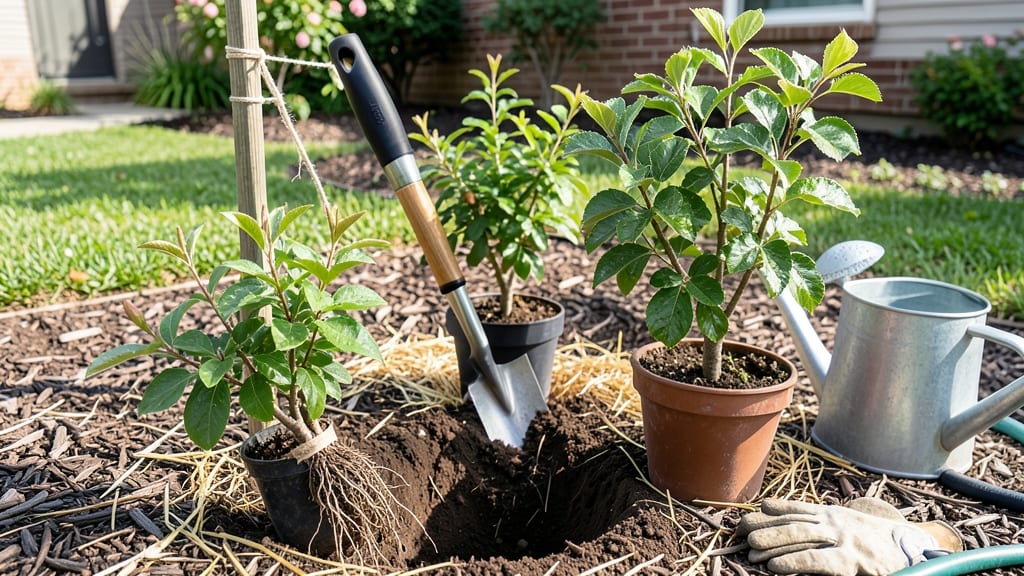
Timing your fruit tree planting in Central Texas can mean the difference between a thriving orchard and years of disappointment. With our unique 8a-9a climate, getting the window right ensures your 🍎🍊🍒 trees establish strong roots before summer's brutal heat arrives.
Most gardeners assume spring is the only option, but Central Texas offers a critical 6-week window between late February and early March when soil warmth and rainfall align perfectly. Miss this period, and you risk stunted growth or even transplant shock from our infamous heat spikes.
In this guide, I'll break down the best months for each fruit variety, from peaches to citrus, plus soil prep secrets and irrigation hacks that work in our region. Whether you're planting bare-root saplings or container-grown trees, these insights will help you avoid common mistakes that derail new plantings.
Let's dive into the exact timing and techniques that'll give your fruit trees the fighting chance they need to thrive in Central Texas' challenging growing conditions. Your future harvest depends on getting this right!
Best planting months for fruit trees in Central Texas by variety
Central Texas's USDA Zones 8a-9a offer a unique growing window for fruit trees, but timing matters more than most gardeners realize. The ideal planting window for most varieties is late winter to early spring (February through March), when soil temperatures rise above 50°F but before the brutal summer heat arrives.
This balance helps young roots establish while avoiding transplant shock from extreme temperatures.
However, not all fruit trees thrive on the same schedule. Citrus trees (like Meyer lemons or oranges) prefer fall planting (October-November) to avoid summer stress, while stone fruits (peaches, plums) demand early spring planting to sync with their natural growth cycle.
Understanding these differences is critical—planting a peach tree in August might as well be a death sentence in Central Texas' heat.
Bare-root trees (common in nurseries) must be planted before buds swell (typically by mid-March), while container-grown trees offer more flexibility and can be planted year-round in Central Texas's mild winters. This flexibility makes them ideal for gardeners who miss the traditional window.
Below, I’ve broken down the optimal planting months for Central Texas’s most popular fruit trees, including soil temperature requirements and heat tolerance factors. Use this as your planting
Critical factors that determine your planting window
Central Texas’s unpredictable weather and soil temperature swings mean your fruit tree’s success hinges on timing. The last frost date (around March 15) is just one piece of the puzzle—soil warmth and tree resilience matter just as much.
For example, peach trees need soil at 50°F+ before planting, while figs thrive in heat and can handle later windows.
Your microclimate plays a huge role. A north-facing yard stays cooler longer, while south-facing areas warm up faster. Even a 5°F difference can mean the difference between thriving roots and transplant shock.
Check your local Texas A&M AgriLife Extension frost maps to pinpoint your exact risk zone—some areas in Central Texas see frosts as late as April 1.
🌱
🔍 Key Takeaway: 3 Non-Negotiable Factors for Planting Success
- Soil Temperature: 50°F+ for most fruit trees (use a soil thermometer!).
- Frost Risk: Wait until 2 weeks after your area’s average last frost.
- Tree Type: Citrus and figs tolerate heat better than peaches or plums.
Pro Tip: Bare-root trees need moist but not soggy soil—amend clay-heavy Central Texas soil with compost or sand to improve drainage.
Don’t overlook tree maturity. Bare-root saplings establish faster than container-grown trees, which can handle year-round planting in Central Texas’s mild winters. If you’re planting in fall (October-November), prioritize drought-resistant varieties like pomegranates or persimmons, which handle cooler soils better than stone fruits.
Watch for heat spikes after planting. Central Texas summers can push soil temps to 90°F+ by May, stressing young roots. Use mulch (3-4 inches) to insulate soil and retain moisture. A drip irrigation system keeps roots consistently hydrated without wetting foliage—critical for fungus prevention in our humid summers.
Finally, avoid planting during extreme heat (June-August). Even container-grown trees struggle when soil temps exceed 85°F. If you must plant in summer, use shade cloth (30-50%) for the first 4-6 weeks to reduce stress. Monitor your tree’s leaf color: yellowing or wilting signals it’s fighting transplant shock.
✂️