
Trees
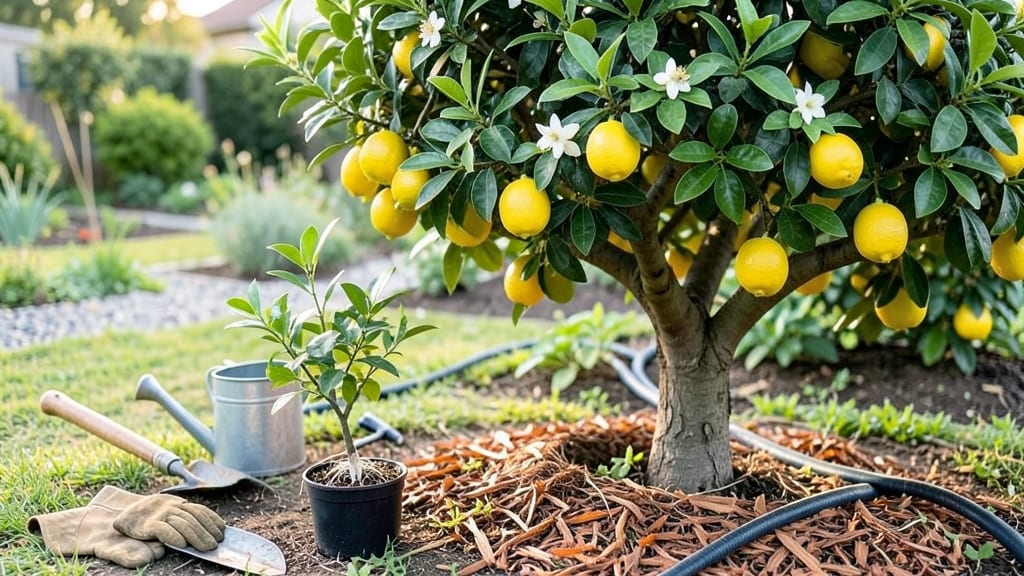
Optimal planting windows for citrus trees in Arizona’s USDA Zone 10b
Arizona’s USDA Zone 10b climate—with its 365 frost-free days—makes it ideal for growing citrus year-round. However, the best planting windows focus on avoiding extreme heat and monsoon moisture, which can stress young trees.
The safest times are during the cool, dormant season, when trees establish roots without competing with summer’s intensity.
Citrus trees thrive when planted between November and March, aligning with Arizona’s cooler temperatures (50–75°F). This period allows roots to acclimate before summer’s heat while avoiding the June–September monsoon season, which can cause fungal diseases in newly planted trees.
Early spring (February–March) is also viable, but late fall (November–December) is often preferred for stronger root establishment before the next growing season.
Timing matters because citrus trees are semi-tropical and sensitive to transplant shock. Planting in summer (June–August) exposes roots to 100°F+ soil temperatures, which can kill young trees before they take hold.
Even early spring (April–May) requires caution—young trees may struggle with rapid temperature swings and limited soil moisture as summer approaches.
Here’s a breakdown of the ideal planting months for Arizona’s citrus varieties like Meyer lemons, Valencia oranges, and Ruby Red grapefruits, tailored to Arizona’s microclimates:
| Planting Window | Temperature Range | Soil Moisture | Root Establishment Risk |
|---|---|---|---|
| November–December | 50–70°F | Moderate (cool, moist) | Low (ideal for root growth) |
| January–February | 55–75°F | Low (dry but cool) | Low (roots harden before heat) |
| March (early) | 60–80°F | Moderate (spring rains) | Medium (watch for heat spikes) |
| AVOID: April–October (high heat/fungal risk) | |||
For container-grown citrus trees, the same rules apply, but you’ll need to adjust watering frequency to prevent root rot in small pots. Containers dry out faster in Arizona’s desert heat, so monitor soil moisture closely during summer months, even if you planted in the optimal window.
Pro tip: If you must plant in late spring (April–May), choose a dwarf variety like the Improved Meyer Lemon, which establishes roots faster and tolerates heat better than standard-sized trees. Always mulch heavily (3–4 inches of organic mulch) to retain moisture and regulate soil temperature.
Citrus trees planted in fall or early winter will reward you with faster fruit production the following year. For example, a Meyer lemon tree planted in November may bear fruit as early as 18–24 months later, compared to 24–36 months for a tree planted in summer.
The key is giving your tree the cool-season head start it needs to thrive in Arizona’s intense summers.
One common mistake is assuming all of Arizona is the same. While Phoenix and Tucson share similar USDA Zone 10b classifications, high-desert areas (e.g., Flagstaff outskirts) have cooler nights and may benefit from planting 4–6 weeks earlier to avoid late-spring frost pockets.
Always check your local microclimate—even a 10°F temperature difference can impact root growth.
Finally, pair your planting timing with proper soil prep: Arizona’s alkaline soils (pH 7.5–8.5) need amendment with sulfur or peat moss to reach the ideal pH of 6.0–7.0 for citrus. This adjustment, combined with well-draining soil, ensures your tree’s roots thrive from day one.
Critical mistakes to avoid when planting citrus in Arizona’s extreme climate
Arizona’s desert heat and intense sun create unique challenges for citrus growers. Planting at the wrong time or ignoring local conditions can lead to transplant shock, root rot, or even tree death. Let’s break down the costly mistakes to avoid and how to fix them.
First, never plant during monsoon season (June–September). The sudden downpours and flash floods can drown young roots, while the scorching afternoons bake soil moisture. Even drought-tolerant citrus trees struggle to establish roots in these conditions. Instead, wait for the cooler, drier months of late fall or early spring.
Ignoring soil pH is another silent killer. Citrus trees thrive in slightly acidic to neutral soil (pH 6.0–7.0). Arizona’s native alkaline soils (pH 7.5+) can lock out essential nutrients like iron and zinc, causing yellowing leaves (chlorosis). Test your soil before planting and amend with sulfur or peat moss if needed.
Avoid planting during Arizona’s monsoon season (June–September) – sudden downpours and extreme heat stress young citrus roots, leading to transplant shock or fungal diseases.
Fix: Wait for cooler months (November–March) when soil stays consistently moist without flooding risk.
Overlooking wind exposure in open desert areas can also damage citrus trees. Strong afternoon winds dry out leaves and break branches, especially on tall varieties like Navel Oranges.
If planting in exposed areas, use a windbreak (e.g., bamboo screen or shrubs) or choose dwarf varieties (Meyer Lemon, Calamondin) that handle wind better.
Another common error is overwatering after planting. While citrus trees need consistent moisture, Arizona’s clay-heavy soils can suffocate roots if waterlogged. Instead, water deeply but infrequently (every 7–10 days), focusing on the root zone. Use a drip irrigation system to deliver water slowly and evenly.
Finally, skipping mulch in the first year can lead to soil temperature swings and weed competition. Apply a 3–4 inch layer of organic mulch (straw or wood chips) around the base of your tree to retain moisture, regulate soil temperature, and suppress weeds.
Just keep mulch 6 inches away from the trunk to prevent rot.
By avoiding these critical mistakes, your citrus tree will have the best chance to thrive in Arizona’s harsh but rewarding climate. Stay vigilant, and your tree will reward you with years of fruit production! 🌱