
Plants
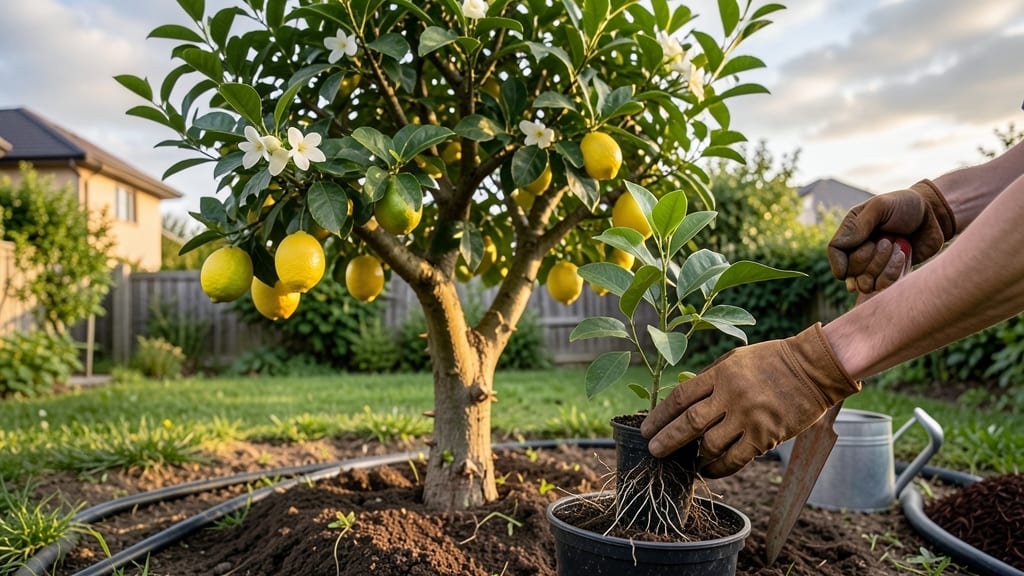
Planting your 🍋 lemon tree at the wrong time in California could mean the difference between a thriving citrus harvest and struggling roots that never take hold.
The best window isn't just about the calendar—it's about understanding how your local climate zone (whether coastal 9-10 or inland 9-11) affects soil warmth and frost risk.
Most gardeners in California assume they can plant year-round, but that's where mistakes happen. The ideal months actually depend on whether you're in frost-prone inland areas or the milder coastal regions.
I'll show you exactly when to plant for maximum root growth and fruit production, so you can avoid common pitfalls that waste time and money.
What if you missed the perfect window? Don't worry—I'll also cover smart alternatives for container planting and soil prep that work even when timing isn't perfect.
By the end, you'll know not just when to plant, but how to give your lemon tree the strongest start possible for years of harvests.
Ready to grow a lemon tree that thrives from day one? Let's dive into the science-backed planting schedule that actually works for California's diverse microclimates.
California’s best planting months by USDA zone for lemon tree success
California’s mild climate lets you plant lemon trees year-round, but timing still matters for strong root growth and fruit production. The ideal window depends on your USDA zone—coastal areas (zones 9-10) have fewer frost risks than inland zones (9-11).
For maximum success, aim for late winter to early spring or fall, when soil temperatures are perfect for root establishment.
In coastal California (e.g., San Diego, Santa Barbara), you can plant anytime thanks to frost-free winters. However, inland zones (e.g., Central Valley, Los Angeles foothills) benefit from fall planting to avoid summer heat stress.
Even in frost-free areas, soil temperature below 50°F can slow growth—so wait until the ground warms.
Here’s how to match your zone to the best planting months for healthy root development and fruit-bearing success:
| USDA Zone | Best Planting Months | Soil Temp Goal (°F) | Frost Risk | Notes |
|---|---|---|---|---|
| 9 (Coastal) | Year-round (best: Feb-May, Sep-Oct) | 55-65°F | None | Avoid summer planting in inland 9 zones |
| 10 (Coastal) | Year-round (best: Jan-Apr, Sep-Nov) | 60-70°F | None | Ideal for container growing |
| 11 (Inland) | Year-round (best: Nov-Feb, Sep-Oct) | 65-75°F | Rare (Dec-Feb) | Avoid summer heat stress |
For coastal gardeners, spring planting (February-May) gives roots time to establish before summer’s peak heat. Fall planting (September-October) is ideal for inland zones to avoid summer drought stress. Even in frost-free areas, soil temperature below 55°F can stunt growth—so always check before planting.
If you’re in USDA zone 9, prioritize fall planting to avoid summer’s intense heat, which can cause transplant shock. In zones 10-11, you have more flexibility, but spring planting still yields the fastest growth.
Always choose a rootstock variety suited to your microclimate—dwarf varieties like ‘Meyer’ thrive in containers, while standard trees need full sun and space.
Pro tip: Test soil temperature with a thermometer before planting—aim for 60°F+ for optimal root growth. In cooler inland zones, wait until March to avoid cold snaps. For container planting, timing matters less, but still plant when soil warms to 55°F+ for best results.
Once planted, mulch heavily to retain moisture and regulate soil temperature. In drought-prone inland areas, use drip irrigation to keep roots hydrated during California’s dry summers. With the right timing and care, your lemon tree will reward you with abundant harvests in just 2-3 years.
Remember: Lemon trees hate soggy roots, so always plant in well-draining soil with a slight slope for water runoff. Amend heavy clay soil with compost and sand to improve drainage—this is critical for preventing root rot in California’s varied climates.
🌱
Key climate factors that determine optimal lemon tree planting timing
California’s diverse microclimates—from frost-free coastal areas to inland valleys—mean your lemon tree’s ideal planting window depends on local conditions. Coastal regions like San Diego (USDA Zone 10) rarely see frost, while inland areas like Sacramento (Zone 9) may experience light freezes.
Understanding these climate factors helps you avoid transplant shock and ensure strong root growth.
Temperature is the biggest factor. Lemon trees thrive in soil temps above 60°F, but roots struggle to establish below 55°F. Coastal areas hit this mark by late winter, while inland zones may need to wait until spring.
Rainfall also plays a role—too much moisture can drown roots, while drought stress weakens young trees.
Here’s how coastal vs. inland climates affect your planting timing:
| Climate Factor | Coastal (Zones 9-10) | Inland (Zones 9-11) |
|---|---|---|
| Frost Risk | None (year-round planting) | Low (Dec-Feb) |
| Ideal Soil Temp | 60°F+ (Feb-Apr) | 60°F+ (Apr-May) |
| Rainfall Impact | Moderate (avoid waterlogged soil) | Low (drought stress risk) |
| Best Months | Jan-May or Sep-Nov | Mar-Jun or Sep-Oct |
Wind exposure is another critical factor, especially in coastal areas. Strong ocean breezes can dry out soil and stress young trees. If your garden is windy, plant near a windbreak like a fence or hedge, or choose a container-grown lemon tree for easier mobility.
Inland zones may face heat stress in summer, so planting in early fall gives roots time to establish before winter.
Container planting offers flexibility for off-season planting. If you miss the ideal window, a 5-gallon pot lets you move your lemon tree to a sheltered spot or indoors during extreme weather. Just ensure the container has drainage holes and use a well-draining citrus mix to prevent root rot.
Finally, soil pH matters—lemon trees prefer slightly acidic soil (6.0-7.0). Test your soil before planting and amend with sulfur or lime if needed. Coastal soils are often sandy and fast-draining, while inland soils may be clay-heavy, requiring organic matter like compost to improve structure.
By aligning your planting with local climate patterns, you’ll give your lemon tree the best chance to thrive—whether you’re in sunny San Diego or Central Valley heat. 🌱