
Trees
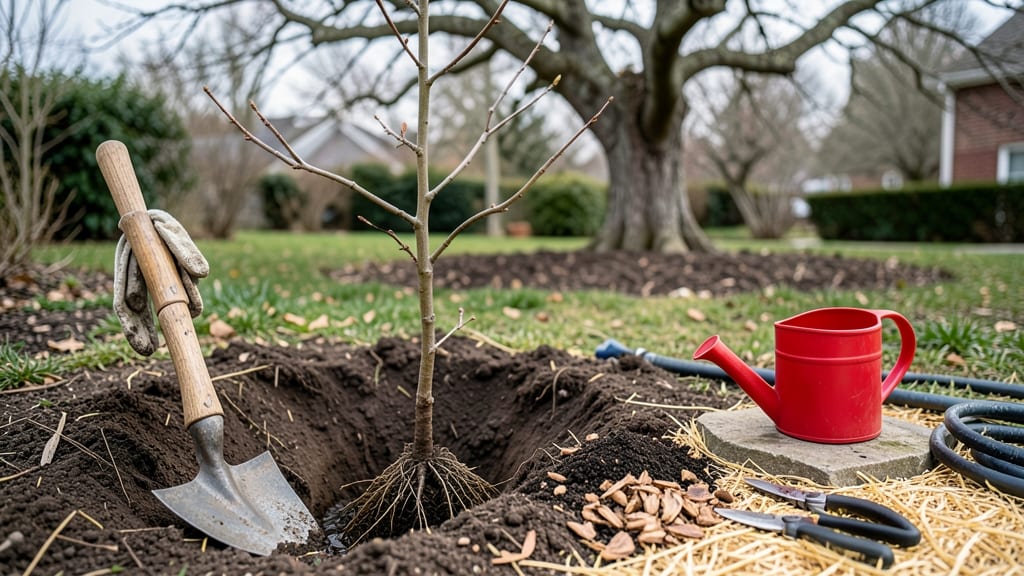
If you've ever wondered when to plant fruit trees in Massachusetts, timing isn't just important—it's the difference between a thriving orchard and a lost investment. Massachusetts gardeners know that planting too early risks frost damage, while waiting too long means roots won't establish before winter's chill sets in.
For the best results, focus on early spring when the soil is workable but before buds break. This window ensures your young trees have months to grow strong roots before the first frost.
Whether you're planting apples, pears, or stone fruits, understanding your USDA zone (5-7) helps you pinpoint the perfect moment.
I'll walk you through the exact months to plant based on your location, plus soil prep tips and variety recommendations tailored for Massachusetts' climate. With the right timing and care, your fruit trees will reward you with decades of harvests—starting as early as next summer.
Let's dive into the step-by-step guide so you can confidently plant and watch your orchard flourish. You'll learn how to choose cold-hardy varieties, protect young trees from winter, and give them the best start possible in New England's unique growing conditions.
Best planting months for fruit trees in Massachusetts by USDA Zone (5-7)
Massachusetts spans USDA Zones 5-7, creating subtle but critical differences in planting windows.
In Zone 5 (western MA), where winters are colder, fruit trees need earlier planting to avoid late frosts. Zone 6 (central MA) offers a slightly longer window, while Zone 7 (southeastern MA) allows planting up to 2 weeks later due to milder winters.
The key is planting when trees are dormant but soil is workable.
For bare-root trees (most common in MA), aim for late winter to early spring—typically February through April. Container-grown trees can be planted throughout spring until May, as long as soil temperatures stay above 40°F and frost risk is low. Timing ensures roots establish before summer heat stress.
Here’s how to align planting with Massachusetts’ climate zones for maximum success:
| Zone | Best Planting Window | Soil Temp | Frost Risk | Notes |
|---|---|---|---|---|
| Zone 5 (Western MA) | Late February–March | 40–50°F | High (late frosts) | Plant apple and pear trees early to avoid frost damage. |
| Zone 6 (Central MA) | March–April | 45–55°F | Moderate | Ideal for cherry and plum trees; avoid April 15+ if frost is forecasted. |
| Zone 7 (Southeastern MA) | April–early May | 50–60°F | Low | Best for stone fruits like peaches; extend window to May 10. |
In Zone 5, prioritize apple and pear varieties like Honeycrisp or Bartlett, which tolerate colder winters. Zone 7 gardeners can experiment with peaches or figs, though these need winter protection.
Always check the last frost date for your specific town—Boston’s Zone 6b averages April 15, while Springfield’s Zone 5a can see frost until May 1.
For container-grown trees, extend your window until May, but avoid planting after June 1. These trees adapt better to summer heat but still need 6–8 hours of sun daily.
If you miss the spring window, fall planting (September–October) is possible, but roots must establish before winter—this is riskier in Zone 5.
Pro tip: Use a soil thermometer to confirm temperatures. Roots need 45°F+ to grow actively. If soil is too cold, delay planting until conditions improve. Mulch heavily after planting to retain moisture and regulate soil temperature.
Never plant when the ground is frozen or waterlogged. Compacted soil restricts root growth, and frozen roots can’t absorb nutrients. In Zone 5, this means waiting until March 1 at the earliest.
For stone fruits like cherries, which bloom early, align planting with late dormancy (buds just starting to swell) to avoid spring frost damage.
Local nurseries like Wayne’s World of Trees (Zone 5) or Bartlett Tree Experts (Zone 6) stock trees pre-treated for Massachusetts’ climate. Ask for dwarf or semi-dwarf varieties—they establish faster and produce fruit sooner. Pair pollinator varieties (e.g., Honeycrisp + MacIntosh) to ensure fruit set.
After planting, water deeply once a week for the first month, then taper to every 2 weeks once established. In Zone 7, summer droughts can stress young trees, so monitor soil moisture closely. A 5-gallon watering can delivers enough for new roots.
🌱
How to choose the right variety for Massachusetts’ short growing season
Massachusetts’ cool climate and short growing season demand fruit tree varieties that thrive in USDA Zones 5-7. Picking the wrong type means poor yields or even tree death. Focus on cold-hardy varieties that ripen early or mid-season to beat fall frosts.
For apples, prioritize varieties like Honeycrisp or McIntosh, which handle -20°F temps and produce sweet fruit in 90-110 days. Pears like Bartlett also excel, maturing in 85-100 days and tolerating Zone 5 winters.
Stone fruits such as plums (e.g., Stanley) and cherries (e.g., Montmorency) need careful selection—opt for self-pollinating types or plant pairs to ensure fruit set. Peaches are trickier; stick to late-blooming varieties like Redhaven to avoid spring frost damage.
🌱 Top Fruit Tree Varieties for Massachusetts
- Apples: Honeycrisp, McIntosh, Cortland (Zone 5-7, 90-110 days)
- Pears: Bartlett, Anjou (Zone 5-6, 85-100 days)
- Plums: Stanley, Methley (Zone 5-7, 100-120 days)
- Cherries: Montmorency (sour), Stella (sweet) (Zone 5-6, 110-130 days)
Disease resistance is non-negotiable in Massachusetts. Fire blight and apple scab are common—choose varieties with natural resistance, like Liberty apples or Harvest Gold pears. Always buy from reputable nurseries that offer certified disease-free stock.
Consider dwarf or semi-dwarf trees if space is limited. They produce fruit faster (within 3-5 years) and are easier to manage. Just ensure they’re planted in well-draining soil with full sun exposure—critical for root health in MA’s rocky terrain.
Finally, check pollination needs. Some trees (like apples) require a second variety nearby for cross-pollination. Planting a pollinator pair guarantees fruit set, saving you from empty blooms. For example, pair Honeycrisp with Cortland.
With the right variety, your Massachusetts orchard will thrive—delivering juicy fruit year after year, despite the chilly climate. 🍎🌳