
Planting
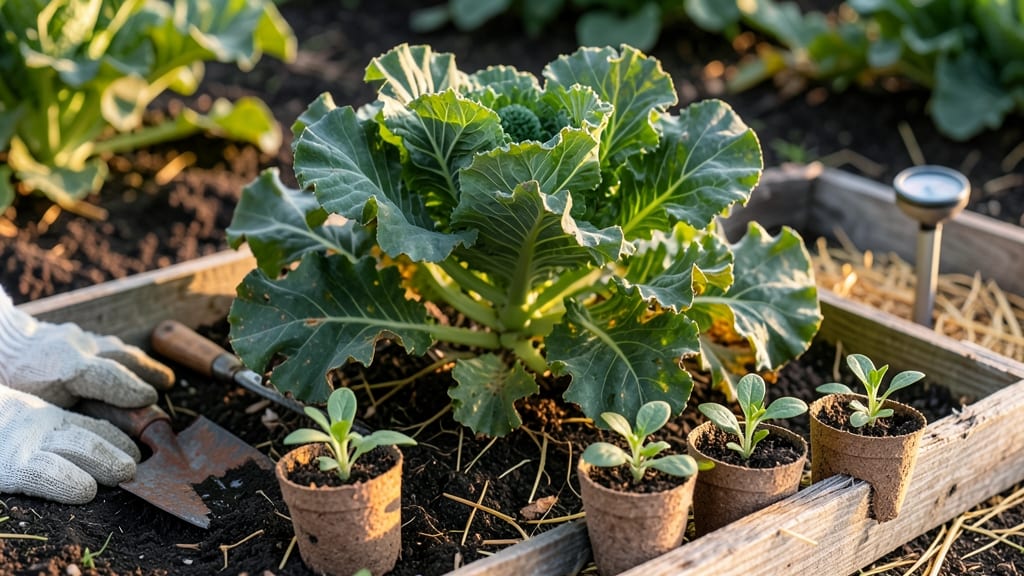
Timing when to plant a fall garden in South Texas isn’t just about avoiding frost—it's about beating the heat while it's still hanging on.
If you plant too early, your greens will bolt before you even taste them; too late, and you miss the sweet spot for maximum harvests before winter sets in.
I’ve learned the hard way that August through early October is your golden window—when soil temps finally dip below 85°F and days grow shorter, giving heat-tolerant crops like Malabar spinach and 'Heatmaster' okra the perfect head start.
But here’s the catch: South Texas’s unpredictable weather means you’ve got to work with the clock, not against it.
What if I told you there’s a zero-bolt strategy that lets you stretch harvests into December? We’ll break down the exact planting schedule for leafy greens, root veggies, and brassicas, plus the 3 pro tips to outsmart South Texas’s dry season and keep your garden thriving—even when the mercury drops.
Ready to turn your fall garden from a gamble into a guaranteed harvest? Let’s dive into the heat-tolerant varieties and timing tricks that’ll have your table stocked with fresh produce long after your neighbors’ gardens have given up.
South Texas fall planting timeline: avoid bolt risk with heat-tolerant varieties
South Texas gardeners face a unique challenge: scorching summer heat followed by unpredictable fall frost dates. The key to success? Planting heat-tolerant varieties during the 6-week window between late August and early October.
This timeline ensures your crops establish strong roots before temperatures dip, avoiding the dreaded bolt risk that turns tender greens into bitter, seed-filled stalks.
Unlike northern climates, South Texas’s USDA Zones 8b–9a allow for extended growing seasons—but only if you time it right. The average first frost hovers around December 10, but heat-loving crops like okra and sweet potatoes need 90+ days to mature.
Miss the window, and you’ll end up with stunted plants or wasted seeds.
Here’s the critical breakdown of when to plant each crop type, based on temperature thresholds and days to maturity. Use this as your roadmap to a zero-bolt, high-yield fall garden.
| Crop Type | Planting Window | Ideal Soil Temp | Days to Maturity | Bolt Risk |
|---|---|---|---|---|
| Leafy Greens (Lettuce, Spinach, Kale) | Late August–Early September | 65–75°F | 30–50 days | High (choose bolt-resistant varieties) |
| Root Vegetables (Carrots, Beets, Radishes) | Mid-August–Late September | 70–80°F | 40–70 days | Low (heat-tolerant varieties) |
| Brassicas (Broccoli, Cabbage, Cauliflower) | Early September–Mid-October | 60–70°F | 60–90 days | Moderate (transplant seedlings) |
| Heat-Lovers (Okra, Sweet Potatoes, Peppers) | Late July–Early August | 80–90°F | 90–120 days | None (thrive in heat) |
| Herbs (Basil, Cilantro, Dill) | Late August–September | 65–75°F | 30–60 days | Moderate (cilantro bolts fast) |
Pro tip: Direct-sow seeds instead of transplanting when possible—this gives your plants a head start on root development. For example, okra seeds germinate best in 85°F+ soil, so get them in the ground by mid-July to avoid stunted growth.
Meanwhile, lettuce seedlings should be transplanted by late August to mature before temperatures drop below 50°F.
Watch for soil temperature shifts—use a soil thermometer to confirm conditions. If temps dip below 60°F at night, cover seedlings with row fabric to protect them. This is especially critical for brassicas, which can develop bitter flavors if exposed to cold snaps too soon.
Don’t overlook succession planting for fast growers like radishes or bush beans. Sow new batches every 2–3 weeks from August through October to ensure a steady harvest. This tactic maximizes your garden space and extends your harvest window well into November.
For USDA Zone 9a gardeners (e.g., Corpus Christi, Brownsville), push the envelope by planting heat-tolerant greens like Malabar spinach or 'Black Seeded Simpson' lettuce as early as mid-July. These varieties can handle 95°F+ temperatures without bolting, giving you a head start on
Top 5 heat-tolerant fall crops for South Texas gardens (ranked by yield)
South Texas’s fall garden thrives when you pick heat-tolerant varieties that won’t bolt or wilt in lingering summer heat. These top 5 crops are battle-tested for USDA Zones 8b–9a, delivering high yields even when temps hover near 90°F.
Start with these bolt-resistant powerhouses to maximize your harvest before December’s rare frosts.
First on the list is Malabar spinach—a 95°F-tolerant green that stays crisp under the South Texas sun. Its vining habit makes it perfect for trellises, and it bolts less than traditional spinach.
Plant seeds directly in soil from mid-August to early September for 60–90-day harvests that stretch into November.
Next, 'Black Seeded Simpson' lettuce tops charts for bolt resistance and heat tolerance. This loose-leaf variety handles 85°F+ days better than romaine, and its dark green leaves pack nutrient density.
Transplant 4–6-week-old starts in late August for harvests every 30–40 days—just avoid midday watering to prevent fungal risks.
For fruiting crops, 'Heatmaster' okra is a must-grow. This drought-resistant variety thrives in full sun and poor soil, producing pods even when temps hit 100°F. Direct-sow seeds July–August for harvests in 50–60 days, and pick pods young (3–4 inches) to encourage continuous production.
Don’t overlook 'Texas Purple' sweet potatoes—a local favorite bred for South Texas heat. These drought-tolerant tubers mature in 90–120 days when planted late July–early August. Their purple-fleshed roots store well and resist scab, making them a low-maintenance staple.
Finally, 'Red Malabar' mustard greens deliver peppery flavor without bolting. These fast-growing greens (ready in 30–40 days) handle 90°F+ days and dry spells better than arugula. Direct-sow seeds August–September for cut-and-come-again harvests until frost.
To beat the heat, time your transplants for late August—this gives roots 6–8 weeks to establish before cooling trends arrive. Drip irrigation at dawn (not dusk) prevents fungal diseases, while shade cloth (30%) over young seedlings buys extra heat protection.
With these top 5 crops, your South Texas fall garden will outperform neighbors’ wilted lettuce—guaranteed!