
Planting
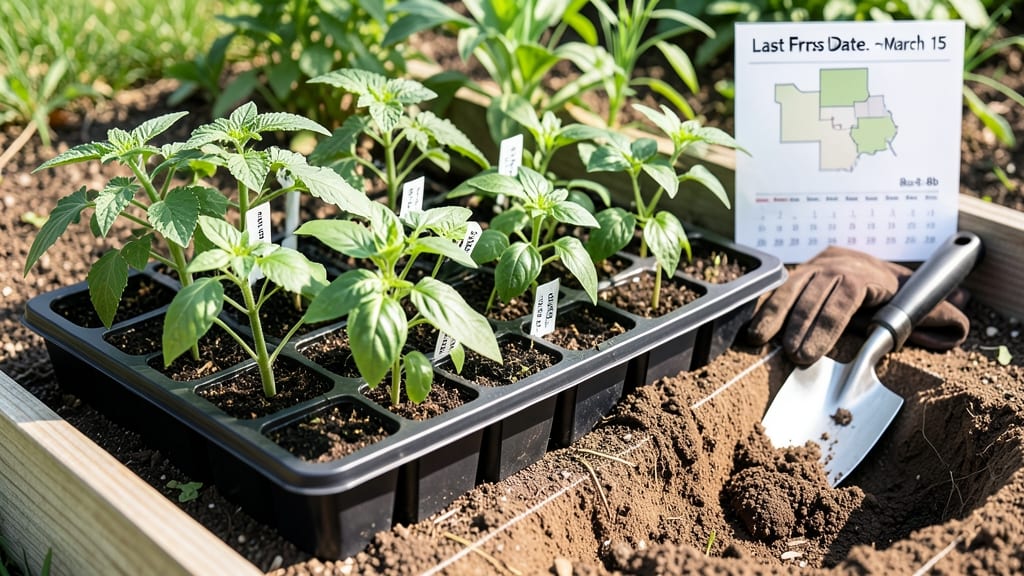
South Carolina planting calendar: coastal vs inland frost-free zones explained
South Carolina’s USDA hardiness zones 7b-8a create a unique gardening challenge: coastal areas have milder winters, while inland regions experience colder nights. This means your last frost date can vary by 2-4 weeks depending on location.
For example, Charleston typically sees its last frost by March 15, while Columbia holds off until March 30. Understanding these differences is key to avoiding frost damage and maximizing your harvest.
Heat-loving crops like okra, sweet potatoes, and tomatoes thrive in SC’s long growing season, but planting them too early—even by a few weeks—can stunt their growth.
The average frost-free period spans 210-240 days, giving gardeners plenty of time to grow two full seasons (spring and fall) plus summer crops. However, microclimates near rivers or hills can shift these windows by 10-14 days, so always check local records.
Here’s how to align your planting schedule with SC’s coastal vs inland frost-free zones:
| Region | Last Frost Date | First Frost Date | Ideal Spring Planting Window | Fall Planting Window |
|---|---|---|---|---|
| Coastal (Charleston, Beaufort) | Mid-March (Mar 15) | Late November (Nov 20) | Feb 15 – Apr 15 | Aug 1 – Sep 15 |
| Piedmont (Columbia, Greenville) | Late March (Mar 30) | Early November (Nov 10) | Mar 1 – Apr 30 | Jul 15 – Sep 1 |
| Upstate (Spartanburg, Greer) | Early April (Apr 5) | Mid-October (Oct 15) | Apr 1 – May 15 | Jul 1 – Aug 15 |
For coastal gardeners, the earlier frost-free dates mean you can start warm-season crops like peppers and eggplants as early as February 20 under row covers. Inland gardeners should wait until March 15 to avoid late spring frosts.
A simple trick? Plant fast-maturing varieties (like bush beans) first to test soil warmth before committing to longer-season crops.
Soil temperature is just as critical as air temperature. Use a soil thermometer to confirm 60°F+ for warm-season crops. Inland areas often need 2-3 weeks longer to reach this threshold. If your soil is still cool, opt for cool-season crops like kale or spinach to bridge the gap.
These thrive in 50-65°F soil and can be planted 4-6 weeks before your last frost date.
Don’t forget about hurricane season, which runs from June 1 to November 30. Planting heat-tolerant crops like southern peas or okra in July-August gives them time to mature before storms arrive.
For fall crops, prioritize fast-growing varieties (e.g., radishes, lettuce) to harvest before first frost.
Pro tip: Use mulch to regulate soil temperature. A 3-inch layer of straw can keep roots 5-10°F warmer in spring and 5°F cooler in summer. This extends your planting windows by 1-2 weeks at both ends of the season.
Pair this with drip irrigation to maintain consistent moisture, especially during SC’s humid summers.
For container gardening, coastal areas can start herbs like basil indoors by February 1 and transplant outdoors by March 1. Inland gardeners should delay until March 15 to avoid chilly night temperatures.
Containers warm up faster than garden beds, so monitor soil temps closely—55°F is the minimum for most herbs.
Finally, track your local frost dates using SC’s Climate Hub or Almanac.com. Even a 10-day shift can mean the difference between a bountiful harvest and a wasted season. Adjust your schedule yearly, as climate patterns shift—especially with coastal sea-level rise influencing microclimates.
Zero-frost risk crops: what to plant when in SC’s warmest months
South Carolina’s summer heat (June–August) isn’t just for heat-loving crops—it’s the prime window for zero-frost-risk plants like okra, sweet potatoes, and southern peas. These varieties thrive when nighttime temps stay above 60°F, so timing your transplants to align with soil temperatures of 65°F+ is key.
Miss this window, and you’ll risk bolting (premature flowering) or stunted growth.
For coastal gardeners, humidity and salt spray can stress plants, so prioritize drought-tolerant varieties like black-eyed Susans or malabar spinach. Inland gardeners, meanwhile, can push the envelope with peppers and eggplants, which need consistent warmth to set fruit.
Both regions should avoid planting heat-sensitive greens (like lettuce) after Memorial Day—they’ll bolt faster than a rabbit in a garden.
Succession planting is your secret weapon in SC’s short fall growing window. For example, sow bush beans every 2 weeks from June through August to stagger harvests. Pair this with drip irrigation to avoid fungal issues from overhead watering—especially critical in humid coastal zones where fungal spores thrive.
Pro tip: Morning watering (before 10 AM) reduces evaporation and gives plants a head start.
Don’t overlook perennials like asclepias (butterfly weed) or rosemary, which can be planted in late summer (August–September) to establish roots before winter. These thrive in SC’s USDA Zones 7b–8a and reward you with low-maintenance blooms year after year.
Just amend sandy coastal soil with compost to improve water retention—otherwise, these plants will struggle like a fish out of water.
For container gardening, opt for compact varieties like ‘Tiny Tim’ tomatoes or ‘Patio’ okra. These can be transplanted into pots throughout summer, giving you flexibility if your in-ground soil is too hot.
Just ensure containers have drainage holes and use lightweight potting mix to prevent root rot—a common pitfall in SC’s clay-heavy soils.
Timing isn’t just about months—it’s about heat units. Use a soil thermometer to confirm 65°F+ before planting heat lovers. Coastal gardeners can push transplants 2–3 weeks later than inland areas due to moderating ocean breezes.
Either way, late August is your cutoff for fall crops—after that, days shorten, and temps drop too fast for most veggies to mature.