
Planting
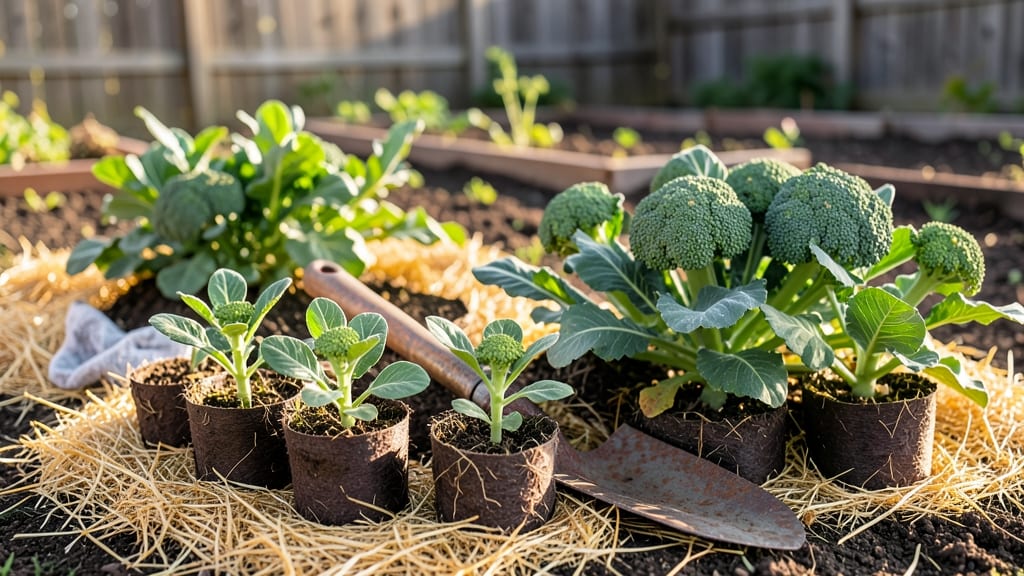
If you’ve ever stared at your North Texas soil wondering "when to plant a fall garden" and panicked about missing the perfect window, you’re not alone.
The difference between a thriving harvest and a frost-killed disappointment often comes down to timing—and knowing exactly 6-8 weeks before your first frost is the key.
Here’s the truth: planting too early means your greens bolt in the summer heat, while waiting too long risks a short season before that dreaded first freeze.
For North Texas gardeners, where average frost dates hover between October 25 and November 15, the ideal planting window is a 3-step process that balances heat tolerance and cool-season growth.
I’ve tested these strategies in my own garden, and the results speak for themselves: broccoli heads the size of softballs, crisp lettuce that lasts weeks, and herbs so flavorful they make store-bought taste like cardboard.
The secret? Starting seeds indoors 8-10 weeks out and transplanting hardy crops like kale and carrots just 4-6 weeks before frost.
Ready to transform your backyard into a fall harvest goldmine? Let’s break down the exact schedule, crop-by-crop, so you can beat the heat, outsmart the frost, and enjoy a garden that keeps giving—even when your neighbors are already dreaming of winter soups.
North Texas fall planting timeline: weeks before first frost by crop type
North Texas’ average first frost arrives between October 25–November 15, but your planting schedule depends on the crop. Cool-season vegetables like broccoli and spinach need 60–90 days to mature, while radishes can be ready in just 25 days.
The key is timing your plantings so harvests happen before hard frosts damage tender leaves. Start with heat-tolerant varieties like swiss chard or kale, which handle mild autumn warmth better than delicate lettuce.
For most of North Texas (USDA Zones 7b–8a), aim to plant cool-season crops 8–12 weeks before the first frost. This means sowing seeds or transplanting seedlings between mid-August and early October.
However, heat-loving crops like tomatoes and peppers should be planted as early as late February–March to mature before summer’s peak heat. The trick is balancing soil temperatures (ideal: 60–75°F) with daylight hours, which shorten in fall.
Soil temperature is your best guide—use a soil thermometer to confirm it’s below 80°F before planting cool-season crops. In North Texas, this usually happens by mid-September, but it can vary yearly. For example, lettuce and spinach thrive in 50–65°F soil, while broccoli prefers 60–70°F. Planting too early in hot soil stresses seedlings, stunting growth and delaying harvests.
| Crop Type | Planting Window | Days to Maturity | Soil Temp (°F) | Notes |
|---|---|---|---|---|
| Leafy Greens (Lettuce, Spinach, Kale) | 8–10 weeks before frost (Aug–Sept) | 30–60 days | 50–65°F | Bolt-resistant varieties preferred |
| Root Vegetables (Carrots, Radishes, Beets) | 6–8 weeks before frost (Sept) | 25–50 days | 55–70°F | Loose, well-drained soil required |
| Brassicas (Broccoli, Cabbage, Cauliflower) | 10–12 weeks before frost (Aug) | 60–90 days | 60–70°F | Transplant seedlings for faster growth |
| Herbs (Cilantro, Parsley, Dill) | 6–8 weeks before frost (Sept) | 40–60 days | 55–75°F | Direct-sow seeds for best results |
| Flowers (Pansies, Snapdragons, Calendula) | 8–10 weeks before frost (Aug–Sept) | 45–70 days | 50–65°F | Deadhead spent blooms for longer displays |
If you’re new to fall gardening in North Texas, start with fast-growing crops like radishes or bush beans to test your timing. These give you quick feedback—if they’re ready in 30 days, you’ll know you’re on track for other crops.
For longer-season varieties, like broccoli or cabbage, begin planting in late August to ensure harvests before November 15. Pro tip: Succession plant every
How to adjust your planting schedule for unpredictable North Texas weather
North Texas weather can be as unpredictable as a summer storm—one week you’re battling 90°F soil, the next you’re scrambling to cover plants before 32°F frost. The key to success? Flexibility.
I’ve learned to adjust my planting schedule based on soil temperatures, weather forecasts, and even my neighbor’s old-timer gardening advice. Start by checking soil temps with a simple thermometer; most fall crops thrive when soil is between 50°F and 75°F.
If it’s warmer, wait a week or two to avoid bolting.
Another trick I swear by is the "10-day rule": If your local forecast predicts unseasonably warm weather for the next 10 days, go ahead and plant heat-tolerant crops like kale or Swiss chard early.
But if frost is forecasted within 10 days of planting, opt for faster growers like radishes or spinach instead.
Texas A&M AgriLife Extension recommends using a frost calendar for your specific county—mine shows October 25th as the average first frost date, but I’ve seen it arrive as early as October 10th or as late as November 10th.
🌱 3 Pro Tips for Adjusting Your Schedule
- 📅 Use a frost date calculator for your exact ZIP code (not just the county average). Websites like Almanac.com provide localized data.
- 🌡️ Plant in stages: Sow a portion of seeds every 2 weeks to ensure a continuous harvest, even if weather delays some crops.
- 🛡️ Have row covers ready: Lightweight frost blankets can extend your growing season by 2-4 weeks.
For late starters, I’ve had success with succession planting. Instead of planting everything at once, I’ll sow half my lettuce seeds in early September and the other half in mid-October. This way, if the first batch bolts from heat, the second batch still has time to mature before frost.
Another lifesaver? Cold frames or cloches—they’re like mini greenhouses that protect tender plants from unexpected cold snaps. I use them for baby greens and herbs like cilantro, which can’t handle even a light frost.
Don’t forget about microclimates in your garden. A south-facing bed stays warmer longer than a north-facing one, so I always plant heat-sensitive crops like broccoli or cabbage in the southernmost part of my yard.
If you’re unsure where your microclimates are, drop water-filled plastic bottles in different spots at dusk—the ones that stay cooler overnight are your frost-prone zones. I’ve saved entire rows of carrots by moving them to a warmer microclimate just days before the forecasted frost.
Finally, keep a gardening journal to track what works (and what doesn’t) in your specific yard. Note the exact dates you plant, when you harvest, and any weather anomalies.
Last year, a sudden cold front in early November caught me off guard, but because I’d documented my spinach’s growth rate, I knew exactly when to replant for a second harvest. Over time, you’ll spot patterns—like how 2022’s early frost always hits after a dry September—and adjust accordingly.
The more you garden in North Texas, the more you’ll trust your instincts over the calendar.
With these adjustments, you’ll turn North Texas’ unpredictable weather into an advantage. Your fall garden will be hardier, more productive, and way less stressful. And hey, if all else fails, there’s always greenhouse gardening—but that’s a topic for another day! 🌱