
Plants
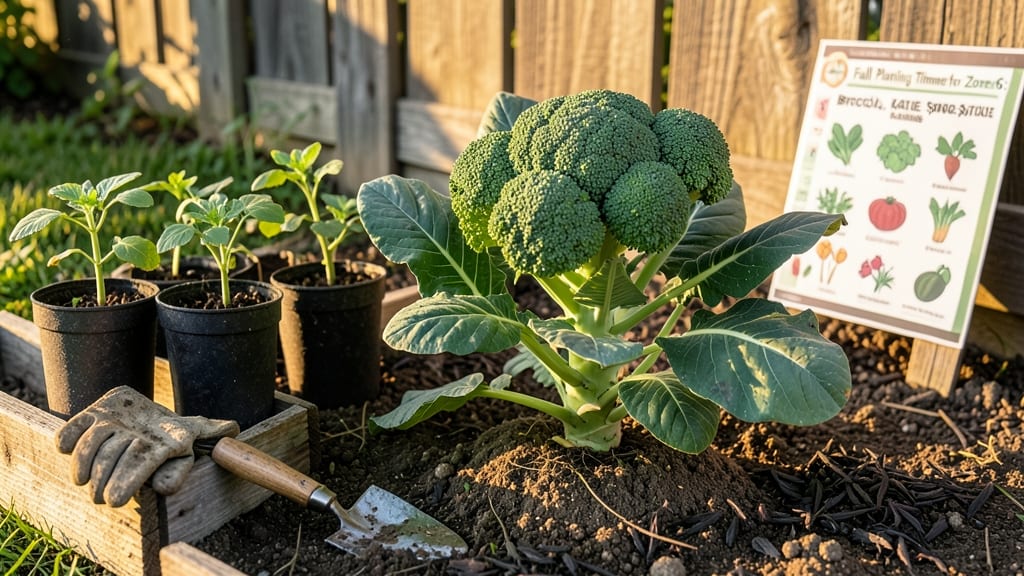
Knowing when to plant fall crops in Zone 6 can mean the difference between a thriving harvest and wasted effort—especially when frost sneaks up faster than you expect.
With mid-October marking your first frost, timing isn’t just important; it’s your secret weapon for a second chance at fresh produce before winter.
Fall gardening in Zone 6 isn’t about luck—it’s about strategy. Whether you’re sowing 🌱 kale that sweetens in the cold or carrots that stay crisp until December, planting 4-6 weeks before frost gives your crops just enough time to mature.
Skip the guesswork and learn the exact windows that work for your favorite leafy greens, root vegetables, and brassicas.
Here’s the game-changer: a precise planting schedule tailored to Zone 6’s unpredictable weather. We’ll cover how to adjust for early or late frosts, which crops handle cold best, and even how to stretch your harvest with simple row covers. No more second-guessing—just reliable results.
Ready to turn your garden into a fall feast? Let’s break down the steps so you can plant with confidence and enjoy homegrown goodness long after summer fades.
Zone 6 fall planting calendar: exact weeks before first frost by crop type
Fall gardening in Zone 6 thrives on precision—your first frost date (typically mid-October) is the anchor for timing. Plant too early, and heat-loving crops like bush beans bolt; too late, and kale or spinach won’t mature before frost.
Aim to sow 4–6 weeks before frost for most cool-season crops, adjusting for your specific microclimate.
In Zone 6, late summer (around August 1–15) is ideal for starting slow-growing crops like carrots or cabbage. Fast growers such as radishes or lettuce can wait until September 1–15. Use this calendar as your guide to avoid common mistakes like planting frost-sensitive crops too late.
🌱 Did You Know? A 2-week window separates success from failure in Zone 6 fall gardens. For example, broccoli sown 6 weeks before frost yields 3x larger heads than plants started 4 weeks early.
| Crop Type | Planting Window (Weeks Before Frost) | Days to Harvest | Notes |
|---|---|---|---|
| Leafy Greens (Spinach, Kale, Lettuce) | 4–6 weeks | 30–50 days | Cold-hardy; sow late August–mid-September. |
| Root Vegetables (Carrots, Beets, Radishes) | 6–8 weeks | 45–70 days | Start early (late July–early August) for full maturity. |
| Brassicas (Broccoli, Cabbage, Brussels Sprouts) | 6–8 weeks | 60–90 days | Slow growers; use row covers to extend season. |
| Fast-Growing Greens (Radishes, Arugula) | 2–4 weeks | 20–35 days | Sow September–October for quick harvests before frost. |
| Green Onions, Peas, Bush Beans | 4–6 weeks (peas/beans) | 30–60 days | Beans need warmth; peas tolerate cooler temps. |
For Zone 6, prioritize slow-to-mature crops like cabbage or Brussels sprouts in late July–early August. These need 60–90 days to harvest, so planting too late risks frost damage. In contrast, radishes or arugula can handle last-minute sowings in September for a quick harvest.
Soil temperature matters just as much as air temperature. Test your soil—cool-season crops thrive in 45–75°F soil. If your soil is still warm (80°F+) in early August, delay planting or use shade cloth to protect seedlings from bolting.
Pro tip: Use succession planting for leafy greens like spinach. Sow a new batch every 2–3 weeks from mid-August to mid-September to ensure a continuous harvest. This strategy maximizes your fall garden’s productivity and minimizes wasted space.
Don’t overlook microclimates in your garden. South-facing beds warm up faster and may need 1–2 weeks earlier planting than north-facing areas. If your garden has partial shade, opt for shade-tolerant crops like leaf lettuce or Swiss chard.
Harvest timing is just as critical as planting. Most cool-season crops improve in flavor after a light frost (e.g., kale, spinach). However, root vegetables like carrots or beets should be pulled before the ground freezes.
Use row covers to protect tender crops and extend your harvest window by 2–3 weeks.
Plan for post-harvest tasks too. After pulling crops like lettuce or radishes
How to adjust planting dates for early vs. late first frost years in Zone 6
Zone 6’s first frost date can swing by 1-2 weeks from year to year, throwing off even the best-laid planting plans. If you’ve ever stared at your garden in late September wondering whether to plant those baby carrots or wait, you’re not alone. The key is flexibility—knowing how to shift your timeline based on weather patterns and using cold-hardy varieties to hedge your bets. Let’s break down how to adapt your fall planting schedule when Mother Nature throws curveballs. A 2-week shift in frost date might not sound like much, but for crops like spinach or kale, it can mean the difference between a thriving harvest and a sad, wilted mess. Start by checking your local USDA frost maps or ask long-time gardeners in your area for their observations. If your area tends toward early frosts, prioritize fast-maturing varieties and plant closer to the last possible date. Conversely, if late frosts are more common, you’ve got a little more wiggle room for slower growers.For example, if your average first frost is October 15 but the year before it hit October 5, shift your broccoli and cabbage planting back by 10 days. Use succession planting for shorter-season crops like radishes—sow a new batch every 2 weeks to stagger harvests.
This way, even if frost comes early, you’ll still get some greens before winter sets in. Think of it like insurance for your garden: a few extra plants now mean a harvest later, no matter what the weather brings.
Another trick is to plant heat-tolerant varieties that can handle a little extra warmth before cooler temps arrive. Malabar spinach or Swiss chard are great choices—they’ll keep growing even when other greens bolt.
Pair these with row covers or cold frames to buy yourself an extra 2-3 weeks of growing time. Just
If you’re dealing with a late frost year, focus on slow-to-mature crops like leeks or brussels sprouts, which can handle cooler temps and even a light frost. These plants often sweeten after frost, making them a delicious reward for your patience.
For frost-sensitive crops like lettuce or peas, use black plastic mulch to warm the soil and give them a head start. It’s like giving your plants a cozy blanket to grow under until the air cools down.
Pro tip: Keep a gardening journal to track your frost dates and planting adjustments year after year. Note which crops thrived and which ones struggled, and tweak your schedule accordingly. Over time, you’ll develop a customized planting calendar that works for your specific microclimate.
For instance, if your garden sits in a frost pocket (a low area where cold air settles), you might need to plant 1-2 weeks earlier than your neighbors to avoid early frost damage.
Don’t forget about soil temperature—it’s just as critical as air temperature. Use a soil thermometer to ensure your soil is 45-55°F before planting cool-season crops. If the ground is still too warm, your seeds might rot or sprout unevenly.
In early frost years, consider starting seeds indoors 4-6 weeks before your target outdoor planting date to give them a jumpstart. This is especially useful for head lettuce or cauliflower, which take longer to mature.
Finally, embrace the art of the “just in case” plantlast-minute crop like spinach or radishes, which you can direct-sow even in early October if the weather cooperates.
These quick growers can be a lifeline when your other plans go awry. With a little flexibility and these strategies, you’ll turn Zone 6’s unpredictable frost dates into an advantage—not a setback.
🌱 5 Ways to Adjust for Frost Date Shifts
- Check local frost trends: Use USDA maps or ask neighbors to spot early/late frost patterns.
- Prioritize fast growers: For early frosts, choose radishes (25 days) or baby carrots (60 days).
- Succession plant: Sow every 2 weeks for staggered harvests of greens like spinach.
- Use row covers: Extend season by 2-3 weeks for crops like kale or lettuce.
- Monitor soil temp: Wait until soil hits 45-55°F for cool-season crops.
By fine-tuning your approach, you’ll turn Zone 6’s unpredictable frost dates into an opportunity for a longer, more reliable harvest.
Whether you’re dealing with an early chill or a late hang of summer, these adjustments will help you make the most of your fall garden—no matter what the weather brings.