
Plants
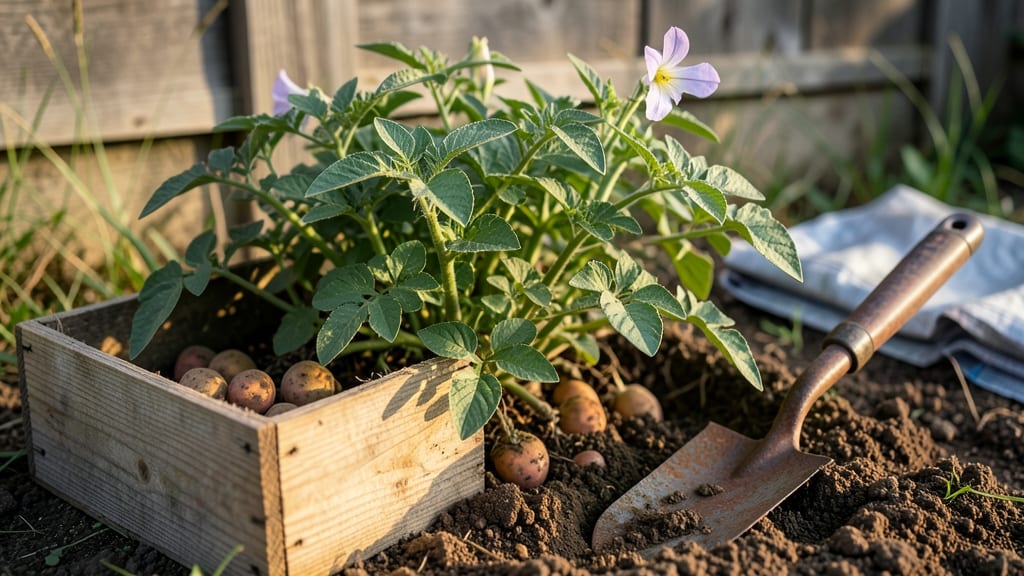
Knowing when to plant fall potatoes in Arkansas can mean the difference between a thriving harvest and a wasted effort. With Arkansas’s 7a-8a climate, timing is everything—especially when you’re working with heat-tolerant varieties that need just the right conditions to thrive.
If you’ve ever planted too early and watched your potatoes struggle in the heat, or too late and missed the window before frost, you know how frustrating it can be.
The key is planting 4-6 weeks before the first frost, typically between late August and early September, when soil temperatures are just right for growth.
In this guide, I’ll break down the exact planting windows for your region, the best varieties to choose, and how to prepare your soil for a successful harvest.
Whether you’re a seasoned gardener or just starting out, these tips will help you grow bigger, healthier potatoes that are ready to harvest before winter sets in.
Let’s dive into the details so you can enjoy a bountiful harvest of homegrown 🥔 come fall—without the guesswork.
Best planting windows for fall potatoes in Arkansas by region
Arkansas’s diverse climate means your fall potato planting window depends on where you garden. North Arkansas’s cooler USDA Zone 6b has a shorter growing season, while South Arkansas’s Zone 8a stays warmer longer.
Central Arkansas falls in between, with Zone 7a offering a balanced window. For all regions, aim to plant 4-6 weeks before your first frost date to ensure tubers mature before winter sets in.
In North Arkansas, where frost often arrives by November 1-15, your planting window is tight: mid-August to early September. Choose early-maturing varieties like 'Yukon Gold' (90 days) to avoid frost damage.
In Central Arkansas, with frost typically hitting November 15-30, you can plant from late July to mid-September, giving you flexibility for both early and late varieties.
For South Arkansas, where frost may not arrive until December 1-15, you can stretch your window to late July through October.
This extended season lets you try heat-tolerant varieties like 'Red LaSoda' or even experiment with two small plantings—one in July and another in September—for a staggered harvest.
Regardless of region, soil temperature is your best guide. Potatoes thrive when soil reaches 50–60°F. Use a soil thermometer to confirm readiness—planting too early in warm soil can stress seedlings, while waiting too long risks frost before harvest.
Here’s a quick rule of thumb: Count backward from your average first frost date. Add 90 days (for most varieties) to find your last planting date. For example, if frost hits November 15, plant by August 15 in North Arkansas or September 15 in South Arkansas.
🌱
| Region | USDA Zone | Planting Window | First Frost Date | Top Varieties |
|---|---|---|---|---|
| North Arkansas | 6b | Mid-August to early September | November 1-15 | Yukon Gold, Kennebec |
| Central Arkansas | 7a | Late July to mid-September | November 15-30 | Red LaSoda, Kennebec |
| South Arkansas | 8a | Late July to October | December 1-15 | Red LaSoda, Purple Viking |
Pro tip: If you’re in Central or South Arkansas, consider hilling soil around potato plants in late September to insulate tubers as temperatures drop. This simple trick can extend your harvest by 2-3 weeks before frost.
For container gardening, adjust your timeline slightly. Pots warm up faster, so plant 2 weeks earlier than in-ground to avoid heat stress. Use black plastic pots to absorb sunlight and maintain soil warmth.
Remember, Arkansas’s weather is unpredictable. Monitor local forecasts and adjust your planting date if unseasonable heat or early rain delays your schedule. A flexible approach ensures you’re ready to harvest before winter arrives.
🌿
How to calculate your exact planting date using Arkansas’s frost data
Arkansas’s USDA Zones 6b-7a mean frost dates vary dramatically—sometimes by weeks—between North and South Arkansas. To avoid heat stress or early frost damage, you’ll need to pinpoint your exact planting window using three key factors: soil temperature, historical frost data, and local weather trends.
Start by checking your county’s average first frost date (typically November 15 for most of Arkansas).
Potatoes need 90-120 days to mature, so count backward from your frost date. For example, if frost hits November 15, plant 4-6 weeks before (early to mid-September) to ensure a harvest before hard freezes.
Use the National Weather Service or Arkansas Cooperative Extension Service for your county’s precise frost history.
Soil temperature is equally critical. Potatoes thrive in 50–60°F soil. Use a soil thermometer to test depth—wait until soil warms to 55°F before planting. In Arkansas, this usually aligns with late August to early September, but cooler North Arkansas may need to wait until mid-September.
Local weather patterns add another layer. Check if your area has unpredictable cold snaps (common in North Arkansas) or prolonged warmth (South Arkansas). For example, Fort Smith may need earlier planting, while Little Rock can stretch the window slightly later. Use a 3-year frost average to account for variability.
Finally, adjust for your potato variety. Heat-tolerant types like Red LaSoda can handle slightly later planting, while Yukon Gold may need an earlier start. Always plant seed potatoes (not grocery store potatoes) for the best success rate.
By combining frost data, soil temperature, and variety needs, you’ll land on the perfect 2-week window for your Arkansas location—guaranteeing a bountiful fall harvest before winter sets in. 🌱