
Plants
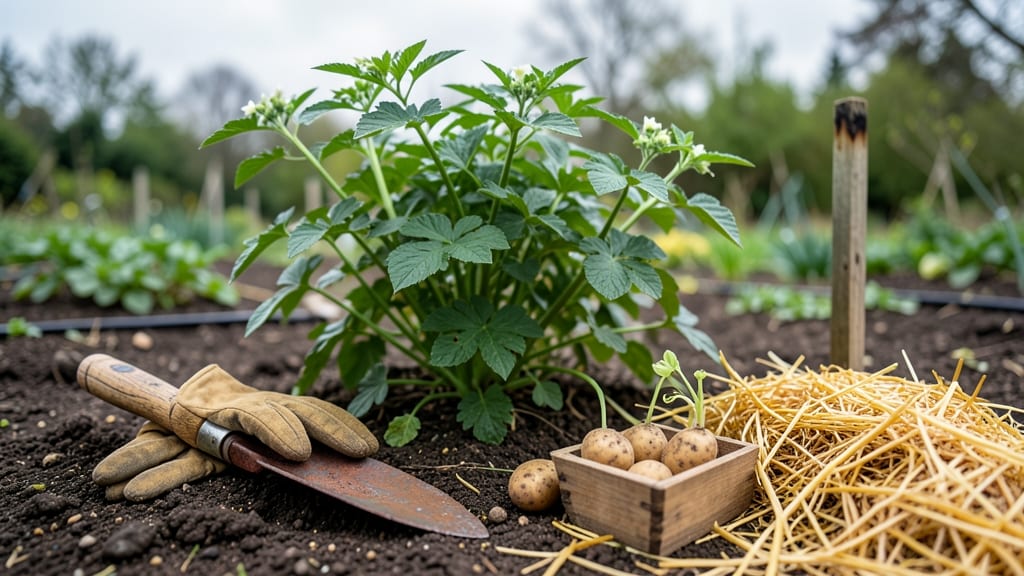
Zone 8 fall potato planting timeline: soil temperature & frost dates
Timing your fall potato planting in Zone 8 hinges on two critical factors: soil temperature and frost dates. Unlike spring potatoes, fall potatoes must mature before winter frost—typically by mid-December in most of Zone 8.
The ideal window is 4–6 weeks before your first frost, but soil conditions can shift that timeline by 2–3 weeks.
For Zone 8, aim to plant between mid-August and early September. This gives most fast-maturing varieties (70–90 days to harvest) enough time to bulk up before cold weather arrives.
However, coastal areas may extend planting into late September due to milder winters, while inland regions should plant by mid-August to avoid heat stress.
Here’s the golden rule: Potatoes thrive in soil between 55–65°F. If your soil is above 70°F, delay planting until temperatures drop—otherwise, your seed potatoes will sprout too quickly and rot in the heat. Use a soil thermometer to check depths of 4–6 inches, where roots will form.
Zone 8’s microclimates complicate timing. For example, San Diego (Zone 8b) might see frost in January, while Las Vegas (Zone 8a) could freeze by November. Always check your local frost date averages—the USDA Plant Hardiness Zone Map is a great starting point, but neighborhood variations matter more.
| Stage | Action | Ideal Timeframe (Zone 8) |
|---|---|---|
| Soil Prep | Loosen soil, add compost, test pH (5.0–6.5) | July–early August |
| Seed Potato Cutting | Cut certified seeds 2–3 weeks before planting | Late July–early August |
| Planting | Plant 4–6 weeks before first frost | Mid-August–early September |
| Hilling | Mound soil every 2–3 weeks | August–October |
| Harvest | Dig when foliage dies back | November–January |
To calculate your exact planting date, start with your average first frost date (check Almanac.com for your city). Subtract 90 days for most varieties, then adjust based on soil temperature.
For example, if frost hits December 15, plant by September 5. But if your soil stays above 70°F until mid-September, delay until early October to avoid heat stress.
Pro tip: Coastal Zone 8 gardens can push planting later due to milder winters. If you’re near the ocean, test your soil’s chilling tolerance—some varieties like Red Pontiac handle 40°F nights better than others. Always mulch heavily with straw to insulate tubers if frost threatens early.
One common mistake? Planting too deep. Seed potatoes need 3–4 inches of soil cover initially, but roots will grow downward. If your soil is sandy or rocky, add 2–3 inches of compost to improve moisture retention—critical for fall potatoes, which face drier late-summer soil.
Finally, monitor your potato plant’s progress with a growth journal. Note when flowers appear (usually 30–40 days after planting) and when tubers start forming. In Zone 8, you’ll likely see rapid growth in September as temperatures drop—don’t miss the harvest window!
With the right timing, your Zone 8 fall potatoes will thrive—yielding firm, flavorful tubers even in cooler weather. Next up: choosing the best frost-tolerant varieties for your microclimate. 🥔
Zone 8 fall potato planting timeline: soil temperature & frost dates
Timing your fall potato planting in Zone 8 hinges on two critical factors: soil temperature and frost dates. Potatoes thrive in soil between 55–65°F, and you’ll need 90–120 days to harvest before the first frost—typically around December 15 in most of Zone 8.
Start counting back from your local frost date to determine your planting window.
For example, if your first frost arrives on December 15, aim to plant 8–12 weeks before that—so between mid-October and early November. However, Zone 8’s microclimates (coastal areas vs. inland deserts) can shift this by 2–4 weeks, so always check your local frost data.
Zone 8 Fall Potato Planting Summary
| Stage | Action | Key Details |
|---|---|---|
| Soil Prep | Test soil temp | Ideal: 55–65°F (use soil thermometer) |
| Planting Window | Start planting | 8–12 weeks before first frost (typically late August–early September) |
| Harvest Readiness | Check foliage | Yellowing leaves + 90–120 days after planting |
| Frost Buffer | Protect tubers | Use straw mulch if frost arrives early |
Use a soil thermometer to confirm readiness—potatoes won’t sprout in cold soil.
If your soil runs warmer than 65°F (common in late summer), wait until temperatures drop naturally or shade the planting area temporarily. Coastal Zone 8 areas (like San Diego) may have milder microclimates, allowing slightly later plantings, while inland regions (like Phoenix) should plant earlier to avoid heat stress.
Pro tip: Plant two successive crops in Zone 8—one in late August (for early fall harvest) and another in mid-September (for late fall). This extends your harvest window and reduces risk if one batch fails. Just ensure the second planting has enough time to mature before frost.
Don’t forget to account for daylength. Potatoes in shorter fall days grow slower, so prioritize fast-maturing varieties (like Red Norland or Yukon Gold) to compensate.
If your local frost date is earlier than average, err on the side of earlier planting—better to harvest small potatoes than lose the crop entirely.
Finally, monitor your garden’s microclimate. Low-lying areas or shaded spots may frost earlier, while south-facing beds stay warmer. Use row covers or black plastic mulch to extend the season if needed. With the right timing, you’ll enjoy homegrown potatoes straight through winter!